
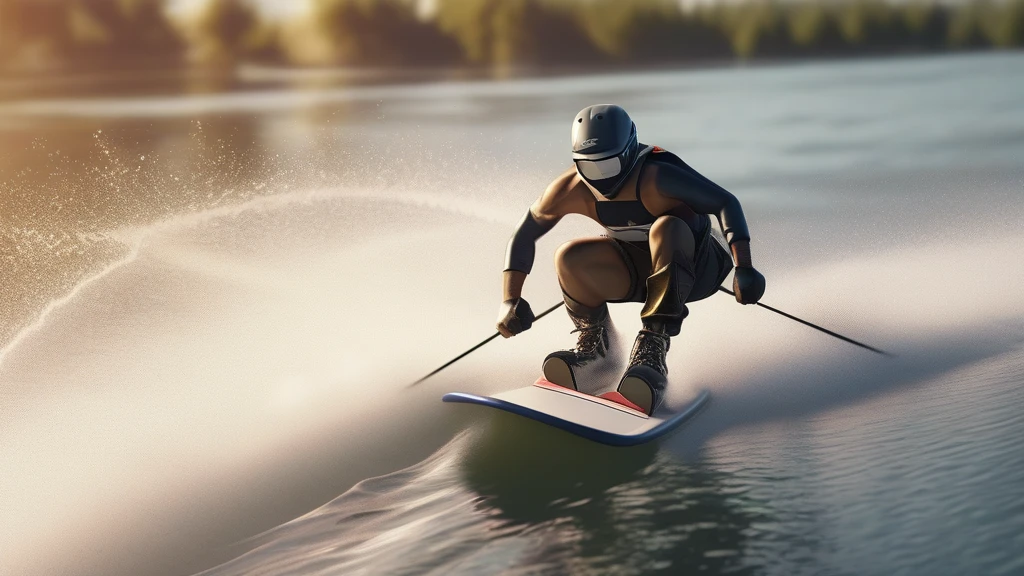
Wakeboarding has surged in popularity as a thrilling water sport that combines the excitement of surfing, snowboarding, and water skiing. Whether you’re a beginner looking to cruise across the water with confidence, an intermediate rider honing freestyle tricks, or a seasoned pro pushing the limits of competition, understanding the features and technologies behind wakeboards is essential. This guide dives deep into the key characteristics of wakeboards, explaining what each feature means and why it matters to help you make an informed choice.
Materials and Construction: Balancing Weight, Durability, and Eco-Impact
Core Materials: Wood, Fiberglass, and Carbon Fiber
The core of a wakeboard is fundamental to its performance, weight, and durability. Most wakeboards feature cores made from wood, fiberglass composites, or carbon fiber:
-
Wood Cores: Traditionally, wakeboards have used laminated wood cores such as paulownia or maple. Wood offers natural flex, responsiveness, and durability. Its organic structure provides a lively pop off wakes and a smooth ride. However, wood cores tend to be heavier and require more maintenance to prevent water damage.
-
Fiberglass Composites: Fiberglass layers are often combined with wood cores or foam to create a lightweight yet strong board. Fiberglass adds rigidity and resistance to impacts, making the board durable for aggressive riding and tricks. Boards with fiberglass tend to offer a balanced flex pattern, suitable across skill levels.
-
Carbon Fiber: High-performance and competition-level wakeboards frequently incorporate carbon fiber layers. Carbon fiber is extremely lightweight and stiff, providing explosive pop and precise control. While more expensive, carbon fiber boards excel in responsiveness and energy transfer, ideal for advanced riders seeking maximum performance.
Sustainability Considerations
An increasing number of manufacturers integrate eco-friendly materials and processes, such as bio-resins, recycled fibers, and sustainably sourced wood cores. Some wakeboards are designed to be recyclable or biodegradable, reflecting a growing commitment to environmental stewardship within the wakeboarding community.
Rocker Profiles: The Key to Ride Feel and Performance
The rocker describes the curvature of the wakeboard’s base from tip to tail. It significantly influences speed, stability, and how the board reacts when hitting wakes or performing tricks.
Continuous Rocker
- Description: Smooth, consistent curve from tip to tail.
- Performance: Offers predictable and fast rides, with smooth carving and easier edge control.
- Best For: Beginners and intermediate riders who value speed and stability over abrupt pop.
3-Stage Rocker
- Description: Flat in the middle with sharp angles at the tip and tail.
- Performance: Provides explosive pop off the wake, making it easier to launch into jumps and aerial tricks.
- Best For: Freestyle riders and advanced athletes focusing on high-flying maneuvers.
Hybrid Rocker
- Description: Combines elements of continuous and 3-stage rockers.
- Performance: Balances smooth carving with good pop, offering versatility for various riding styles.
- Best For: Intermediate riders progressing into freestyle, or anyone seeking an all-around board.
High Rocker
- Description: Pronounced curvature with a more aggressive arc.
- Performance: Slower but highly maneuverable; great for tight turns and cable park riding.
- Best For: Cable park riders or those favoring technical tricks over speed.
Fin Configurations: Control, Speed, and Stability
Fins attached to the bottom of wakeboards help with tracking and control. Their number, size, and placement dramatically affect how the board rides.
No-Fin Designs
- Purpose: Designed primarily for cable park wakeboarding.
- Effect: Allows for easier sliding and spinning on rails and obstacles, reducing drag.
- Best For: Park riders who prioritize tricks on features over straight-line stability.
Single Fin
- Purpose: Traditional setup for smooth tracking.
- Effect: Provides directional stability but less maneuverability.
- Best For: Beginners or riders who prefer cruising and carving.
Twin or Quad Fin Setups
- Purpose: Multiple fins increase grip and control, especially during aggressive turns and landings.
- Effect: Offers enhanced edge hold and precise maneuverability.
- Best For: Advanced riders and competitive athletes performing complex tricks.
Many wakeboards come with adjustable fin systems or removable fin kits, enabling riders to customize their setup for different conditions and styles.
Safety Features: Protecting You on the Water
Wakeboarding demands equipment that prioritizes rider safety without compromising performance. Key safety-related features include:
- Reinforced Edges and Rails: Protect the board’s structure from impacts and wear, preventing damage during landings or rail slides.
- Ergonomic Bindings: Provide secure foot placement with adjustable straps or quick-release mechanisms, ensuring comfort and easy exit in emergencies.
- Marine Safety Certifications: Look for boards that meet ISO, CE, or TÜV standards, indicating adherence to safety and quality benchmarks.
- Impact Protection: Some boards incorporate impact-absorbing layers or pads to reduce injury risk during falls.
Choosing the Right Wakeboard for Your Skill Level and Discipline
Beginners: Stability and Confidence
If you’re new to wakeboarding, look for boards with:
- Continuous rocker profiles for smooth handling.
- Larger sizes offering more surface area and balance.
- Softer flex for forgiving landings.
- Twin or single fin setups to aid tracking without overwhelming control.
- User-friendly bindings with easy adjustments.
Intermediate Riders: Progression and Versatility
As you advance, consider boards that offer:
- Hybrid rockers blending speed and pop.
- Adjustable fin configurations to experiment with control.
- Medium flex cores combining responsiveness and durability.
- Features suited for freestyle, such as progressive tips and durable edges.
Advanced and Competitive Riders: Performance and Precision
Top-level wakeboards often include:
- Carbon fiber cores or carbon-fiber reinforced laminates for lightweight stiffness.
- Aggressive 3-stage or high rocker profiles tailored for explosive tricks.
- Quad fin systems for maximum edge hold.
- Customizable setups to optimize for boat or cable park conditions.
Additional Considerations: Maintenance, Travel, and Storage
Caring for Your Wakeboard
Proper maintenance extends your board’s life:
- Rinse with fresh water after use to remove salt, chlorine, or dirt.
- Store in a cool, dry place away from direct sunlight to prevent warping.
- Regularly inspect bindings and fins for wear or damage.
- Use protective rails or carry bags during transport to avoid scratches.
Travel-Friendly Features
For riders on the go, lightweight boards constructed with carbon fiber or composite blends are easier to carry. Many wakeboards come with padded carry bags featuring compartments for fins and accessories, making transport and storage convenient.
Conclusion: Making Informed Wakeboard Choices
Understanding wakeboard features—from core materials and rocker profiles to fin setups and safety certifications—is key to selecting a board that fits your skill level, riding style, and goals. Whether you prioritize durability and eco-conscious materials, explosive performance, or ease of use, the right wakeboard enhances your experience on the water. By matching technical specifications with your personal preferences and riding environment, you can confidently enjoy the thrill of wakeboarding while progressing safely and effectively.