
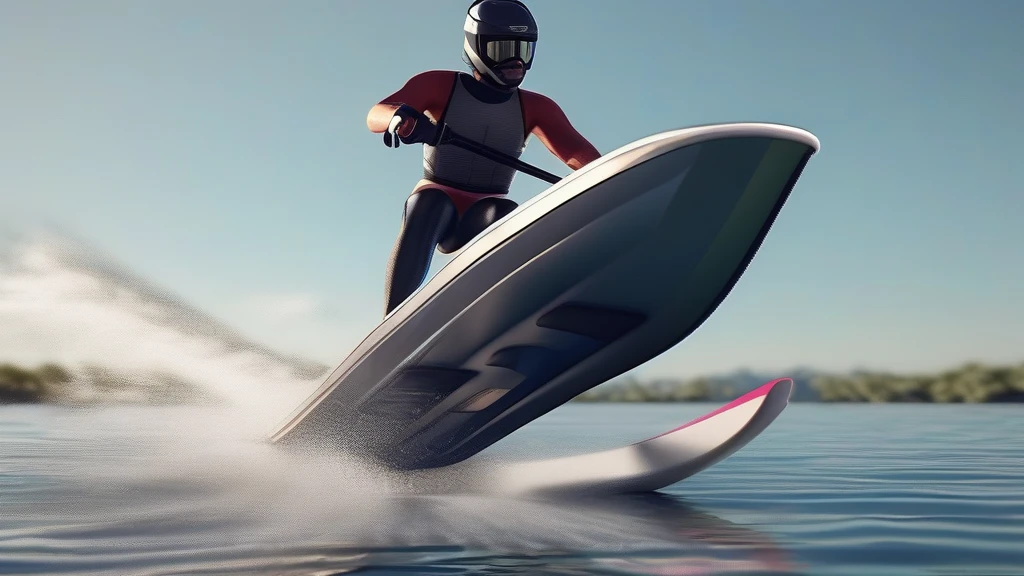
Water skiing is an exhilarating sport that combines skill, balance, and speed on the water. Whether you are a beginner learning the ropes, an enthusiast seeking recreational fun, or a competitive athlete aiming for peak performance, understanding the features and technologies of water skis is essential. This knowledge empowers you to select the right equipment, optimize your experience, and ensure safety on the water.
In this article, we take a deep dive into the key features, materials, and design elements that define modern water skis. We’ll explain what each characteristic means, why it matters, and how it impacts your skiing performance and enjoyment.
Types of Water Skis and Their Core Features
Water skis are purpose-built to cater to different skill levels and activities. The principal types include beginner recreational skis, freestyle skis, slalom and speed skis, and show skis. Here’s how their features differ:
Beginner Recreational Skis: Stability and Ease of Use
For those just starting out or seeking relaxed cruising, recreational skis prioritize stability, control, and comfort. Key features include:
- Wider and longer ski bodies: This increases surface area, improving buoyancy and making it easier to balance.
- Soft, adjustable bindings: Designed for comfort and to accommodate various foot sizes, with quick-release mechanisms to enhance safety.
- Durable fiberglass construction: Fiberglass offers a balance of flexibility and strength, absorbing shocks for a smoother ride.
- Anti-slip top surfaces: Ensure secure footing for novices learning to stand and maneuver.
- Lightweight polyurethane cores: Help reduce overall ski weight without sacrificing durability.
These skis often come with detachable fins that beginners can adjust or remove to customize stability and turning response.
Freestyle Skis: Agility and Trick Performance
Freestyle skiing demands agility and responsiveness to perform jumps, spins, and tricks. Features that matter include:
- Shorter, compact design: Facilitates quick, sharp turns and aerial maneuvers.
- Carbon fiber and Kevlar reinforcements: These materials dramatically increase strength and reduce weight, allowing greater control and durability during high-impact landings.
- Flexible ski bodies: Provide the springiness needed for tricks and bouncing off wake.
- Ergonomic bindings with adjustable boots: Offer a snug fit for precise control while maintaining comfort.
- Detachable fins with various sizes: Enable skiers to fine-tune stability versus maneuverability.
These skis often incorporate eco-friendly manufacturing techniques, reflecting a growing commitment to environmental responsibility in water sports.
Slalom and Speed Skis: Precision and Performance
Designed for racing or advanced slalom courses, these skis focus on speed, control, and sharp edging:
- Narrow, elongated shapes: Minimize drag and allow cutting tight turns around buoys.
- High-strength carbon fiber and aluminum reinforcements: Ensure rigidity and responsiveness at high speeds.
- Polyurethane cores: Maintain stiffness while absorbing vibrations.
- Advanced fin configurations: Multiple adjustable fins or fin sets help tailor grip and tracking on various water conditions.
- ISO, CE, and TÜV certified safety features: Include quick-release bindings and ergonomic footbeds to protect athletes during high-speed falls.
These skis are typically lightweight for easy handling and transport, with many models featuring foldable designs and included carry bags.
Show Skis: Versatility and Visibility
Used in team performances and entertainment, show skis blend stability and flair:
- Wider, stable platforms: Support multiple skiers on a single ski for synchronized moves.
- Bright colors and polished finishes: Enhance visual appeal during performances.
- Robust fiberglass and polyurethane construction: Withstand rigorous use and provide a reliable foundation.
- Adjustable bindings accommodating various foot sizes: Facilitate quick changes between skiers.
- Smooth, rounded edges and anti-slip surfaces: Ensure safety with multiple performers on board.
These skis emphasize durability and comfort to support extended shows on the water.
Materials and Construction Technologies Explained
Modern water skis employ a variety of advanced materials and construction methods that directly impact performance, durability, and environmental sustainability.
Carbon Fiber and Kevlar: Strength Meets Lightness
- Carbon fiber is prized for its exceptional strength-to-weight ratio, providing rigidity without adding bulk. Skis reinforced with carbon fiber deliver increased responsiveness, especially valued in freestyle and slalom skis where precision is critical.
- Kevlar adds impact resistance and flexibility, absorbing shocks from landings and rough water. Its inclusion enhances the ski’s durability, particularly in freestyle designs.
Fiberglass: The Classic Durable Core
Fiberglass remains a staple due to its balance of flexibility, durability, and cost-effectiveness. It provides:
- Shock absorption for smoother rides
- Resistance to cracking and wear
- Lightweight construction when paired with polyurethane cores
Polyurethane Cores: Lightweight and Resilient
Polyurethane cores reduce weight while maintaining structural integrity. Their resilience to water and temperature changes prevents warping and extends ski life.
Aluminum Reinforcements: Rigidity and Stability
Aluminum inserts or frames improve torsional stiffness, essential for maintaining edge control at high speeds or during sharp turns.
Eco-Friendly Manufacturing
Many manufacturers now adopt sustainable practices such as using recycled materials, non-toxic resins, and energy-efficient production. This commitment reduces environmental impact and appeals to eco-conscious consumers.
Adjustable and Safety Features: Customization Meets Protection
Water skiing involves dynamic movements and variable water conditions. Adjustable features and safety certifications play a vital role in tailoring equipment and protecting users.
Adjustable Bindings and Boots
- Bindings with adjustable straps and detachable boots accommodate different foot sizes and preferences for tightness.
- Quick-release mechanisms allow skiers to detach quickly in emergencies, reducing injury risk.
- Ergonomic designs reduce foot fatigue for longer sessions.
Interchangeable Fins
- Detachable fins let skiers experiment with stability and responsiveness. Larger fins enhance tracking and balance, while smaller ones allow sharper turns.
- Some skis include multiple fin options for different water conditions.
Anti-Slip Surfaces and Smooth Edges
Textured footbeds and anti-slip coatings prevent accidental slips. Rounded edges minimize cuts or scrapes during falls.
Certifications and Testing
Look for skis certified by ISO, CE, TÜV, or recognized marine safety standards. These indicate rigorous testing for strength, safety, and reliability.
Portability and Maintenance: Keeping Your Skis Ready for Action
For skiers who travel or compete frequently, portability and ease of maintenance are important considerations.
Lightweight and Foldable Designs
- Many modern skis feature foldable or telescoping designs to fit into compact carry bags.
- Materials like carbon fiber reduce weight, easing transport without compromising performance.
Carry Bags and Repair Kits
- Quality ski bags protect equipment during transit and storage.
- Included repair kits with resin patches and tools enable quick fixes on the go, extending ski lifespan.
Maintenance Tips
- Rinse skis with fresh water after use to remove salt and debris.
- Inspect bindings and fins regularly for wear or damage.
- Store skis in cool, dry places away from direct sunlight.
- Follow manufacturer guidelines for repairs and component replacements.
Making the Right Choice: Matching Features to Your Goals
Choosing the perfect water skis depends on your skill level, intended use, and personal preferences.
- Beginners should prioritize stability, comfort, and safety features — look for wider recreational skis with adjustable bindings and anti-slip surfaces.
- Freestyle enthusiasts benefit from lightweight, flexible skis with carbon fiber reinforcements and versatile fins for tricks.
- Competitive slalom skiers need narrow skis with rigid construction and advanced fin setups for speed and precision.
- Show skiers require stable, durable platforms with easy binding adjustments for team performances.
Consider water conditions you typically ski in, your body weight, and the importance of portability when selecting features.
Conclusion
Understanding the features and technologies behind water skis unlocks a better appreciation of how design and materials impact your performance, safety, and enjoyment on the water. From durable fiberglass cores to cutting-edge carbon fiber reinforcements, adjustable bindings to eco-friendly manufacturing, each element plays a role in creating skis tailored to different skill levels and styles.
By evaluating these features thoughtfully, you can make informed decisions that enhance your water skiing experience, whether you’re mastering your first glide or competing at elite levels. Remember, the right equipment is not just about the latest technology but about matching your unique needs and goals on the water.