
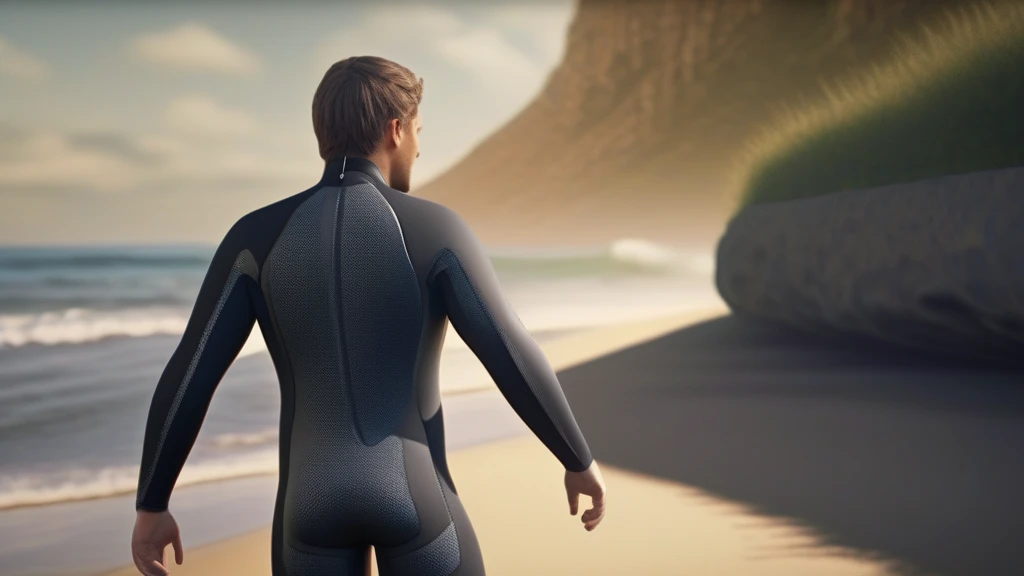
When it comes to enjoying boating and water sports, a wetsuit is often the essential piece of apparel that can make or break your experience. Whether you’re surfing, paddleboarding, kayaking, diving, or training for a triathlon, the right wetsuit enhances your safety, comfort, and performance in the water. However, with so many wetsuit options available, understanding the key features and technologies is crucial to making an informed choice.
This comprehensive guide delves deep into wetsuit features — from materials and thermal insulation to ergonomic design and sustainability — explaining what each means and why it truly matters for your aquatic adventures.
The Core Material: Eco-Friendly Neoprene Technologies
Limestone Neoprene vs. Traditional Neoprene
Modern wetsuits increasingly use limestone neoprene instead of traditional petroleum-based neoprene. Limestone neoprene is derived from natural limestone, offering several advantages:
- Environmental sustainability: It involves a lower carbon footprint and is more biodegradable.
- Enhanced flexibility: Limestone neoprene often provides better multi-directional stretch for unrestricted movement.
- Improved durability: Resistant to wear and tear, which extends the wetsuit’s lifespan.
Some wetsuits also incorporate recyclable neoprene or add biodegradable coatings, further reducing environmental impact. For environmentally conscious users, selecting wetsuits with these materials supports ocean conservation efforts and responsible manufacturing.
Why Material Matters
Material choice affects warmth, flexibility, and environmental impact. A wetsuit made from eco-friendly neoprene allows you to perform at your best while minimizing harm to marine ecosystems.
Thermal Insulation Thickness: Balancing Warmth and Mobility
Understanding Thickness Ranges (2mm to 7mm)
Wetsuit thickness is a critical factor in thermal regulation. Thickness ranges typically fall between:
- 2mm to 3mm: Ideal for warmer waters and high-activity sports like surfing or paddleboarding, where flexibility and mobility are paramount.
- 4mm to 5mm: Suited for moderate temperatures, offering a balance between warmth and flexibility.
- 6mm to 7mm: Designed for cold water diving or kayaking, providing maximum insulation but reduced flexibility.
Practical Advice for Choosing Thickness
- Consider water temperature: For waters above 70°F (21°C), 2-3mm wetsuits or shorty suits are sufficient.
- Activity intensity: High-movement sports benefit from thinner, stretchier suits; colder conditions or lower activity levels require thicker insulation.
- Layering options: Some wetsuits support layering with vests or rash guards for added warmth without sacrificing flexibility.
Seam Construction: Durability and Water Resistance
Blindstitched vs. Taped Seams
Seams are potential points for water ingress and wear. Two common seam types include:
- Blindstitched seams: The stitching does not fully penetrate the neoprene, reducing water seepage and enhancing warmth.
- Taped seams: Seams are sealed with waterproof tape on the inside, adding durability and preventing chafing.
High-quality wetsuits often combine both techniques to maximize comfort, durability, and insulation — essential for prolonged water exposure.
Ergonomic Paneling and Fit: Optimizing Performance and Comfort
Multi-Directional Stretch Fabrics
Wetsuits feature multi-directional stretch panels that allow freedom of movement in all directions. This is especially important in dynamic sports such as surfing and swimming.
Gender-Specific and Activity-Specific Designs
- Gender-specific fits: Women’s wetsuits often include contoured panels and adjusted cut lines for chest, hips, and torso length, ensuring a snug, comfortable fit.
- Activity-specific models: For example, shorty suits with short sleeves and legs are perfect for warm water surfing, while sleeveless wetsuits improve arm mobility for paddleboarding and triathlon swimming.
Well-designed ergonomic paneling reduces fatigue and enhances hydrodynamics, allowing you to perform at your peak.
Additional Functional Features
UV Resistance and Windproof Panels
Many wetsuits include UV-resistant coatings and windproof panels on the chest and back to protect you from sun exposure and wind chill during surface intervals.
Quick-Dry and Abrasion-Resistant Materials
Quick-drying fabrics improve comfort between sessions, while abrasion resistance prolongs the wetsuit’s life by protecting high-contact areas such as knees and elbows.
Safety Enhancements
- High-visibility panels: Bright colors or reflective elements increase visibility in open water, crucial for safety.
- Anti-slip surfaces: Help maintain grip on boards or boats.
- Emergency whistle attachments: Provide an added layer of safety in case of emergencies.
Sustainability and Environmental Impact
Modern wetsuit manufacturers emphasize sustainability through:
- Low carbon manufacturing processes: Minimizing greenhouse gas emissions during production.
- Use of recyclable materials: Enabling wetsuits to be repurposed or recycled at end-of-life.
- Biodegradable coatings and adhesives: Reducing long-term environmental pollution.
Choosing a wetsuit with these features supports responsible water sports practices and helps protect the ecosystems where you play.
Convenience and Maintenance Features
Lightweight and Travel-Friendly Designs
Many wetsuits prioritize portability by using lightweight neoprene and compact designs that fold easily for travel.
Warranty and Included Accessories
Wetsuits often come with warranties reflecting confidence in durability. Included accessories such as:
- Carry bags: Protect suits during transport.
- Repair patches: Allow quick fixes to small tears.
- Hangers: Preserve the wetsuit’s shape during drying and storage.
These extras contribute to long-term satisfaction and ease of maintenance.
Making an Informed Choice: Matching Features to Your Needs
When selecting a wetsuit, consider the following:
| Factor | Recommended Features | Example Use Cases |
|---|---|---|
| Water Temperature | Thickness 2–3mm for warm, 5–7mm for cold waters | Warm water surfing, cold water diving |
| Activity Type | Multi-directional stretch, ergonomic paneling | Surfing, triathlon, kayaking |
| User Experience | Durable seams, reinforced panels | Beginners needing durability, pros needing performance |
| Environmental Values | Limestone neoprene, recyclable materials | Eco-conscious consumers |
| Safety | High-visibility panels, emergency whistle | Open water swimming, kayaking |
| Convenience | Quick-dry fabric, lightweight design, repair kits | Frequent travelers, casual users |
Conclusion
Understanding wetsuit features empowers you to choose gear that truly fits your aquatic lifestyle. From eco-friendly limestone neoprene and precise thermal insulation to ergonomic paneling and built-in safety enhancements, each feature plays a vital role in performance and protection.
By carefully considering water temperature, activity type, fit, and sustainability, you can select a wetsuit that not only keeps you warm and agile but also aligns with your environmental values. Well-chosen wetsuits become trusted companions for every splash, paddle, and wave — ensuring your time on the water is safe, comfortable, and enjoyable.