
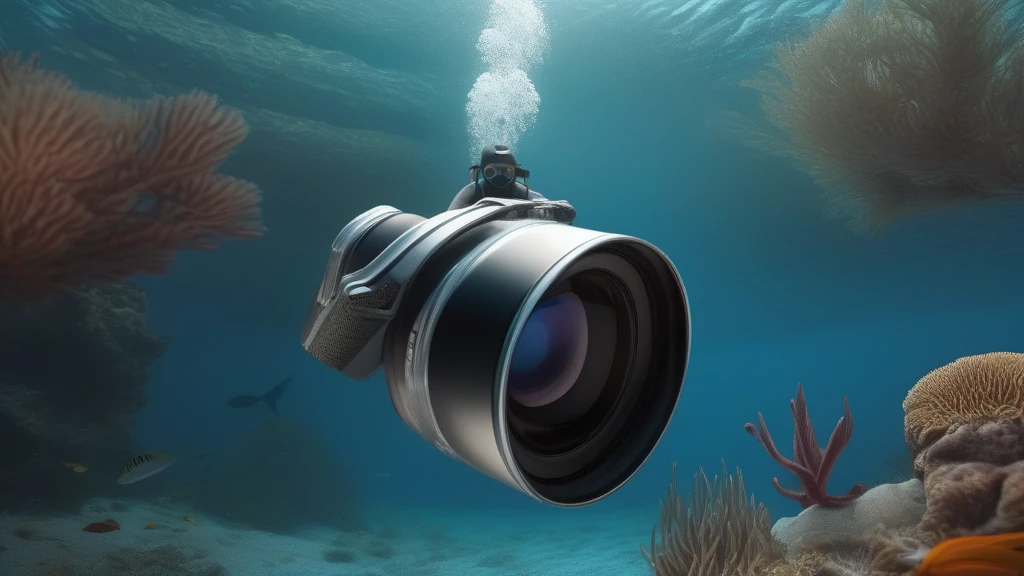
Underwater photography is a captivating pursuit that combines the art of capturing stunning marine life with the technical challenges of navigating aquatic environments. For photographers venturing beneath the waves, every movement counts. The right pair of diving fins can make a significant difference—not only in propulsion but also in stability and precise maneuvering. This article explores how specialized underwater photography fins contribute to better control and comfort, enabling photographers to focus on framing the perfect shot without compromising their underwater mobility.
Understanding the Unique Needs of Underwater Photographers
Underwater photographers face unique challenges compared to recreational divers or snorkelers. While propulsion is important, the ability to maintain a steady position, execute fine movements, and minimize disturbance to marine life is crucial. Unlike divers who prioritize speed or long-distance efficiency, photographers often require:
- Enhanced stability for steady shots.
- Precision maneuverability to adjust positioning without sudden kicks.
- Reduced fin-induced water turbulence to avoid startling fish or stirring sediment.
- Comfortable, ergonomic fit for extended shooting sessions.
- Durability and environmental sensitivity to withstand harsh marine environments and minimize ecological impact.
Selecting fins tailored for underwater photography can therefore elevate the quality of the dive and the images captured.
Key Features of Underwater Photography Fins
Blade Design for Controlled Propulsion
The blade design directly affects how force is delivered underwater. Photography fins commonly feature blade types that prioritize smooth, controlled propulsion over raw power:
- Split blades reduce drag by dividing the fin surface, allowing water to flow through channels. This results in quieter, less forceful kicks—ideal for delicate positioning.
- Vented blades include strategically placed holes or vents that lessen water resistance and turbulence, helping maintain stability during slow, precise movements.
- Flexible blades made of materials like thermoplastic rubber or silicone offer responsive feedback and subtle control, essential for micro-adjustments.
By contrast, paddle-style blades, designed for maximum thrust, might generate excessive water movement and are generally less favored for photography.
Ergonomic Foot Pockets and Adjustable Sizing
Comfort is paramount, especially during long underwater sessions. Photography fins often incorporate:
- Adjustable heel straps or quick-release buckles that allow users to fine-tune fit for both open-heel and closed-heel designs.
- Ergonomically molded foot pockets crafted from soft, abrasion-resistant materials like neoprene or silicone, reducing foot fatigue and preventing chafing.
- Stretchable straps or flexible construction that accommodate wetsuit booties or bare feet without compromising security.
A secure, customized fit enables photographers to maintain control and reduces the risk of fin slippage during critical moments.
Material Choices for Performance and Sustainability
Modern underwater photography fins balance performance with environmental responsibility:
- Carbon fiber and fiberglass composites deliver lightweight strength and responsive blade action, allowing precise movement with less effort.
- Eco-friendly thermoplastics and recyclable materials reduce ecological impact and often provide excellent durability and UV resistance.
- Abrasion-resistant coatings and weatherproof finishes protect fins from rough surfaces, coral contact, and exposure to saltwater.
Sustainable manufacturing practices and materials not only extend gear lifespan but also align with ethical diving principles.
Stability-Enhancing Technologies
To improve steadiness when hovering or composing shots, some fins integrate:
- Channel-thrust designs that direct water flow along specific paths for balanced propulsion.
- Anti-slip soles or pads for safe movement on slippery boat decks or docks.
- Compact or travel-friendly profiles that reduce bulk without sacrificing control, facilitating easier transport to remote dive locations.
These features contribute to a more confident underwater presence, enabling photographers to focus on their creative work.
Practical Tips for Choosing and Using Photography Fins
Match Blade Type to Your Shooting Style
- If you often work in tight reef environments or delicate ecosystems, opt for split or vented blades to minimize disturbance.
- For photographers who need to cover larger distances while still maintaining control, flexible composite blades strike a good balance.
- Avoid overly stiff or large paddle blades that can generate excessive thrust and cause instability.
Prioritize Fit and Adjustability
- Try fins with adjustable heel straps or stretchable foot pockets to ensure a snug, comfortable fit.
- Consider whether you dive with booties; open-heel fins with adjustable straps accommodate this better.
- Test fins in a pool or controlled environment to assess comfort before heading to open water.
Consider Environmental and Durability Factors
- Choose fins made from recyclable or low-impact materials to reduce your ecological footprint.
- Look for UV-resistant coatings and abrasion protection if you frequently dive in coral-rich or rocky areas.
- Properly rinse and store fins after each use to prolong their lifespan.
Travel and Maintenance
- If you travel to dive sites, compact or foldable fins with included travel bags can ease packing.
- Regularly check adjustable buckles and straps for wear and functionality.
- Use mild freshwater rinses and avoid prolonged exposure to direct sunlight when not in use.
Conclusion
Underwater photography demands a delicate balance of stability, maneuverability, and comfort—qualities that specialized fins are designed to provide. By understanding the key features that distinguish photography fins from general diving fins, enthusiasts can make informed choices that enhance their underwater experience and the quality of their images. Whether you are a beginner learning to control your kicks or a seasoned pro seeking precision tools, investing in fins tailored for underwater photography is an essential step toward capturing those perfect shots beneath the surface.