
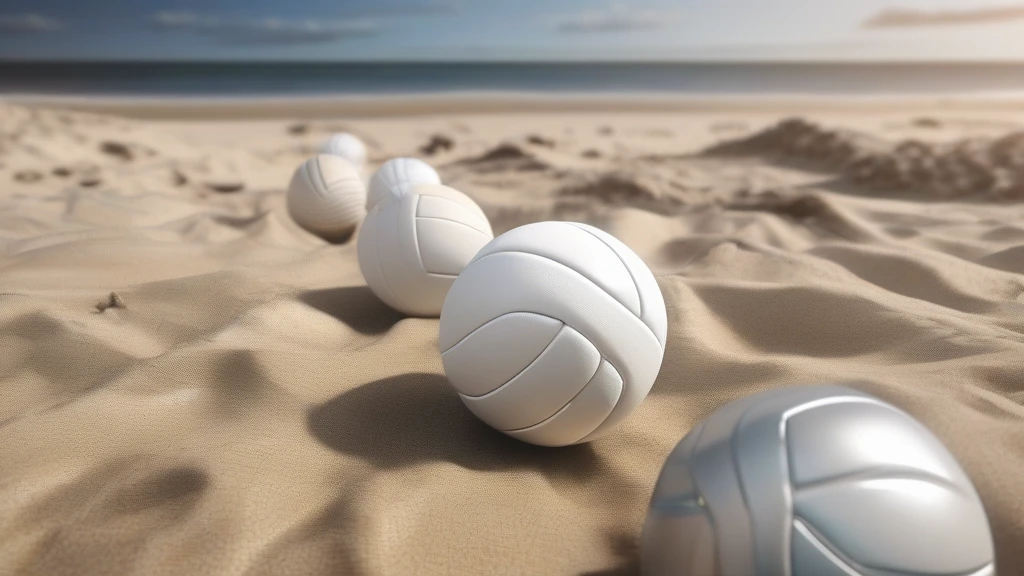
Volleyball is a dynamic sport that demands precision, control, and durability from its equipment—especially the volleyball itself. Whether you’re a professional athlete, a coach, or a recreational player, choosing the right volleyball can significantly impact your performance and enjoyment. This comprehensive guide compares different types and styles of volleyballs, focusing on their materials, design features, and ideal use cases. By understanding the nuances among indoor, beach, training, and multi-surface volleyballs, you’ll be better equipped to select the perfect ball for your needs.
Understanding Volleyball Categories and Their Key Features
Volleyballs generally fall into four main categories based on their intended environment and purpose: indoor tournament balls, beach volleyballs, training volleyballs, and multi-surface balls. Each type is engineered with specific materials and characteristics to optimize performance in its respective setting.
1. Indoor Tournament Volleyballs
Purpose and Use: Designed for high-level competitive play on indoor courts, these balls meet strict certification standards such as FIVB, NCAA, TÜV, and ISO. They are used in professional leagues, collegiate matches, and organized tournaments.
Materials and Construction:
- Typically constructed from composite or synthetic leather to provide a soft yet durable outer surface.
- Panels are often high-tension stitched or thermally bonded to maintain shape and withstand rigorous play.
- These balls feature a butyl bladder for superior air retention, offering consistent pressure and bounce quality throughout a match.
- The surface texture is smooth with subtle embossing or a slight grain to enhance grip without compromising speed.
Performance Characteristics:
- Regulation size and weight (approximately 65-67 cm circumference and 260-280 grams).
- Balanced flight and bounce, optimized for indoor air conditions.
- Durable against repeated spikes and hard hits.
Example Usage: Ideal for league play, professional matches, and serious training sessions where precision and consistency are paramount.
2. Beach Volleyballs
Purpose and Use: Specifically designed for outdoor sand courts and beach tournaments, these balls must withstand exposure to sun, wind, and moisture.
Materials and Construction:
- Outer panels often made from waterproof and UV-resistant synthetic leather or microfiber composites.
- The bladder is typically latex or a hybrid designed for optimal air retention despite temperature fluctuations.
- Reinforced stitching or thermal bonding ensures durability against abrasive sand and rough handling.
- Textured surfaces with anti-slip coatings improve grip even when wet or sandy.
Performance Characteristics:
- Slightly larger and lighter than indoor balls to accommodate outdoor play and wind conditions (usually around 66-68 cm circumference and 260 grams).
- Softer touch to reduce impact on players’ arms during extended rallies.
- Enhanced weather resistance extends ball lifespan despite harsh outdoor elements.
Example Usage: Perfect for beach volleyball tournaments, recreational play on sand, and outdoor training drills.
3. Training Volleyballs
Purpose and Use: Designed to support skill development, these balls cater to players of all levels, from beginners to advanced athletes focusing on specific techniques.
Materials and Construction:
- Often made from tear-resistant rubber or durable composite leather to withstand frequent use.
- Many models feature adjustable air pressure systems to customize ball responsiveness—lower pressure for softer touch or higher pressure for match-like feel.
- Training balls may come in varied sizes and weights, including lightweight "mini" versions for youth players or specialized drills.
- Some incorporate non-toxic, child-safe coatings for junior training environments.
Performance Characteristics:
- Emphasize durability over perfect flight dynamics.
- Designed to maintain shape and pressure despite rough practice conditions.
- May have a slightly textured surface to aid grip during drills.
Example Usage: Ideal for practice sessions, skills training, warm-ups, and youth coaching programs.
4. Multi-Surface Volleyballs
Purpose and Use: Versatile balls suitable for play across various surfaces such as grass, hard courts, and indoor floors, offering flexibility for casual and recreational players.
Materials and Construction:
- Constructed from synthetic leather or rubber blends optimized for abrasion resistance.
- Bladders made from butyl or latex ensure consistent bounce on different surfaces.
- Textured, anti-slip surfaces enhance control on diverse court types.
- Waterproof and UV-resistant treatments provide outdoor durability.
Performance Characteristics:
- Balanced size and weight for general play.
- Moderate softness to adjust to different playing conditions without sacrificing control.
- Reinforced seams for extended longevity.
Example Usage: Suitable for backyard games, school PE classes, and multi-environment training.
Key Factors to Consider When Choosing a Volleyball
Selecting the right volleyball is more than just picking a ball that looks good or feels comfortable. Here are essential factors and features to evaluate based on your playing environment and skill level.
Material Quality and Durability
- Composite vs. Synthetic Leather: Composite leather balls tend to offer a softer feel and better grip, making them popular for indoor play. Synthetic leather is often more durable and weather-resistant, ideal for outdoor and beach balls.
- Rubber and Microfiber: Training balls frequently use tear-resistant rubber or microfiber to endure heavy use without losing shape.
- Eco-Friendly Materials: Some manufacturers now incorporate recyclable components and use non-toxic coatings, supporting sustainability without compromising performance.
Air Retention and Bladder Type
- Butyl Bladders: Known for excellent air retention, butyl bladders keep volleyballs properly inflated longer, ensuring consistent bounce and flight. Common in indoor and multi-surface balls.
- Latex Bladders: Offer a softer touch and more responsive bounce but may require more frequent inflation. Often used in beach volleyballs.
- Adjustable Pressure Features: Training balls with adjustable pressure allow athletes to tailor ball responsiveness to specific drills or skill levels.
Surface Texture and Grip
- Smooth vs. Textured: Indoor balls usually have smoother surfaces for faster play, while outdoor and training balls benefit from textured or anti-slip coatings to maintain control in varied conditions.
- Waterproof and UV Resistance: Essential for beach and multi-surface balls to prevent material degradation from moisture and sun exposure.
Size, Weight, and Certification Standards
- Regulation Size and Weight: Certified balls conform to specific size and weight guidelines (circumference around 65-68 cm, weight 260-280 grams) mandated by organizations like FIVB and NCAA.
- Training Variations: Lightweight or smaller training balls may be used for younger players or skill-specific exercises.
- Certification Labels: Look for TÜV, ISO, or CE marks to ensure quality and compliance with safety standards.
Practical Tips for Maintaining Your Volleyball
Proper care extends the lifespan of your volleyball, preserving performance and saving costs over time.
- Inflation: Use a hand pump with a pressure gauge to maintain recommended air pressure. Avoid over-inflating, which can strain seams.
- Cleaning: Wipe down balls with a damp cloth after use, especially beach volleyballs exposed to sand and salt. Avoid harsh chemicals that can damage the surface.
- Storage: Store indoors away from direct sunlight and extreme temperatures to prevent material deterioration.
- Repairs: Use repair kits designed for stitching or patching minor tears on training or multi-surface balls.
Conclusion: Matching Volleyball Type to Your Needs
Choosing the right volleyball depends heavily on your playing environment, skill level, and specific use cases:
- For competitive indoor play: Opt for composite leather tournament balls with butyl bladders and certified specifications.
- For beach and outdoor use: Select waterproof, UV-resistant volleyballs with textured surfaces and latex or hybrid bladders.
- For training and development: Use durable, adjustable-pressure balls tailored for skill-building and extended practice.
- For recreational versatility: Consider multi-surface balls that balance durability and control across various court types.
By understanding the differences in materials, design features, and certifications, players and coaches can make informed decisions that enhance their volleyball experience. Remember, the right ball not only improves your game but also ensures safety, durability, and enjoyment for years to come.