
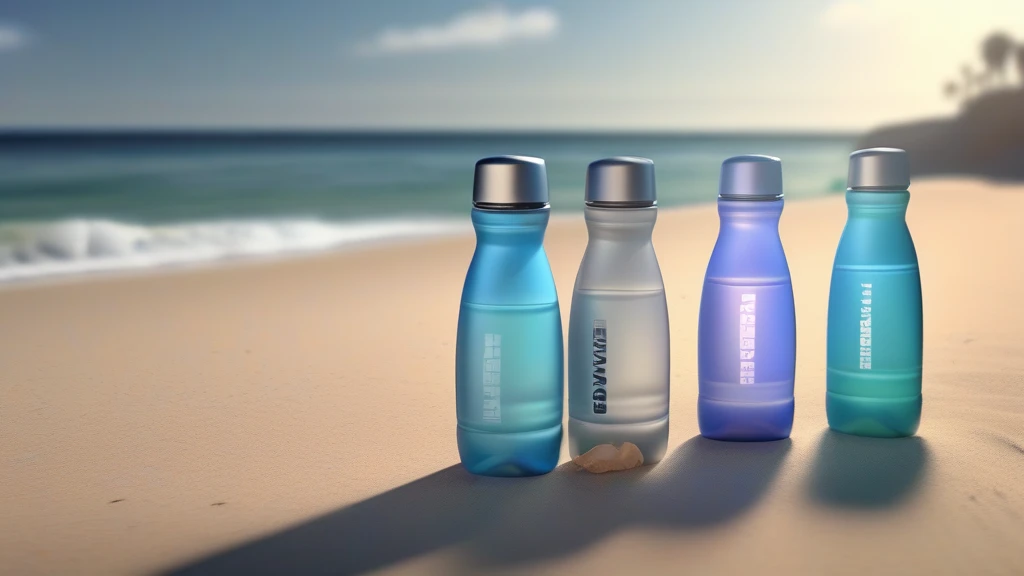
Staying properly hydrated is essential for everyone, but for active individuals—especially those engaged in surfing, gym workouts, or outdoor adventures—the right water bottle can make all the difference. The water bottle market within the Home & Garden > Kitchen & Dining > Food & Beverage Carriers category offers a diverse array of hydration solutions that blend durability, style, and convenience. But with so many options available, how do you know which type and style best suits your needs?
This comprehensive guide pits various water bottle types against each other, focusing on their materials, design features, capacities, and suitability for different activities. Whether you’re a surfer needing a rugged bottle to withstand saltwater conditions, a gym enthusiast looking for ergonomic ease, or an outdoor adventurer seeking lightweight portability, we’ll help you make an informed choice.
Understanding Water Bottle Types and Capacities
Water bottles come in a variety of sizes and designs tailored to different hydration demands and activity styles. The most common capacities range from:
- Small (200 ml): Compact and ultra-portable, ideal for short sessions or quick sips.
- Medium (500 ml): The most popular size, balancing portability and sufficient hydration for moderate activities.
- Large (1000 ml): Designed for extended hydration needs during long workouts, surfing sessions, or outdoor excursions.
Each size category often aligns with specific use cases and features.
Material Matters: Durability and Performance
When choosing a water bottle for an active lifestyle, material quality is paramount. These bottles are expected to endure outdoor conditions, resist impacts, and provide ergonomic comfort.
Common Materials
- High-grade Plastic: Lightweight and shatter-resistant, often BPA-free for safety. These bottles generally feature vibrant color options and sleek designs. Suitable for gym use and casual outdoor activities.
- Stainless Steel: Known for robustness and longevity. Stainless steel bottles withstand rough handling during surfing and trail activities and often feature insulated walls to maintain water temperature.
- Silicone Components: Used in grips or caps to enhance comfort and handling, especially during intense activities.
Durability Features
- Impact Resistance: Bottles designed for surfing or trail use often include reinforced sections or flexible materials to absorb shocks.
- Leak-Proof Caps and Seals: Essential for preventing spills during movement, especially in water sports.
- Ergonomic Shapes: Contoured designs ensure secure grip even when wet, reducing the risk of accidental drops.
Style and Design: Hydration Meets Personal Expression
Active users often seek water bottles that not only perform well but also complement their style. The category emphasizes:
- Vibrant Color Palettes: From ocean-inspired blues and greens to energetic reds and oranges, color choices help users express individuality.
- Sleek and Lightweight Profiles: Designed to fit easily into backpacks, gym bags, or surfboard holders without adding bulk.
- Modern, Sporty Aesthetics: Combining form and function, these bottles often feature smooth lines, matte finishes, or textured grips.
For surfers and outdoor enthusiasts, water bottles that reflect a connection to nature or sport culture add an extra layer of appeal.
Comparing Water Bottles by Activity Type
1. Surf-Centric Water Bottles
Key Characteristics:
- Made of highly durable materials (typically stainless steel or reinforced plastic) to resist saltwater corrosion.
- Compact to medium capacities (often 500 ml) to fit easily in beach bags or surfboard holders.
- Ergonomic grips with silicone accents for secure handling when wet.
- Vibrant, ocean-themed colors to match surf culture aesthetics.
Why They Stand Out:
These bottles excel in ruggedness and portability. Their designs prioritize quick access to hydration while dealing with sandy, wet environments. Leak-proof caps and sturdy construction ensure reliability during intense surf sessions.
Best For:
Surfers, stand-up paddleboarders, and anyone engaged in water sports who want a bottle that can handle the elements without compromising style.
2. Gym-Friendly Flasks
Key Characteristics:
- Lightweight high-grade plastic to reduce weight during workouts.
- Medium capacity (500 ml) is common to balance hydration and portability.
- Ergonomic, slim designs with easy-open lids or spouts for quick sips.
- Wide color range to coordinate with gym gear.
Why They Stand Out:
Gym bottles focus on convenience and speed. Their ergonomic shapes fit well in hand or cup holders, and the easy-access lids facilitate hydration without interrupting exercise. The durable plastic construction withstands frequent drops and sweat exposure.
Best For:
Athletes, fitness buffs, and anyone needing a fuss-free bottle that’s easy to carry and use during high-intensity workouts.
3. Outdoor and Trail Hydration Bottles
Key Characteristics:
- Larger capacities (up to 1000 ml) to support extended activities.
- Robust stainless steel or heavy-duty plastic construction for impact resistance.
- Lightweight designs balanced with ergonomic grips and sometimes clip-on features.
- Earth tone or camouflage-inspired color options for outdoor blending.
Why They Stand Out:
These bottles are designed for endurance, offering ample water supply with durable builds that survive rough terrain and unpredictable conditions. Their features often include secure seals to prevent leaks during vigorous movement.
Best For:
Hikers, trail runners, campers, and outdoor adventurers who require reliable hydration gear that lasts through long days and tough environments.
Making the Right Choice: Factors to Consider
Choosing the perfect water bottle depends on your activity, hydration needs, and personal preferences. Here are some practical tips:
Assess Your Hydration Needs
- Short Sessions (under 1 hour): A small (200 ml) or medium (500 ml) bottle usually suffices.
- Extended Activities: Opt for larger capacities (1000 ml) to ensure you stay hydrated without frequent refills.
Prioritize Material Based on Use
- For water sports, choose corrosion-resistant stainless steel or reinforced plastic.
- For gym workouts, lightweight plastic with ergonomic design enhances usability.
- For outdoor adventures, durability and capacity are key, favoring stainless steel or tough plastic.
Consider Ease of Use
- Look for bottles with leak-proof, easy-to-open lids.
- Ergonomic grips are essential for wet or sweaty hands.
- Lightweight and compact designs improve portability.
Match Style to Lifestyle
- Select colors and aesthetics that reflect your personal taste and activity culture.
- Consider bottles that visually inspire you to drink more water.
Maintaining Your Water Bottle: Longevity and Hygiene Tips
To get the most out of your hydration gear, proper maintenance is crucial:
- Regular Cleaning: Wash bottles daily with warm soapy water to prevent bacteria buildup.
- Deep Clean Weekly: Use a mixture of baking soda and vinegar or specialized bottle brushes to clean hard-to-reach areas.
- Dry Thoroughly: Leave the bottle open to air dry completely to avoid mold growth.
- Inspect Seals and Caps: Replace worn seals to maintain leak-proof performance.
- Avoid Harsh Chemicals: Use gentle cleaning agents to preserve material integrity and color vibrancy.
Routine care extends the lifespan of your bottle, ensuring it remains safe, functional, and stylish.
Conclusion
Selecting the right water bottle is more than just picking a container—it’s about choosing a hydration partner that supports your active lifestyle with durability, style, and convenience. Whether you’re catching waves, hitting the gym, or exploring trails, understanding the differences in water bottle types, materials, and designs will help you stay refreshed and motivated.
By considering capacity needs, material robustness, ergonomic features, and aesthetic appeal, you can find a water bottle that not only meets practical demands but also complements your personal style and activity routine. Remember, the best water bottle is one you’ll enjoy using every day, wherever your adventures take you.