
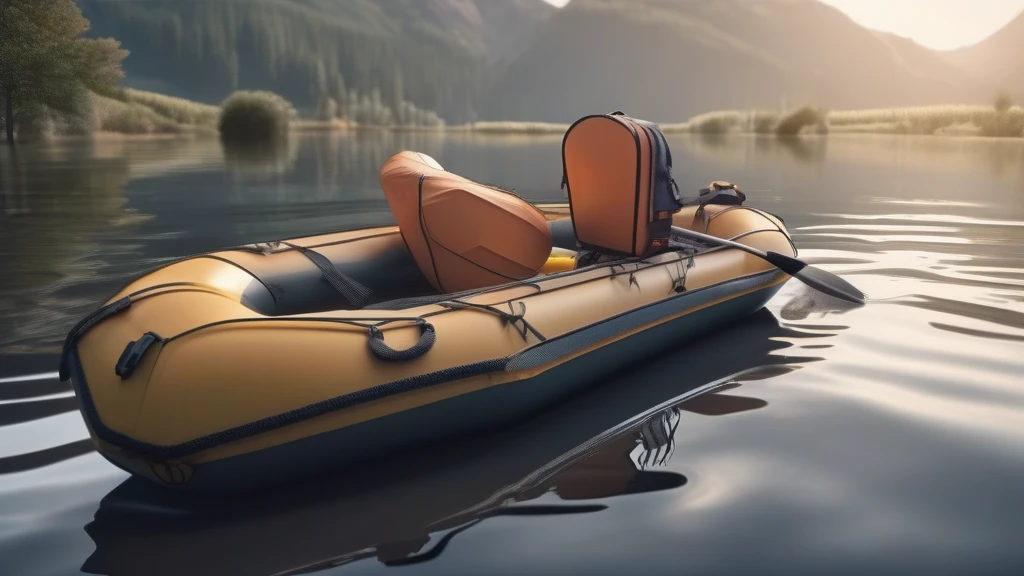
When preparing for a day on the water—whether kayaking, canoeing, or rafting—understanding your gear’s durability against moisture is paramount. The terms water-resistant and waterproof are often used interchangeably, but in the realm of boating and rafting equipment, they hold distinct meanings that can impact the safety, longevity, and performance of your watercraft accessories. This guide unpacks these key differences, explores the materials and certifications behind durable boating gear, and offers practical care tips to ensure your equipment withstands the elements.
What Does Water-Resistant Mean in Boating Gear?
Water-resistant boating and rafting products are designed to repel water to some extent, but they are not impervious to prolonged exposure or submersion. This level of protection is typically achieved through coatings or tightly woven materials that prevent water from immediately penetrating.
Characteristics of Water-Resistant Boating Accessories
- Materials: High-impact nylon fabrics with weatherproof coatings, anodized aluminum with sealants, and composite plastics treated with water-repellent finishes.
- Common Products: Handles with non-slip, water-resistant grips; mounting brackets with corrosion-resistant coatings; and strap systems featuring quick-dry webbing.
- Protection Level: Suitable for splashes, light rain, and occasional wet conditions but not for prolonged immersion or heavy water exposure.
- Use Cases: Dry storage compartments lining, external gear straps, and handle replacements used in typical paddling scenarios.
Example: Water-Resistant Mounting Brackets
Mounting brackets crafted from anodized aluminum often feature a water-resistant finish that prevents rust and corrosion during typical freshwater use. While these brackets resist water adherence, submersion or saltwater exposure without proper maintenance can degrade their protective layer over time.
What Does Waterproof Mean in Boating Gear?
Waterproof products provide a complete barrier against water, designed to keep moisture out even when fully submerged for certain periods. Waterproofing is achieved through specialized materials, sealed seams, and marine-grade coatings.
Characteristics of Waterproof Boating Accessories
- Materials: Marine-grade silicones, stainless steel hardware with sealed joints, and composite plastics certified for waterproof performance.
- Common Products: Repair kits with waterproof sealants, fully sealed hull patches, waterproof fasteners, and clamps with rubber gaskets.
- Protection Level: Suitable for immersion, heavy rain, waves splashing, and emergency water exposure.
- Use Cases: Hull repair sealants, emergency patch kits, waterproof storage compartments, and secure handle replacements designed for extreme conditions.
Example: Waterproof Repair Kits and Sealants
Emergency repair kits for kayaks and canoes typically include marine-grade silicones and sealants with certified waterproof ratings (ISO, TÜV). These products maintain adhesion and integrity under water pressure, ensuring quick hull patching without water ingress.
Comparing Water-Resistant vs Waterproof: Material and Durability Insights
Understanding the materials used in boating and rafting hardware reveals why some products are water-resistant while others are waterproof.
| Feature | Water-Resistant Gear | Waterproof Gear |
|---|---|---|
| Materials | Anodized aluminum, high-impact nylon, composites with coatings | Stainless steel, marine-grade silicone, fully sealed composites |
| Corrosion Resistance | Coated surfaces that resist light moisture | Intrinsic resistance, sealed joints, and gaskets prevent water penetration |
| Installation | Often quick-install, lightweight designs | May require advanced installation for sealed fit |
| Durability | Withstands splashes and rain; needs regular maintenance | Designed for long-term immersion and harsh conditions |
| Certifications | May carry environmental or corrosion resistance standards | Often certified for marine safety and water impermeability (ISO, TÜV, CE) |
Practical Tips for Maintaining Water-Resistant and Waterproof Boating Gear
Proper care extends the life and performance of your boating and rafting equipment, regardless of its water protection rating.
1. Regular Cleaning and Inspection
- Rinse anodized aluminum brackets and fasteners with fresh water after exposure to saltwater or muddy conditions.
- Inspect seals on waterproof clamps and handles for signs of wear or damage.
- Clean and dry nylon straps and handles to prevent mold and mildew growth.
2. Reapply Protective Coatings
- Use eco-friendly, biodegradable waterproofing sprays on nylon straps and fabric components to maintain water resistance.
- Apply marine-grade silicone lubricants on stainless steel fasteners to preserve waterproof seals.
3. Prompt Repairs with Certified Kits
- Keep a waterproof repair kit on board, including sealants and patches rated for underwater use.
- Follow manufacturer instructions for hull patching, ensuring surfaces are clean and dry before application.
4. Store Gear Properly
- Store water-resistant gear in dry compartments or use waterproof storage bags.
- Avoid prolonged UV exposure by using UV protectors designed to preserve coatings and materials.
Why Certifications Matter for Boating Hardware Durability
Certifications such as ISO, TÜV, CE, and Marine Safety Ratings signal that boating accessories meet rigorous standards for durability, environmental safety, and waterproof performance.
- Products with ISO certification often comply with international quality and safety benchmarks.
- TÜV certification ensures independent testing for waterproof claims and corrosion resistance.
- CE marking indicates conformity with European safety and environmental directives.
- Marine safety ratings confirm suitability for harsh water environments and emergency use.
Choosing certified hardware and repair accessories provides peace of mind that your equipment will perform reliably on the water.
Making Informed Choices: Selecting Between Water-Resistant and Waterproof Gear
Your choice depends on your typical boating activities, environmental conditions, and maintenance preferences.
| Scenario | Recommended Gear Type | Considerations |
|---|---|---|
| Casual paddling in calm waters | Water-resistant | Lightweight, easy to install, requires routine care |
| Frequent rafting or saltwater use | Waterproof | Durable, corrosion-proof, may need advanced installation |
| Emergency hull repairs | Waterproof repair kits | Certified sealants for lasting underwater adhesion |
| Gear mounting for light use | Water-resistant brackets | Quick-release, corrosion-resistant but avoid submersion |
Conclusion
Grasping the difference between water-resistant and waterproof boating and rafting gear empowers paddlers and repair technicians to select and maintain equipment that best fits their needs. From anodized aluminum mounting brackets with water-resistant coatings to marine-grade silicone sealants offering waterproof protection, each product category serves a distinct purpose in enhancing safety and durability on the water.
By investing in certified, eco-friendly hardware and following proper maintenance routines, paddlers can extend the life of their watercraft accessories, protect the environment, and paddle with confidence in any condition.
Stay informed and prepared with the right gear, and your adventures on the water will remain safe, enjoyable, and worry-free.