
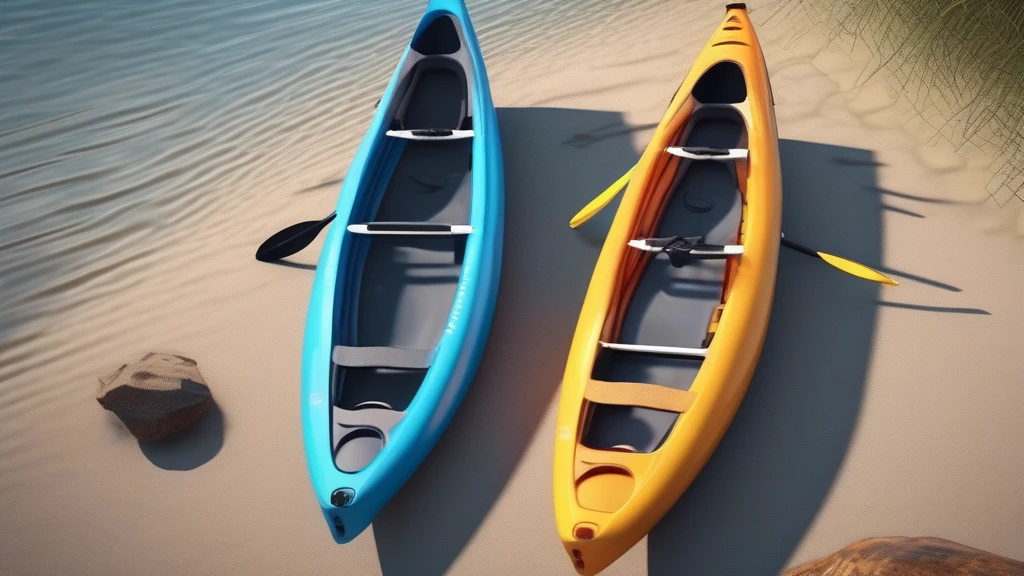
Folding kayaks have revolutionized the boating and water sports world by combining portability with performance. Designed for enthusiasts who crave adventure without the hassle of bulky storage or transport, these collapsible watercraft offer versatility across a broad range of water environments. However, when choosing a folding kayak, one critical factor often overlooked is the difference between water-resistant and waterproof models. Understanding this distinction can profoundly impact your kayaking experience, especially in terms of durability, safety, and care.
In this guide, we’ll explore what water resistance and waterproofing mean for folding kayaks, how materials and construction influence these properties, and practical tips to maintain your kayak’s integrity for years to come.
What Does Water-Resistant Mean in Folding Kayaks?
Water-resistant folding kayaks are designed to repel water to a certain extent but are not impervious to it. This means their materials and seams can resist light splashes, rain, or brief exposure to moisture, but they may allow water ingress under prolonged or intense wet conditions.
How Water Resistance Is Achieved
Water resistance in folding kayaks typically comes from:
- Double-wall PVC Fabric: Many folding kayaks use a double-layered PVC fabric that offers a tough, flexible surface resistant to water penetration. The outer layer repels water, while the inner layer provides structural integrity.
- Protective Coatings: Some models feature polyurethane or similar coatings to enhance water repellency.
- Frame Design: Marine-grade aluminum or carbon fiber frames help maintain the kayak's shape and prevent water pooling, contributing indirectly to water resistance.
Typical Use Cases for Water-Resistant Kayaks
Water-resistant kayaks are ideal for:
- Calm lakes and slow-moving rivers where water spray is minimal.
- Recreational paddling in good weather conditions.
- Beginners who prioritize stability and ease of use over extreme weather performance.
While these kayaks can handle occasional splashes and light rain, they are not suited for heavy rain, whitewater, or situations where submersion is likely.
What Does Waterproof Mean in Folding Kayaks?
Waterproof folding kayaks are designed to prevent water from entering the hull under a wider range of conditions, including heavy rain, waves, and rough waters. These kayaks offer a higher level of protection and durability, essential for demanding water environments.
How Waterproofing Is Engineered
Waterproofing in folding kayaks is achieved through several advanced features:
- Seam Sealing and Taping: High-quality waterproof models employ heat-welded or taped seams that eliminate gaps where water can seep inside.
- Waterproof Materials: Polycarbonate shells and ABS plastics create rigid, watertight hulls on some folding kayaks, often combined with thermoplastic composites for added strength.
- Integrated Skegs and Drainage Systems: These features help maintain directional stability and divert water away from critical hull areas.
- Tight Closure Systems: Zippers, flaps, and covers are designed to seal tightly, preventing water entry at connection points.
Typical Use Cases for Waterproof Kayaks
Waterproof folding kayaks are suited for:
- Challenging water conditions such as choppy rivers, coastal waters, or whitewater paddling.
- Expeditions where prolonged exposure to water and waves is expected.
- Skilled paddlers who require lightweight, fast, and maneuverable kayaks built from carbon fiber or marine-grade aluminum frames.
These models often come with safety certifications (ISO, TÜV, US Coast Guard, CE) that attest to their reliability and durability in harsh conditions.
Key Material Differences Affecting Water Resistance and Waterproofing
Material choice is a fundamental factor in whether a folding kayak is water-resistant or waterproof.
| Material | Water Resistance | Waterproofing | Characteristics |
|---|---|---|---|
| Double-wall PVC Fabric | High | Moderate | Flexible, lightweight, durable; best for water resistance but requires seam sealing for waterproofing. |
| Polycarbonate Shell | Moderate | High | Rigid, impact-resistant, waterproof hulls; heavier but excellent for rough water. |
| ABS Plastic | Moderate | High | Tough, corrosion-resistant; often used in combination with thermoplastics for waterproof models. |
| Thermoplastic Composites | Moderate | High | Lightweight and strong; ideal for both water resistance and waterproofing when properly sealed. |
| Marine-Grade Aluminum Frame | N/A | N/A | Structural support enhancing kayak shape and stability; corrosion-resistant. |
| Carbon Fiber Frame | N/A | N/A | Lightweight and stiff; preferred in high-performance waterproof kayaks. |
Maintenance and Care Tips to Preserve Water Resistance and Waterproofing
Proper care can extend your folding kayak’s lifespan and maintain its water protection features.
For Water-Resistant Kayaks
- Regular Inspection: Check seams and fabric for signs of wear, tears, or seam separation.
- Seam Reinforcement: Apply seam sealers or tapes as needed, especially after extended use or exposure to rough conditions.
- Cleaning: Rinse with fresh water after every use to remove dirt, salt, and debris that can degrade coatings.
- Storage: Store your kayak dry and away from direct sunlight to prevent UV damage to PVC fabrics.
For Waterproof Kayaks
- Check Seals and Closures: Ensure zippers, flaps, and hatch covers are intact and functioning properly.
- Hull Inspection: Look for cracks or impact damage, especially on polycarbonate or ABS hulls.
- Frame Care: Clean and lubricate any folding hinges or joints to prevent corrosion.
- Protective Bags: Use supplied carrying bags or cases to shield your kayak during transport and storage.
Making the Right Choice: Water-Resistant or Waterproof Folding Kayak?
Choosing between a water-resistant or waterproof folding kayak depends largely on your intended use, skill level, and typical water environments.
| Factor | Water-Resistant Kayak | Waterproof Kayak |
|---|---|---|
| Typical Water | Calm lakes, light rivers, gentle conditions | Choppy rivers, coastal waters, whitewater |
| Skill Level | Beginners, recreational paddlers | Intermediate to advanced paddlers |
| Portability | Often lighter and more flexible fabrics | May be heavier due to rigid hulls and materials |
| Durability | Good with proper care and seam maintenance | Superior, designed for rugged conditions |
| Assembly Time | Quick (5 to 15 minutes) | May take longer due to more complex sealing |
| Load Capacity | Typically 220 to 300 lbs | Often supports up to 400 lbs or more |
| Safety Certifications | Varies, often meets basic standards | Frequently ISO, TÜV, US Coast Guard, CE certified |
Conclusion
Understanding the difference between water-resistant and waterproof folding kayaks is crucial for selecting the right watercraft that matches your adventuring style and conditions. Water-resistant kayaks excel in convenience, lightweight design, and ease of use in calm waters, while waterproof models provide unmatched protection and durability for challenging water environments.
By considering materials, construction methods, and maintenance practices, paddlers can ensure their folding kayak remains a reliable companion for years of exploration. Whether you prioritize portability or rugged performance, informed decisions will enhance your safety, enjoyment, and confidence on the water.
Happy paddling and safe adventures!