
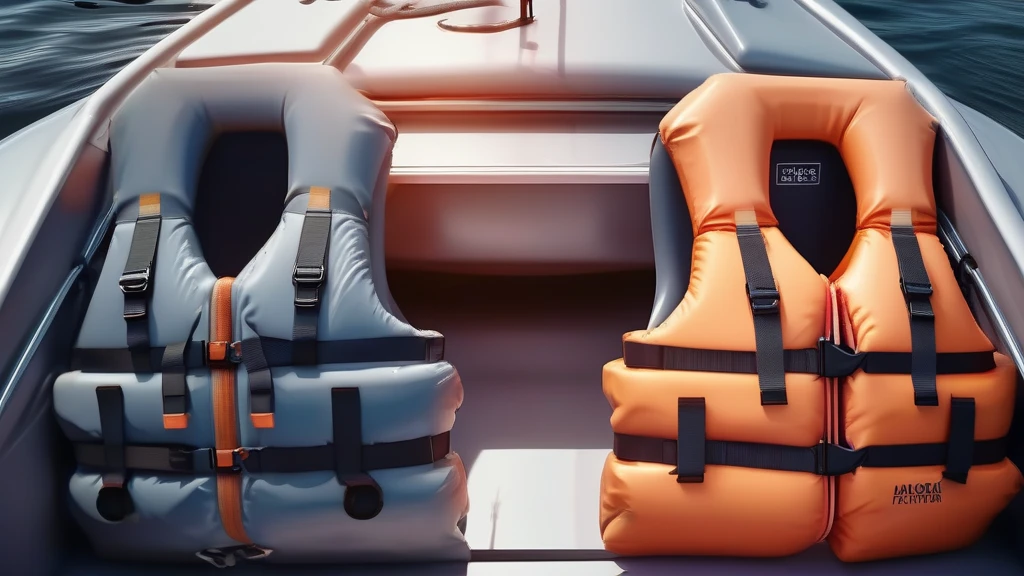
When it comes to boating and water sports, safety is paramount. A life jacket is arguably the most essential piece of personal flotation equipment you can wear on the water. But beyond the basic function of keeping you afloat, life jackets come with a variety of features and material technologies designed to enhance durability, comfort, and performance. Among these features, water resistance and waterproofing are often misunderstood terms that significantly impact a life jacket's longevity and effectiveness.
In this comprehensive guide, we’ll explore what water-resistant and waterproof mean in the context of life jackets, examine the materials and construction methods involved, and provide practical care tips to ensure your life jacket remains a reliable safety companion for years to come.
Understanding Water Resistance and Waterproofing in Life Jackets
What Does Water-Resistant Mean?
Water-resistant life jackets are designed to resist the penetration of water to some degree but are not impervious to it. This means they can repel light splashes, spray, and brief exposure to water without soaking through immediately. Water-resistant fabrics and coatings help keep the outer shell of the life jacket dry, which enhances comfort and helps prevent waterlogging.
Most water-resistant life jackets use durable materials such as ripstop nylon or polyester treated with water-repellent coatings. These fabrics offer breathability and quick drying, which are advantageous for active water sports like kayaking and paddleboarding where mobility and comfort matter.
What Does Waterproof Mean?
Waterproof life jackets provide a much higher level of protection against water penetration. These jackets are constructed with materials and sealing techniques that prevent water from passing through the outer shell. Often, waterproof life jackets feature marine-grade vinyl or laminated fabrics with sealed seams and closures.
Waterproof models are particularly valuable in harsh marine environments where sustained exposure to saltwater, rain, and waves is common—such as offshore fishing, sailing, and commercial maritime use. Their design helps maintain buoyancy performance and durability by preventing water saturation of the foam or inflatable components inside the jacket.
Key Materials and Construction Characteristics
Outer Shell Fabrics
- Ripstop Nylon: A favorite for water-resistant life jackets, this fabric is lightweight, resistant to tearing, and often treated with durable water repellent (DWR) finishes to shed water efficiently.
- Polyester: Another common shell fabric known for UV resistance and abrasion durability. It tends to hold its shape and color well in prolonged sun exposure.
- Marine-Grade Vinyl: Predominantly used in waterproof life jackets, this tough, flexible plastic offers superior water impermeability but can be less breathable.
Flotation Cores
- Closed-Cell Foam: Used in most foam life jackets (Type I, II, III), closed-cell foam is inherently buoyant and resists water absorption, contributing to long-term durability even when wet.
- Hybrid Foam and Inflatable Bladders: Some modern life jackets combine foam cores with inflatable bladders, offering compactness and adjustable buoyancy. The bladder materials must be waterproof and puncture-resistant to maintain integrity.
Seams and Closures
- Sealed Seams: Waterproof life jackets often have heat-sealed or welded seams to prevent water ingress.
- Adjustable Buckles and Quick-Release Straps: These features ensure a secure fit and enable quick removal during emergencies. Reinforced buckles are also corrosion-resistant to withstand saltwater exposure.
Why Water Resistance and Waterproofing Matter
Durability and Longevity
Water-resistant life jackets are suitable for many recreational activities where brief water exposure is normal. However, they may not withstand constant wet conditions without showing wear or becoming saturated over time. Waterproof life jackets, with their sealed constructions and tougher materials, stand up better to repeated immersion, saltwater corrosion, and UV damage, extending the product’s lifespan.
Safety and Performance
A life jacket’s flotation capacity can be compromised if its materials absorb water or become waterlogged. Waterproof designs help maintain consistent buoyancy and keep the jacket lightweight, which improves user comfort and safety. This is especially critical for Type I and Type V life jackets used in offshore or emergency rescue scenarios.
Comfort and Use Case
Water-resistant jackets typically offer better breathability and flexibility, making them ideal for active pursuits like kayaking or paddleboarding where mobility is important. Waterproof jackets tend to be heavier and less breathable but provide maximum protection and reliability in demanding marine environments.
Care Tips to Maximize Life Jacket Durability
Proper maintenance preserves both water resistance and waterproof integrity, ensuring your life jacket performs optimally when needed.
Rinsing and Cleaning
- After exposure to saltwater or chlorinated pools, rinse the life jacket thoroughly with fresh water to remove corrosive residues.
- Use mild soap and a soft brush or sponge to clean dirt and grime. Avoid harsh detergents or bleach, which can degrade fabrics and foam.
Drying
- Allow the life jacket to air dry completely before storage, ideally in a shaded, well-ventilated area to prevent UV damage and mildew.
- Avoid direct sunlight for prolonged periods, as UV rays can weaken outer fabrics and cause fading.
Storage
- Store life jackets in a cool, dry place away from chemicals, solvents, or sharp objects.
- For inflatable models, check and follow manufacturer guidelines for bladder maintenance, including periodic inflation tests and cylinder replacement.
Inspection
- Regularly inspect for tears, punctures, broken buckles, and seam integrity.
- Check reflective strips and high-visibility colors for fading, which could reduce rescue visibility.
Choosing the Right Life Jacket Based on Water Resistance Needs
For Recreational and Near-Shore Activities
Water-resistant life jackets—typically Type II or III—offer a balance of comfort and protection for boating, kayaking, paddleboarding, and family water activities. Their breathable ripstop nylon shells and closed-cell foam cores provide moderate buoyancy and quick drying, suitable for short-term water exposure.
For Offshore and Professional Use
Waterproof life jackets—usually Type I or specialized Type V models—are engineered for maximum flotation and durability under extreme conditions. Marine-grade vinyl shells, sealed seams, and rugged hardware make them reliable in rough seas, commercial fishing, and rescue operations.
Inflatable Models
Many inflatable life jackets incorporate waterproof bladder systems with durable outer shells. These combine compactness with waterproofing benefits but require attentive maintenance to ensure seal integrity and inflation readiness.
Conclusion
Understanding the difference between water-resistant and waterproof life jackets is crucial for selecting the right personal flotation device tailored to your aquatic activity and safety requirements. Water-resistant jackets excel in comfort and breathability for recreational use, while waterproof jackets prioritize durability and maximum protection for offshore and professional environments.
By paying attention to materials like ripstop nylon, marine-grade vinyl, flotation core types, and construction details such as sealed seams and reinforced buckles, you can make an informed choice that enhances both safety and longevity. Additionally, proper care and maintenance will protect your investment and ensure your life jacket remains a dependable safeguard on the water.
Whether you’re a casual paddler, a commercial mariner, or a family enjoying a day on the lake, knowing these distinctions empowers you to select a life jacket that not only fits your needs but also stands up to the demands of your water adventures.