
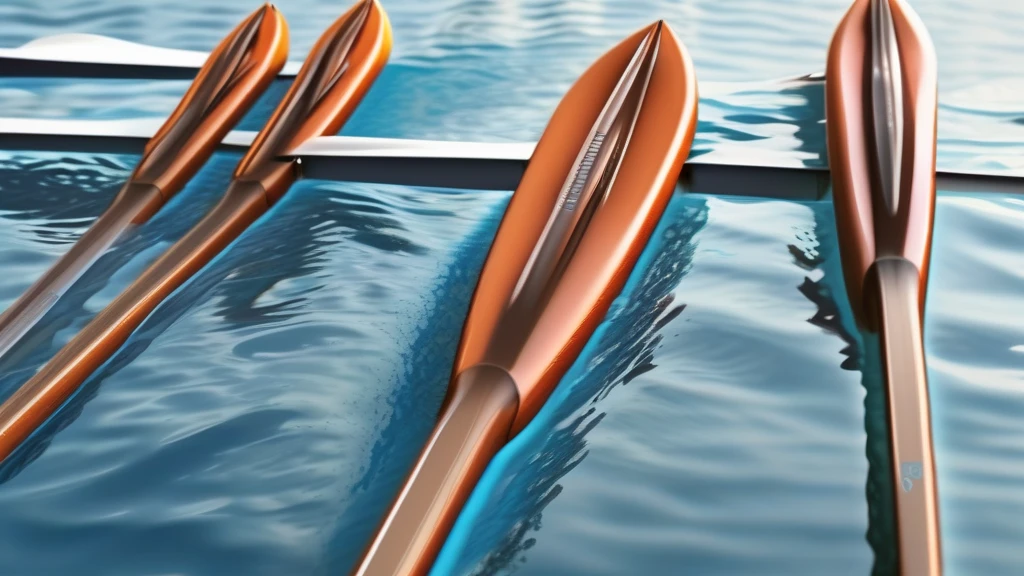
When venturing into boating and water sports, selecting the right paddle or oar is crucial not just for performance but also for durability and comfort. Among the many technical specifications and product features, terms like water-resistant and waterproof often arise, especially in the context of paddle materials and construction. Understanding the difference between these two can help paddlers make informed decisions, prolong the life of their equipment, and optimize their on-water experience.
This comprehensive guide delves into what water resistance and waterproofing mean for paddles and oars, how materials and design affect these properties, and practical care tips to maximize durability.
What Do Water-Resistant and Waterproof Mean for Paddles & Oars?
Defining Water-Resistant Paddles
Water-resistant paddles are designed to resist the penetration of water to some extent, but they are not impervious. This means that while the paddle’s surface or material can repel water and minimize absorption, prolonged or intense exposure to water may eventually lead to some moisture permeation.
In paddles, water resistance often comes from protective coatings or treatments applied to the blade and shaft materials, such as varnishes on wooden paddles or resin finishes on composite blades. These coatings help prevent water damage like swelling, warping, or fiber degradation.
Defining Waterproof Paddles
Waterproof paddles, on the other hand, are constructed to be impervious to water under normal use conditions. They do not absorb water and maintain their structural integrity and performance even after extended exposure.
This is typically achieved through the use of non-porous materials such as carbon fiber, fiberglass, nylon composites, or plastics and by eliminating seams or joints where water could penetrate. Sealed connections, waterproof adhesives, and fully encapsulated shafts ensure no water ingress.
Why Does Water Resistance Matter in Paddles & Oars?
Paddles and oars are constantly exposed to aquatic environments, and their durability and performance depend significantly on how well they handle water exposure.
- Wooden paddles, popular for their aesthetic and eco-friendly qualities, rely heavily on water-resistant finishes to avoid rot, swelling, and cracking.
- Composite paddles (carbon fiber, fiberglass) are naturally more waterproof due to their non-porous materials.
- Water intrusion in shafts, especially adjustable or telescoping ones, can cause internal corrosion, increased weight, and malfunction.
Understanding whether a paddle is water-resistant or waterproof helps paddlers choose the right equipment for their activity type and maintenance preferences.
Materials and Their Water Resistance Properties
Wood: Traditional and Sustainable
Wood paddles offer natural flexibility and a classic feel, making them favored by many recreational and touring paddlers. However, wood is inherently porous and susceptible to water damage, so manufacturers apply multiple layers of water-resistant varnishes or sealants.
- Durability Tip: Regularly inspect and reapply protective coatings to prevent water seepage.
- Design Note: Some wooden paddles feature laminated construction to enhance water resistance and strength.
Carbon Fiber and Fiberglass: Lightweight and Waterproof
These high-performance materials are non-porous and inherently waterproof, providing excellent stiffness and durability without absorbing water.
- Carbon fiber paddles are prized for their lightweight construction and strength, ideal for competitive racing and fitness paddling.
- Fiberglass blends offer a balance of flexibility and resilience, suitable for touring and whitewater paddling.
- Both materials often have a smooth, sealed finish that requires minimal maintenance related to water exposure.
Nylon Composite and Plastic Blades: Durable and Waterproof
Blades made from nylon composites or molded plastics are fully waterproof, highly resistant to impact, and easy to clean.
- These materials are common in beginner and recreational paddles, balancing cost-effectiveness with durability.
- The waterproof nature reduces the risk of blade delamination or waterlogging.
Design Factors Impacting Water Resistance
Adjustable and Telescoping Shafts
Adjustable paddles offer portability and customization but can be vulnerable to water intrusion through shaft joints.
- Water-resistant models may feature rubber gaskets or seals that reduce water penetration but do not fully prevent it.
- Waterproof designs incorporate sealed locking mechanisms and corrosion-resistant materials inside shafts to prevent water ingress and damage.
Two-Piece and Folding Paddles
These designs provide easy transport and storage but introduce additional joints that can be weak points for water entry.
- High-quality waterproof paddles use precision seals and durable locking collars to maintain water integrity.
- Water-resistant paddles might require more frequent maintenance to check for water accumulation and corrosion at joints.
Blade Shape and Coatings
Blade shapes (dihedral, asymmetrical, flat) influence paddling efficiency but also affect water contact.
- Protective coatings on blades improve water resistance by preventing surface abrasion and moisture penetration.
- Some paddles have UV-resistant coatings that protect against sun damage while maintaining water resistance.
Maintenance Tips to Extend Paddle Life and Performance
Regardless of whether a paddle is water-resistant or waterproof, proper care maximizes longevity:
- Rinse After Use: Always rinse paddles with fresh water after exposure to saltwater or muddy conditions to prevent corrosion and buildup.
- Dry Thoroughly: Allow paddles to dry completely before storage, especially adjustable or folding models to avoid mold and internal rust.
- Inspect Protective Coatings: For wooden paddles, periodically check for cracks or worn varnish and reapply sealants as needed.
- Lubricate Moving Parts: Apply marine-safe lubricants to adjustable shaft connections to maintain smooth operation and water sealing.
- Store Properly: Store paddles indoors or under cover, avoiding prolonged sun exposure and extreme temperatures that can degrade materials and coatings.
Choosing Between Water-Resistant and Waterproof Paddles: Practical Considerations
For Beginners and Recreational Paddlers
Water-resistant paddles, often made from durable plastics or wood with protective finishes, offer a balance of cost and function. They are forgiving and easy to maintain with basic care.
- Example: A two-piece wooden paddle with varnished blades and a water-resistant finish suits calm waters and occasional outings.
For Fitness and Competitive Paddlers
Waterproof paddles constructed from carbon fiber or fiberglass provide superior performance and minimal water absorption, ensuring consistent weight and strength during extended sessions.
- Example: A carbon fiber paddle with a sealed telescoping shaft offers lightweight efficiency and waterproof reliability.
For Whitewater and Fishing Enthusiasts
Durability and resilience matter most. Waterproof paddles with nylon composite blades and sealed joints withstand rough conditions and frequent water exposure.
- Example: A folding paddle with waterproof locking collars and impact-resistant nylon blades supports rugged use and easy transport.
Eco-Friendly and Sustainable Options in Water-Resistant and Waterproof Paddles
Sustainability is increasingly important in outdoor recreation. Many manufacturers now offer paddles made from responsibly sourced wood or recycled composites.
- Water-resistant wooden paddles often come from FSC-certified forests and utilize eco-friendly varnishes.
- Hybrid composite paddles may incorporate recycled carbon or fiberglass materials while maintaining waterproof properties.
- Choosing durable, long-lasting paddles reduces waste and environmental impact over time.
Conclusion
Understanding the difference between water-resistant and waterproof paddles and oars is essential for selecting equipment that aligns with your boating style, water conditions, and maintenance preferences. Water-resistant paddles provide adequate protection for casual, infrequent use but require ongoing care, especially if made from wood. Waterproof paddles, often constructed from composite materials with sealed designs, offer superior durability and low maintenance for serious paddlers and challenging environments.
By considering materials, design features like adjustable shafts and blade construction, and applying proper maintenance, you can enhance paddle longevity and on-water performance. Whether you’re a beginner enjoying calm lakes or a whitewater enthusiast tackling rapids, choosing the right paddle with appropriate water resistance qualities will elevate your boating experience and keep you paddling confidently season after season.