
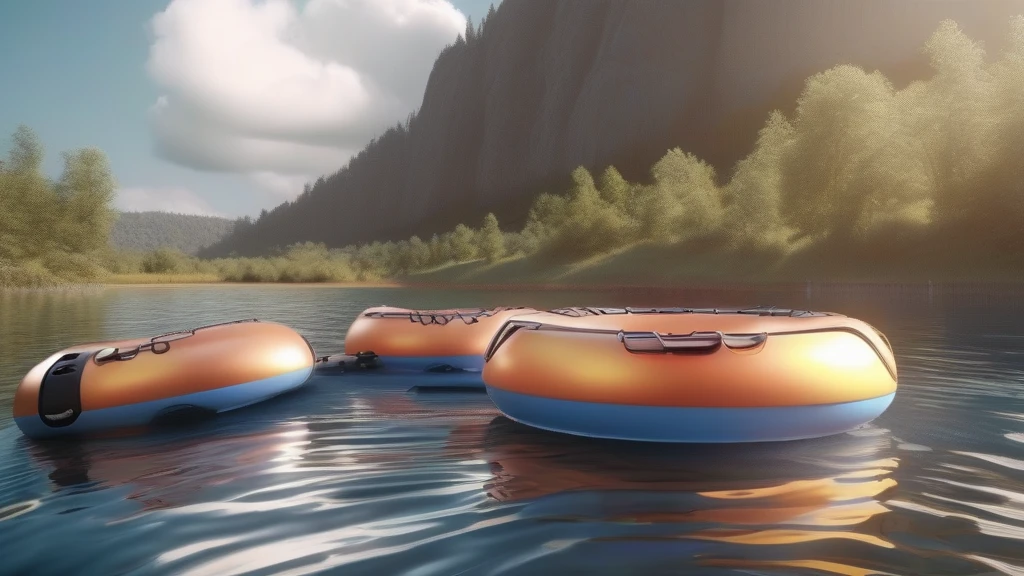
When it comes to towable rafts and tubes for boating and water sports, durability and material quality are crucial. These products are designed to offer thrilling rides while being towed behind boats, often at high speeds and over varied water conditions. Whether you are a solo rider seeking adrenaline or a family looking for collective fun, understanding the nuances between water-resistant and waterproof towable rafts and tubes can help you make a more informed decision and ensure you get the best performance and longevity from your investment.
In this guide, we’ll explore the differences between water-resistant and waterproof towables, dive into the materials and construction techniques that define them, and offer practical care tips for prolonging their lifespan.
What Does Water-Resistant Mean in Towable Rafts & Tubes?
Water-resistant towable rafts and tubes are designed to repel water to a certain extent but are not completely impervious to water penetration. These products feature durable, coated fabrics or synthetic materials that slow down water absorption and protect the internal structure from moisture damage.
Key Characteristics of Water-Resistant Towables:
- Material Coatings: Often made with PVC or polyurethane coatings that create a barrier against water.
- Durability Level: Resistant to splashes, occasional immersion, and surface wetting but not suited for prolonged exposure under water.
- Use Case: Ideal for typical boating conditions where the towable remains mostly above water, such as lakes or calm rivers.
- Maintenance: Requires drying after use to prevent mold and material degradation.
Water-resistant towables typically feature vibrant colors like bright yellow, blue, or orange, which enhance visibility and safety on the water. Their robust construction supports impact resistance, but water can slowly seep in if the product is submerged or stored wet for extended periods.
What Does Waterproof Mean in Towable Rafts & Tubes?
Waterproof towable rafts and tubes offer a higher level of protection against water penetration. These products are engineered to be fully sealed, preventing water from entering the material or inner chambers, even with prolonged exposure.
Key Characteristics of Waterproof Towables:
- Sealed Construction: Welded seams and airtight air chambers prevent leaks and water ingress.
- Material Quality: Use of heavy-duty, multi-layered PVC or vinyl with reinforced stitching or heat sealing.
- Ride Style: Often found in both sit-in and lay-on-top models, designed for high-speed towing with maximum stability.
- Use Case: Suitable for rougher water conditions, including coastal waters or choppier lakes, where splashing and partial submersion are common.
- Maintenance: Easier to clean since water doesn’t soak in; still needs proper drying to avoid mildew on external surfaces.
Waterproof towables emphasize safety and comfort with secure seating or grip points and ergonomic designs that support stability for riders of all skill levels. Their bright, eye-catching colors enhance visibility, which is important for group outings and family adventures.
Materials and Construction: What Makes a Towable Water-Resistant or Waterproof?
The difference between water-resistant and waterproof towables often boils down to two primary factors: materials and construction methods.
Materials
- PVC (Polyvinyl Chloride): A popular choice for towables due to its durability and water-repellent qualities. Thicker PVC layers (up to 30 mil or more) are typical in waterproof models.
- Vinyl: Used in many tubes and rafts for its flexibility and resistance to punctures. Multi-layer vinyl coatings enhance waterproof capabilities.
- Reinforced Nylon or Polyester Fabrics: Often used as the outer shell for water-resistant towables, coated with waterproof layers but not fully sealed.
Construction
- Heat Welding: Creates airtight seams that prevent water from entering the interior chambers, a hallmark of waterproof towables.
- Stitching with Sealed Seams: Found in water-resistant models where seams are treated to reduce water absorption but may not be fully watertight.
- Inflatable Chambers: High-quality waterproof towables use heavy-duty air chambers with secure valves to ensure no leakage.
Practical Care Tips to Maintain Water Resistance and Waterproofing
Proper maintenance significantly extends the life and performance of towable rafts and tubes, whether water-resistant or waterproof.
After Each Use:
- Rinse with Fresh Water: Salt, sand, and debris can degrade materials and compromise coatings.
- Thorough Drying: Even waterproof towables should be dried completely to prevent mold on fabric areas or inside crevices.
- Inspect for Damage: Check seams, valves, and grip areas for signs of wear or leaks.
Storage:
- Store in a Cool, Dry Place: Avoid prolonged exposure to direct sunlight, which can weaken materials and fade colors.
- Deflate and Fold Carefully: Prevent creases or sharp bends that might damage air chambers or coatings.
- Use Protective Bags: Many towables come with storage bags that help keep dust and moisture away.
Regular Maintenance:
- Patch Kits: Carry repair kits for quick fixes on punctures or small tears.
- Valve Care: Keep valves clean and lubricated for airtight seals.
Choosing the Right Towable for Your Water Activities
Understanding the difference between water-resistant and waterproof models will help you pick the right towable for your needs:
- For Casual Family Outings on Calm Lakes: Water-resistant towables with comfortable sit-in designs and secure seating offer a balance of durability and cost-efficiency.
- For High-Speed, Thrilling Rides on Rivers or Coastal Waters: Waterproof towables with heat-welded seams and heavy-duty materials provide enhanced safety and longevity.
- For Group Adventures: Towables accommodating multiple riders (four to six persons) often feature waterproof construction to handle the added stress and exposure.
Conclusion
When selecting towable rafts and tubes, knowing the distinction between water-resistant and waterproof products is key to maximizing fun and safety on the water. Water-resistant towables offer reliable protection for everyday use in calm conditions, while waterproof models are built to withstand more demanding environments and prolonged exposure.
By choosing the right materials and construction suited to your specific water activities—and following proper care and maintenance practices—you can enjoy countless exciting and safe outings on lakes, rivers, or coastal waters with family and friends.
Remember, vibrant colors, ergonomic designs, secure grip points, and easy towing attachments are also essential features that contribute to a great towable experience, regardless of water resistance level. Prioritize durability and safety, and your towable raft or tube will become a trusted companion for many memorable water adventures.