
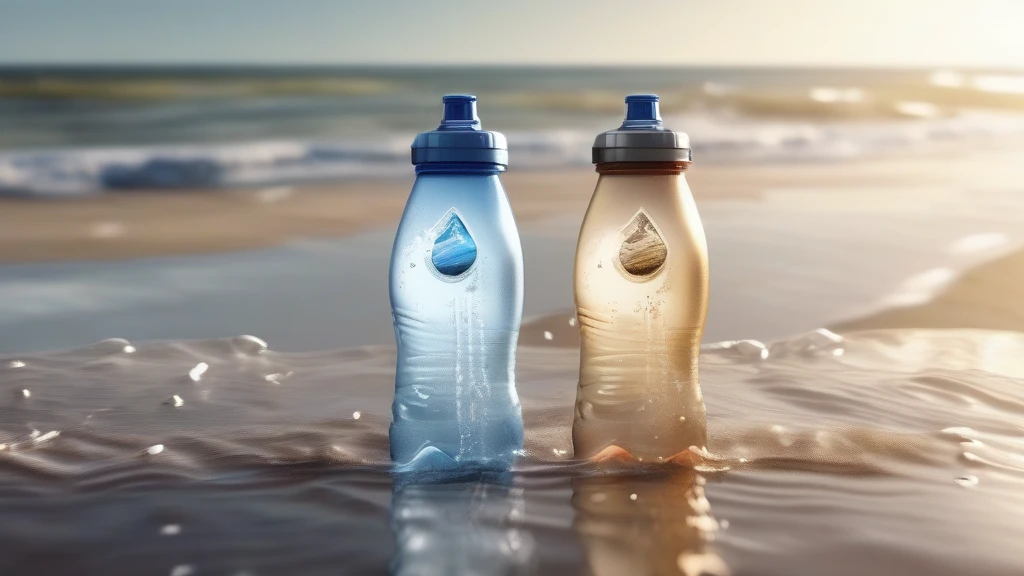
When selecting a water bottle for active outdoor use—whether you’re catching waves, hitting the gym, or trekking through scenic trails—knowing the difference between water-resistant and waterproof water bottles is crucial. These terms often get used interchangeably, but they refer to distinct performance levels that impact durability, protection, and suitability for your specific hydration needs.
In this comprehensive guide, we’ll unpack what water-resistant and waterproof mean in the context of water bottles, explore the materials and construction methods that define these categories, and share practical care tips to prolong your bottle’s life and performance. This knowledge will empower you to confidently choose a hydration companion that fits your lifestyle, activity, and style preferences.
What Do Water-Resistant and Waterproof Mean for Water Bottles?
Water-Resistant Water Bottles: Protection Against Splash and Moisture
A water-resistant water bottle is designed to resist water penetration to some degree but is not impervious to it. This means the bottle can repel splashes, rain, or brief exposure to wet environments without leaking or compromising the contents. However, it is not intended to be submerged or exposed to heavy water pressure.
For example, a water-resistant bottle might feature a silicone seal on the cap and a sturdy screw-top design that prevents accidental drips during a gym session or a quick dip in shallow surf conditions. Its exterior materials are often treated or naturally repel water to avoid damage or slippery handling when wet.
Waterproof Water Bottles: Complete Protection Against Water Ingress
A waterproof water bottle takes protection a step further, offering complete sealing that prevents any water from entering or escaping, even if fully submerged. These bottles are engineered with advanced sealing mechanisms, such as gasket-lined lids and locking caps, to maintain a watertight barrier.
Waterproof bottles are a preferred choice for surfers, kayakers, and outdoor adventurers who may face harsh, wet environments where the bottle could be knocked overboard or submerged. They ensure the contents stay dry and uncontaminated, and the bottle itself remains unaffected by water exposure.
Materials and Construction: How They Affect Water Resistance
Durable Materials for Active Use
Water bottles in the active lifestyle category typically utilize materials that combine durability with lightweight portability. Common options include:
-
Stainless Steel: Known for strength and corrosion resistance, stainless steel bottles often feature double-walled construction for insulation and robustness. Their solid build supports waterproof sealing but may add to the bottle’s weight.
-
High-Grade BPA-Free Plastics: These plastics are lightweight and less prone to breakage. Many water-resistant bottles use plastics with a textured or matte finish to enhance grip when wet and reduce slippage during activities like surfing or trail running.
-
Silicone and Rubber Components: Used in seals, caps, and grips, silicone and rubber provide flexible, watertight seals essential for waterproof performance. Their resilience helps maintain integrity under repeated use and exposure to moisture.
Design Features Enhancing Water Resistance
-
Sealed Screw Caps: Water-resistant bottles often have screw caps with silicone gaskets that create a snug fit, reducing the chance of leaks from splashes or light rain.
-
Locking Mechanisms and Flip Tops: Waterproof bottles frequently incorporate locking lids to prevent accidental openings in wet or dynamic environments. Flip-top spouts with secure closures can add convenience while maintaining water integrity.
-
Ergonomic Shapes and Textures: Many bottles feature contoured designs with grip-friendly surfaces, ensuring secure handling even when wet, an important consideration for water sports enthusiasts.
Choosing the Right Bottle Based on Your Activity
For Surfers and Water Sports Enthusiasts
Surfers require hydration gear that can endure saltwater exposure, unpredictable splashes, and potential submersion. A waterproof water bottle with a secure locking lid and robust gasket seals is ideal. Stainless steel bottles with double-wall insulation maintain beverage temperature and prevent condensation, which can be bothersome when stowed in a surf bag.
Compact sizes (around 500 ml) strike a balance between portability and sufficient hydration during a session. Vibrant color options not only add style but also boost visibility on sandy beaches or rocky shores.
For Gym Goers and Fitness Enthusiasts
Water-resistant bottles excel in gym or workout settings where sweat, light moisture, and occasional splashes are common. Lightweight BPA-free plastic bottles with ergonomic grips and quick-access spouts support easy hydration during intense workouts. Medium-sized bottles (around 500 ml) are popular for balancing capacity with ease of carrying.
Colorful designs and sleek profiles align well with fashion-conscious users who want their gear to complement activewear.
For Hikers and Outdoor Adventurers
Hikers benefit from durable, waterproof bottles that can withstand rain, river crossings, and rough handling. Large capacity options (up to 1000 ml) minimize the need for frequent refills on long trails. Stainless steel models with waterproof lids provide durability and temperature retention for extended outdoor use.
Compact and ergonomic designs enable easy packing in backpacks, while bright colors help locate bottles quickly among gear.
Care Tips to Maintain Water Resistance and Waterproof Integrity
Proper maintenance is key to preserving your bottle’s water-repelling or waterproof properties over time.
Cleaning and Drying
- Regular Cleaning: Wash bottles after each use with mild soap and warm water. For stainless steel bottles, use bottle brushes to reach narrow necks and remove residue.
- Avoid Harsh Chemicals: Bleach or abrasive cleaners can degrade seals or coatings.
- Dry Thoroughly: After washing, air-dry the bottle and cap separately to prevent mold growth and maintain gasket elasticity.
Seal and Cap Inspection
- Check Gaskets: Periodically inspect silicone or rubber seals for cracks or deformities that could compromise water resistance.
- Replace Parts if Needed: Some bottles offer replacement seals or caps to extend product lifespan.
Storage Recommendations
- Store with Caps Off: Storing bottles with lids off prevents moisture buildup and odors.
- Avoid Extreme Temperatures: Prolonged exposure to heat or freezing cold can warp seals or damage materials.
Final Thoughts: Matching Water Bottle Features to Your Lifestyle
Understanding the distinction between water-resistant and waterproof water bottles helps you select hydration gear that complements your active lifestyle. Whether you’re a surfer braving ocean sprays, a gym enthusiast needing quick sips between sets, or a hiker facing unpredictable weather, the right bottle features—materials, seals, size, and design—make all the difference.
Prioritize:
- Waterproof bottles for high-exposure water sports and wet environments
- Water-resistant bottles for everyday active use with minimal water contact
- Durable materials like stainless steel or BPA-free plastics for longevity
- Ergonomic, compact designs tailored to your activity and carrying preferences
- Vibrant colors and modern styling to express your personality alongside functionality
With proper care, your water bottle will remain a reliable hydration partner, supporting your endurance and style wherever your adventures take you.