
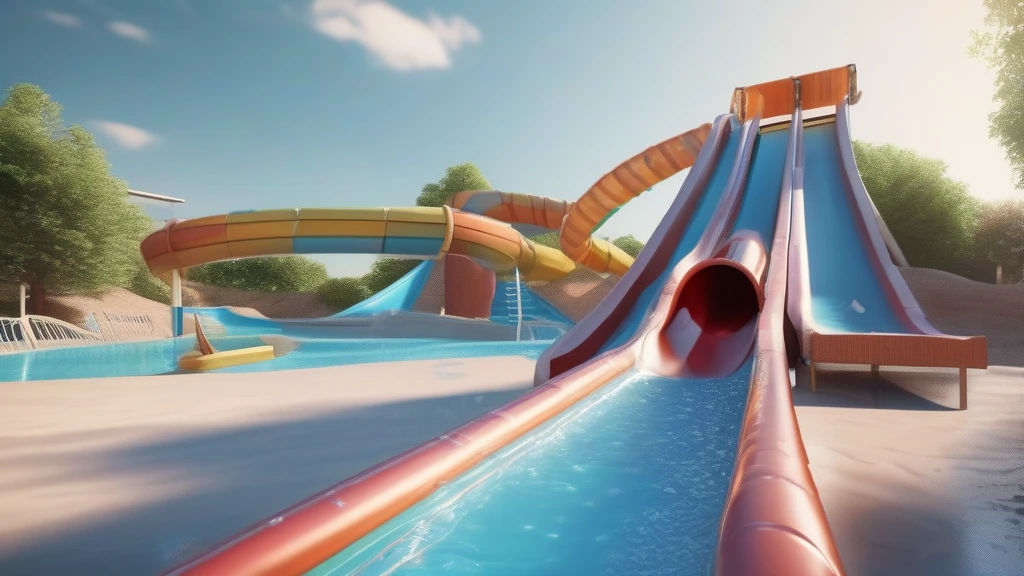
Outdoor water play equipment, especially high-thrill turbo water chutes designed for backyard and lake use, has become a summer staple for families and outdoor enthusiasts. These vibrant water slides provide exhilarating fun for groups of two to four users, combining speed, splash, and social engagement. When selecting water play equipment, understanding the difference between water-resistant and waterproof ratings, the materials used, and proper care can significantly impact your purchase satisfaction and the longevity of your investment.
In this guide, we’ll break down the nuances of water resistance in water play equipment, explore the key materials and design features, and offer practical maintenance tips to keep your water chutes safe and functional season after season.
Decoding Water Resistance Ratings in Water Play Equipment
When shopping for outdoor water play products like turbo water chutes, terms like water-resistant and waterproof often appear in product descriptions. Though they may sound similar, they indicate very different qualities that affect durability and user experience.
What Does Water-Resistant Mean?
Water-resistant water play equipment can withstand some exposure to water without immediate damage. The materials and seams may repel moisture, but under prolonged or heavy water contact, water may seep through. For example, a water-resistant turbo chute might have coated fabric or treated seams that slow water absorption during casual use, such as backyard sprinkler play or brief splashes.
Practical Implication: Water-resistant chutes are generally suitable for environments where water exposure is controlled and not constant. They are perfect for backyard setups where water flow is moderate, and the equipment is stored properly when not in use.
What Does Waterproof Mean?
Waterproof equipment is designed to be impervious to water ingress, even under sustained or intense wet conditions. This means materials and seams are sealed, often with specialized welding or lamination techniques, to prevent any water penetration. A waterproof turbo water chute can be used safely for lake outings or continuous water flow setups without risk of internal damage or weakening.
Practical Implication: Waterproof water play equipment is ideal for heavy water exposure settings such as lakeside parties or all-day backyard water parks where the chute remains wet for extended periods.
Materials and Construction: The Backbone of Durability
The difference between water-resistant and waterproof often boils down to the quality of materials and construction methods used. Here’s what to look for in turbo water chutes and similar equipment:
Heavy-Duty PVC and Vinyl Fabrics
Most high-thrill turbo water chutes are made from heavy-duty PVC or laminated vinyl fabrics. These materials offer excellent tensile strength, resistance to UV rays, and either water resistance or waterproofing depending on their treatment.
- Water-Resistant Options: May use a standard PVC coating with heat sealing. These fabrics repel water initially but can absorb moisture over time.
- Waterproof Options: Use thicker laminations or dual-layer PVC with welded seams to create a watertight barrier.
Seam Construction: Heat Welding vs Stitching
Seams are critical points where water can penetrate, so their construction method impacts water resistance.
- Stitched Seams: Common in water-resistant chutes, stitching provides strong mechanical hold but can allow water seepage through needle holes.
- Heat-Welded Seams: Found in waterproof models, heat welding fuses the fabric edges together creating a seamless, impermeable bond that blocks water entry.
Reinforced Edges and Anchors
Durable water play equipment incorporates reinforced edges and heavy-duty anchors to withstand tension from multiple users sliding simultaneously. Reinforcements also protect against wear caused by water exposure, ensuring sustained performance whether in a backyard or lake setting.
Practical Tips for Caring for Water Play Equipment
Whether you own a water-resistant or waterproof turbo water chute, proper care will dramatically extend its lifespan and maintain safety standards.
Cleaning and Drying
- After Use: Rinse the chute with fresh water to remove dirt, sand, and chlorine residues, especially after lake use.
- Dry Thoroughly: Even waterproof materials benefit from thorough drying before storage to prevent mold and mildew buildup, which can degrade fabric and stitching.
- Avoid Harsh Chemicals: Use mild soap solutions if needed; avoid bleach or abrasive cleaners that can damage coatings.
Storage Best Practices
- Store water play equipment in a cool, dry place, away from direct sunlight during the off-season.
- Roll or fold the chute loosely to prevent creases or cracks in the PVC or vinyl.
- Use protective covers or storage bags to shield from dust and pests.
Seasonal Preparation
- Inspect seams, anchors, and fabric for signs of wear or damage before each season.
- Repair minor tears promptly with patch kits designed for PVC/vinyl water toys to prevent water infiltration.
- Consider applying UV protectant sprays to maintain vibrant colors and reduce material degradation.
Choosing the Right Water Play Equipment for Your Needs
Understanding water resistance properties can guide you in selecting the right water chute tailored to your environment and usage patterns.
For Casual Backyard Use
If you plan to use the turbo water chute mainly in your backyard with controlled water flow and occasional splash, a water-resistant model with durable PVC fabric and stitched seams will suffice. These products are often lighter and easier to set up, with bright colors like blue, red, or yellow to enhance visibility and fun.
For Frequent Lake or Continuous Water Flow Use
For lake outings or setups where the chute remains wet for extended periods, invest in waterproof equipment featuring heat-welded seams and thicker laminated PVC. These designs withstand constant exposure without compromising structural integrity or safety, accommodating up to four simultaneous users for maximum group enjoyment.
Enhancing Your Outdoor Water Play Experience
Water play equipment such as turbo water chutes can transform ordinary backyards and lakesides into vibrant summer hubs. Selecting durable, appropriately water-rated products ensures these installations bring safe, high-speed thrills and refreshing splashes year after year.
Whether hosting family fun days, backyard parties, or lake adventures, keep these tips in mind:
- Match the water resistance level of the equipment to your typical use scenarios.
- Prioritize safety by inspecting equipment regularly and following manufacturer care guidelines.
- Use vibrant color schemes not only for aesthetic appeal but also for increased visibility and supervision.
- Encourage group activities by choosing chutes designed for two to four users, promoting active social engagement.
By understanding the technical distinctions between water-resistant and waterproof water play equipment and caring for your investment properly, you can create memorable, dynamic water experiences that enhance every summer gathering.
Enjoy a safe and splash-filled season with the right water play equipment tailored to your lifestyle and outdoor space!