
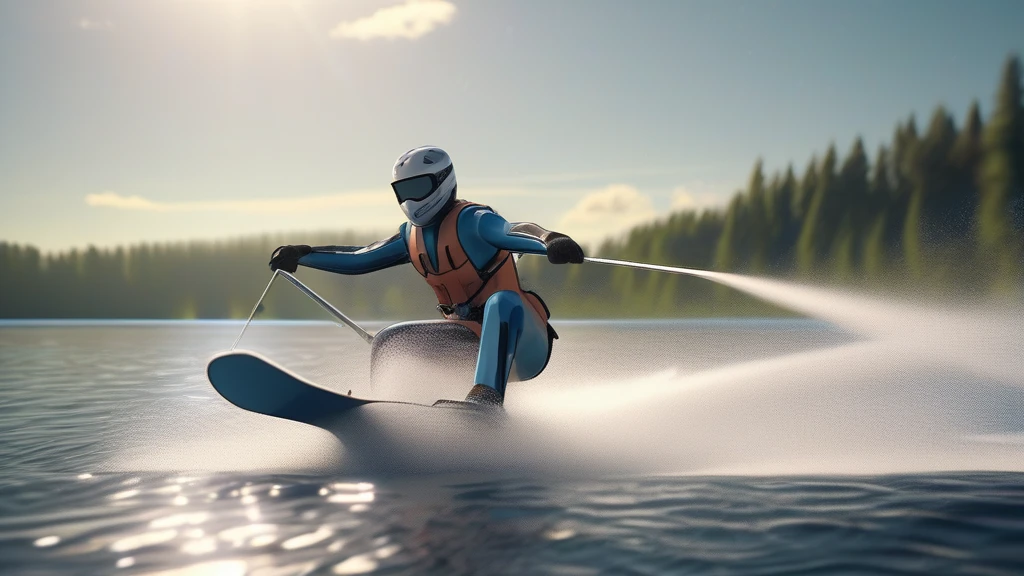
Water skiing is an exhilarating sport that demands not only skill and balance but also reliable, durable equipment designed to withstand challenging aquatic environments. Whether you are a beginner gliding across calm lakes or an elite athlete performing freestyle tricks on choppy waters, understanding the difference between water-resistant and waterproof features in your water skiing gear can significantly impact your performance, safety, and equipment longevity.
In this guide, we delve into the nuances of water resistance and waterproofing as they relate to water skiing equipment—especially skis, bindings, and accessories—highlighting key materials, construction methods, and care practices that ensure your gear endures the rigorous demands of towed water sports.
What Do Water-Resistant and Waterproof Mean in Water Skiing?
Defining Water-Resistant
Water-resistant water skiing equipment is designed to repel water to a certain degree but not entirely prevent water penetration. For example, water-resistant bindings or fabrics may shed light splashes or brief exposure to spray, but prolonged immersion or heavy exposure can allow water to seep through, potentially affecting comfort or structural integrity.
Defining Waterproof
Waterproof gear offers complete protection against water ingress, even under sustained submersion or heavy spray conditions. Waterproof materials and construction techniques prevent any water from penetrating the surface, preserving internal components and maintaining performance regardless of water exposure.
Understanding these distinctions is crucial when selecting your water skiing equipment, as different gear components require varying levels of water protection depending on their function and exposure.
Why Water Resistance and Waterproofing Matter in Water Skiing Gear
Water skiing equipment is constantly exposed to water, sun, and mechanical stresses. Proper water protection enhances:
- Durability: Prevents water damage that can degrade materials such as wood cores or foam interiors.
- Performance: Maintains consistent weight and flex characteristics by avoiding water absorption.
- Comfort: Keeps bindings and boots dry and comfortable during extended sessions.
- Safety: Ensures components like quick-release mechanisms and adjustable fins operate reliably without corrosion or swelling.
Let’s explore how these differences manifest in the materials and construction of water skis and their components.
Key Materials and Construction in Water Skiing Equipment
Water-Resistant Materials
- Fiberglass and Carbon Fiber Laminates: These materials are often coated with water-resistant resin layers that repel water but may allow minimal permeability over time. They provide lightweight strength with moderate water protection.
- Polyurethane Cores: Many skis use closed-cell polyurethane foam cores that resist water absorption but can be vulnerable if the outer laminate is compromised.
- Aluminum Reinforcements: Lightweight and corrosion-resistant, aluminum parts are typically anodized or coated to enhance water resistance but require care to prevent oxidation over time.
- Neoprene Bindings: Bindings made of neoprene are naturally water-resistant, shedding water quickly but not entirely waterproof, allowing moisture to enter during prolonged use.
Waterproof Technologies and Features
- Kevlar Layers: Kevlar-reinforced skis offer not only impact resistance but also enhanced waterproofing due to the tight weave and resin encapsulation.
- Sealed, Laminated Surfaces: High-end skis often feature multiple laminated layers completely sealed with waterproof resin to prevent any water ingress.
- Detachable Quick-Release Bindings with Waterproof Seals: Designed for safety and durability, these bindings incorporate waterproof gaskets and corrosion-resistant metals for long-lasting performance.
- Anti-Slip, Waterproof Footbeds: Some bindings include waterproof footbed materials combined with ergonomic designs to maintain dry, stable footing.
- Eco-Friendly Waterproof Coatings: Increasingly, manufacturers use sustainable, water-impermeable coatings that protect skis without harmful chemicals.
Practical Care Tips to Maintain Water Resistance and Waterproofing
Even the most advanced water skiing gear needs proper care to maintain its water protection features:
1. Rinse with Fresh Water After Use
Saltwater, chlorine, and sand can degrade protective coatings. Always rinse skis, bindings, and accessories thoroughly with fresh water immediately after use to remove residues.
2. Inspect Skis for Cracks and Delamination
Water can penetrate compromised laminates. Regularly check for chips, cracks, or peeling layers, especially around edges and fin mounts. Repair minor damage promptly with waterproof epoxy or resin kits.
3. Dry Equipment Thoroughly Before Storage
Store your skis and bindings in a cool, dry place, preferably in breathable carry bags designed for water sports gear. Avoid prolonged exposure to direct sunlight or humid environments that can degrade waterproof seals.
4. Lubricate Metal Components
Apply marine-grade lubricants to adjustable bindings, quick-release mechanisms, and aluminum reinforcements to prevent corrosion and maintain smooth operation.
5. Use Protective Covers and Bags
High-quality padded carry bags with water-resistant exteriors protect your gear during transport and storage, preventing moisture buildup and physical damage.
Choosing the Right Water Skiing Equipment Based on Water Protection Needs
When selecting skis and related gear, consider your typical water conditions, usage frequency, and maintenance willingness.
For Beginners and Recreational Skiers
- Water-Resistant Models: Recreational skis with fiberglass and polyurethane cores offer excellent durability and moderate water protection, suitable for calm lakes and occasional use.
- Neoprene Bindings: Comfortable and flexible, these bindings are water-resistant but require drying after sessions.
For Freestyle and Show Skiers
- Kevlar-Reinforced, Waterproof Laminates: High-impact tricks demand skis that resist water damage and maintain structural integrity.
- Detachable Waterproof Bindings: Adjustable bindings with waterproof seals enhance safety and performance during complex maneuvers.
For Speed and Slalom Competitors
- Fully Waterproof Carbon Fiber Skis: Lightweight and stiff, these skis feature sealed laminates to prevent water absorption, preserving weight and agility.
- Aluminum Reinforced Fins with Waterproof Coatings: Ensure precision control and corrosion resistance in competitive environments.
Eco-Conscious Water Skiers
Increasingly, manufacturers produce skis using sustainable materials and water-impermeable coatings that minimize environmental impact without sacrificing waterproof performance.
Final Thoughts: Balancing Water Protection with Performance and Comfort
Understanding the difference between water-resistant and waterproof water skiing equipment empowers you to choose gear tailored to your skill level, water conditions, and maintenance preferences. Advanced materials like carbon fiber, Kevlar, and waterproof laminates provide superior protection but often come at higher price points and require careful upkeep. Conversely, well-made water-resistant skis and bindings offer excellent value and durability for recreational use with proper care.
By combining informed choices with proper maintenance, you can ensure your water skiing equipment remains reliable, comfortable, and safe—allowing you to focus on mastering the exhilarating sport of water skiing.