
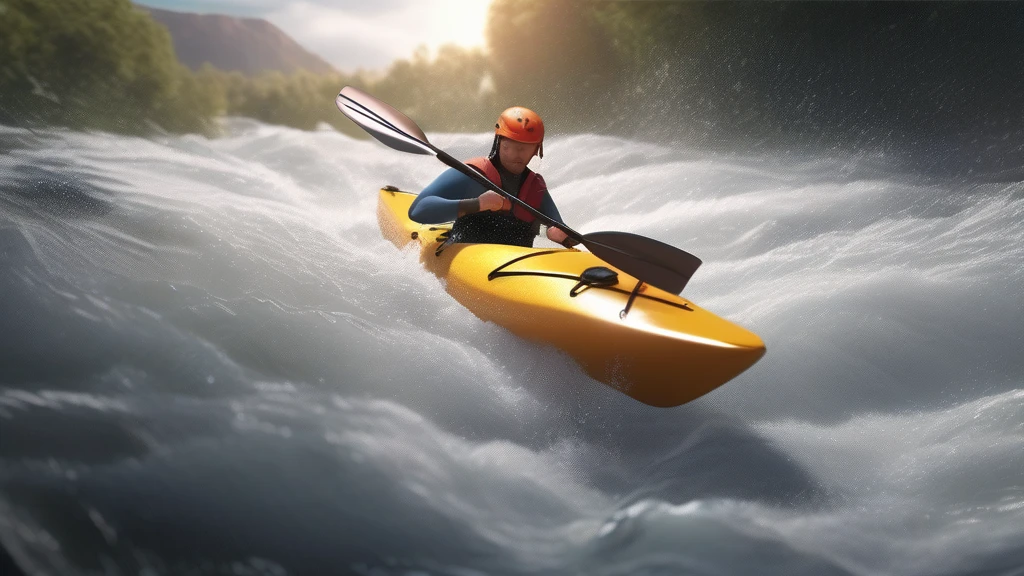
When it comes to choosing a whitewater kayak—especially those tailored for coastal and open-water touring—understanding the nuances between water-resistant and waterproof kayaks is essential. While the category name suggests rapid river use, many kayaks marketed as whitewater are in fact designed for demanding sea and tidal water conditions, where durability, stability, and gear protection take center stage.
This guide will clarify what water resistance and waterproofing mean in the context of whitewater kayaks, explore how construction materials and design influence these qualities, and offer practical care tips to maximize your kayak’s lifespan and performance.
What Does Water-Resistant Mean in Whitewater Kayaks?
Defining Water Resistance
Water resistance refers to a kayak’s ability to repel water to some degree but not completely prevent water from entering the cockpit or storage compartments. Most sea and touring kayaks offer water resistance through features like spray skirts, sealed hatches, and deck bungees, but they are not fully waterproof vessels.
For instance, many touring whitewater kayaks include spray skirts—flexible neoprene or nylon covers that fit snugly around the paddler’s waist and the cockpit rim. Spray skirts prevent splashes and waves from entering the cockpit during moderate water exposure but will not keep the interior dry if the kayak capsizes or is submerged.
Common Water-Resistant Features
- Sealed Storage Hatches: These compartments use rubber gaskets and locking mechanisms to keep gear dry during waves and spray but may leak under full submersion.
- Deck Bungees: Elastic cords on the deck secure gear without full enclosure but offer limited water protection.
- UV-Resistant Coatings: Many kayaks include UV protection to maintain hull integrity from sun exposure, which indirectly supports water resistance by preventing material degradation.
Water resistance is adequate for activities like coastal exploration, tidal navigation, and lake paddling, where conditions are variable but not extreme.
What Does Waterproof Mean in Whitewater Kayaks?
The Reality of Waterproofing
True waterproofing in kayaks means the craft and its compartments prevent water ingress even under prolonged exposure or submersion. While no kayak is entirely waterproof in all scenarios, waterproof whitewater kayaks—or models with waterproof features—offer enhanced protection, especially for gear storage and safety equipment.
Waterproofing in this context often refers to:
- Watertight Hatches: Designed with secure sealing systems to keep water out even when the kayak is rolled or partially submerged.
- Bulkhead Construction: Internal bulkheads divide the kayak into sealed compartments, maintaining buoyancy and preventing water from flooding the entire hull.
- Durable Hull Materials: High-density polyethylene or Kevlar reinforced with epoxy resin provide rigid, impact-resistant shells with minimal permeability.
How Waterproofing Supports Whitewater and Sea Kayaking
Kayakers tackling tidal waters, bays, and open oceans benefit from waterproof features because these conditions often involve waves, spray, and the potential for capsize. Waterproof compartments safeguard essential gear, electronics, and emergency supplies, enabling longer tours without worry.
Materials and Their Impact on Water Resistance and Waterproofing
The construction material of a whitewater kayak plays a pivotal role in its durability, weight, and water protection capabilities.
Rotomolded Polyethylene
- Durability: Highly impact-resistant, excellent for rugged coastal or tidal environments.
- Water Protection: Naturally waterproof as a solid plastic hull, but heavy compared to composites.
- Weight: Heavier, affecting portability and paddling speed.
- Maintenance: UV-resistant coatings often applied to prevent sun damage.
Carbon Fiber and Kevlar Composites
- Durability: Very strong and lightweight; Kevlar offers excellent impact resistance.
- Water Protection: Composite shells provide excellent waterproofing and stiffness, enhancing speed and maneuverability.
- Weight: Ultra-lightweight, ideal for fitness paddlers and long-distance touring.
- Maintenance: Sensitive to UV exposure; requires careful storage and regular inspections.
Fiberglass and Thermoformed ABS
- Durability: Balanced between strength and weight, fiberglass offers good rigidity.
- Water Protection: Fiberglass hulls are waterproof but may be prone to cracking under impact.
- Weight: Medium weight, making them versatile for coastal and lake use.
- Maintenance: Requires regular checks for surface cracks and UV damage.
High-Density Polypropylene
- Durability: Strong and abrasion-resistant, suitable for rocky tidal zones.
- Water Protection: Provides a waterproof hull but is less lightweight.
- Weight: Moderate to heavy.
- Maintenance: UV protection necessary to prevent brittleness over time.
Design Features Enhancing Water Resistance and Waterproofing
Beyond materials, many whitewater kayaks incorporate design elements that improve water protection:
- Adjustable Seating and Spray Skirts: Ensures a tight cockpit seal to minimize water ingress.
- Skegs or Rudders: Help maintain directional control in tidal currents, reducing the chance of capsizing.
- Foldable or Compact Designs: While portable, these require additional care to maintain waterproof seals on hinges and joints.
- Integrated Carry Systems: Shoulder straps and deck handles enable easy transport without compromising hull integrity.
Caring for Your Whitewater Kayak: Tips for Longevity and Water Protection
Proper maintenance extends the life of your kayak’s water resistance and waterproofing capabilities.
1. Rinse After Use
Saltwater and debris can degrade materials and seals. Always rinse with fresh water after paddling in tidal or coastal environments.
2. Inspect Seals and Hatches Regularly
Check rubber gaskets for cracks or wear. Replace or lubricate seals to maintain watertight integrity.
3. Protect from UV Damage
Store kayaks in shaded areas or use UV-resistant covers. Prolonged sun exposure weakens composite resins and plastics, reducing water protection.
4. Avoid Prolonged Submersion
Even waterproof kayaks have limits. Avoid situations where the kayak is fully submerged for extended periods to prevent water ingress.
5. Proper Storage
Store kayaks off the ground, preferably on padded racks. For foldable designs, ensure folds and joints are dry and free of sand or grit before packing.
Conclusion: Making the Right Choice for Your Kayaking Adventures
Understanding the distinction between water-resistant and waterproof whitewater kayaks helps paddlers make informed decisions aligned with their specific needs.
- Opt for water-resistant models with spray skirts and sealed hatches if you primarily explore calm tidal waters, bays, or lakes where splashes and moderate spray are common.
- Choose kayaks with waterproof features such as watertight bulkheads and high-grade composite hulls for coastal touring, long-distance expeditions, or rough tidal conditions demanding enhanced protection.
By considering materials, design characteristics, and maintenance practices, you can select a kayak that offers the durability, portability, and water protection required for your paddling goals—whether you’re an intermediate fitness enthusiast or an expert touring kayaker venturing into open ocean waters.