
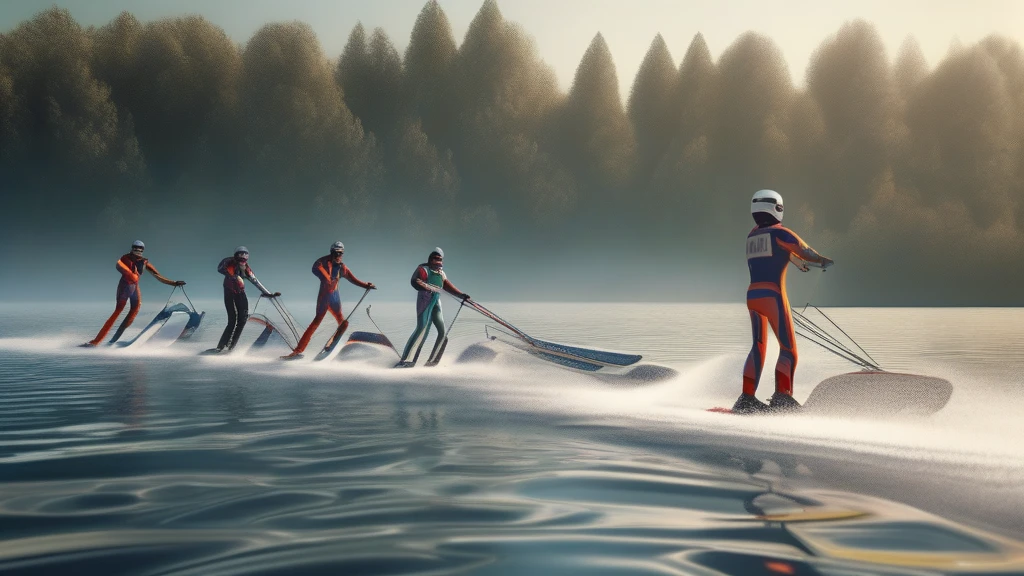
Water skiing is a thrilling water sport that combines skill, balance, and speed, offering something for everyone—from beginners seeking stable, easy-to-use gear to elite athletes pushing the limits of performance. The diversity in water skis available today reflects this wide range of user needs and preferences. Understanding the differences between ski types, materials, and designs can help you select the best equipment to enhance your experience on the water.
In this comprehensive comparison, we break down the main water ski categories—show skis, freestyle skis, speed and slalom skis, and beginner recreational skis—examining their key features, typical construction materials, and how these factors impact performance, durability, and safety. Along the way, we’ll provide helpful tips on choosing the right skis based on your skill level, skiing goals, and environmental considerations.
Understanding the Main Types of Water Skis
Water skis are engineered with specific purposes in mind, which influences their shape, size, material composition, and adjustability. Here’s a closer look at the four primary types you’ll encounter in the market:
1. Show Skis: Designed for Team Performances and Entertainment
Show skis are specialized for choreographed team routines and entertainment performances on the water. These skis tend to be wider and longer than other types, providing greater surface area to support stability and balance during synchronized moves and lifts.
- Materials & Construction: Show skis often incorporate durable fiberglass and polyurethane cores reinforced with carbon fiber or Kevlar layers to withstand the high-impact demands of lifts and tricks performed by multiple skiers.
- Adjustable Features: Detachable fins and customizable bindings allow performers to fine-tune control and comfort, adapting to varying water conditions and routine requirements.
- Safety Elements: Quick-release bindings and anti-slip surfaces are standard to ensure swift detachment in emergencies and secure footing during complex maneuvers.
2. Freestyle Skis: Optimized for Tricks and Advanced Maneuvers
Freestyle skis are shorter and lighter, designed to maximize agility for aerial tricks, spins, and jumps.
- Materials & Construction: Lightweight carbon fiber and fiberglass composites with polyurethane cores are common, offering a balance of flexibility and strength. Aluminum reinforcements may be included to enhance durability without adding excessive weight.
- Design Characteristics: A narrower profile and rocker shape (a curved base) allow for easier edge control and smoother transitions during jumps.
- Customization: Adjustable bindings and removable fins help skiers tailor their setup for responsiveness and stability during complex tricks.
3. Speed and Slalom Skis: Focusing on Racing and Agility
These skis are built for high-speed precision and tight turns, favored by competitive racers.
- Materials & Construction: Use of high-modulus carbon fiber combined with Kevlar reinforcements creates an ultra-light yet rigid structure, minimizing drag and maximizing responsiveness.
- Shape & Size: Narrower widths and longer lengths help achieve faster straight-line speeds and sharper slalom cuts.
- Performance Features: Fixed, sharp fins aid in grip during aggressive turns, while ergonomic bindings provide secure, comfortable foot placement for intense runs.
4. Beginner Recreational Skis: Prioritizing Stability and Ease of Use
For newcomers to water skiing, stability and user-friendliness are paramount.
- Materials & Construction: Durable fiberglass and polyurethane cores with a focus on impact resistance and weatherproofing. These skis often incorporate eco-friendly manufacturing processes, appealing to environmentally conscious users.
- Design Elements: Wider bodies and flat rocker profiles increase balance and reduce the learning curve.
- Safety & Comfort: Anti-slip surfaces, smooth edges, and quick-release bindings are standard to enhance safety and comfort during extended use.
Material Technologies and Their Impact on Performance
The materials used in water skis directly influence their weight, durability, flexibility, and environmental footprint. Here’s how the most common materials compare:
Carbon Fiber
- Advantages: Extremely lightweight and strong, carbon fiber enhances agility and responsiveness, making it a top choice for freestyle and racing skis.
- Durability: High impact resistance helps skis endure the stresses of jumps and aggressive maneuvers.
- Environmental Note: Some manufacturers now source carbon fiber with more sustainable practices, reducing carbon emissions during production.
Kevlar
- Advantages: Known for its toughness and ability to absorb shocks, Kevlar reinforcement adds extra durability without significantly increasing weight.
- Use Cases: Often combined with carbon fiber or fiberglass in skis used for show performances and racing.
- Safety Benefits: Enhances structural integrity, reducing the risk of breakage during high-impact activities.
Fiberglass
- Advantages: Fiberglass offers a balance of flexibility and strength, commonly used in beginner and recreational skis to provide forgiving performance.
- Durability: Weatherproof and resistant to water damage, ensuring long-lasting use.
- Eco Considerations: Fiberglass can be paired with sustainable resins to reduce environmental impact.
Polyurethane Cores
- Advantages: Lightweight and buoyant, polyurethane cores improve flotation and reduce overall ski weight.
- Performance Impact: Contributes to smooth ride quality and shock absorption.
- Sustainability: Some polyurethane foams are now manufactured with bio-based components to minimize ecological footprint.
Aluminum Reinforcements
- Purpose: Integrated into bindings or ski edges to enhance rigidity and longevity.
- Effect: Improves control and durability without adding excessive weight.
Customization and Adjustability: Fine-Tuning Your Ride
Adjustable and detachable components are critical for adapting skis to different water conditions, skill levels, and personal preferences:
- Bindings and Boots: Ergonomic designs with quick-release mechanisms improve comfort and safety. Adjustable sizing and positioning allow skiers to optimize foot placement for balance and control.
- Fins: Removable fins enable users to modify stability and turning capability. Larger fins offer more grip in choppy water, while smaller fins favor speed and agility.
- Rocker Profiles: Some skis feature variable rocker designs or interchangeable base plates to shift between maneuverability and stability.
Safety Features and Certifications
Water skiing involves inherent risks, making safety enhancements and compliance with international standards vital:
- Quick-Release Bindings: Allow rapid foot release to prevent injuries during falls.
- Anti-Slip Surfaces: Textured footbeds and bindings reduce the chance of slipping.
- Ergonomic Shapes and Smooth Edges: Minimize discomfort and injury risk.
- Certifications: Look for ISO, CE, TÜV, or Marine Safety approvals, which confirm that skis meet rigorous safety and quality benchmarks.
Portability and Maintenance
For skiers who travel frequently for competitions or shows, portability and upkeep are key considerations:
- Compact and Foldable Designs: Many water skis now feature foldable elements or compact shapes that fit conveniently into carry bags.
- Carry Bags and Repair Kits: Included accessories help protect skis during transport and facilitate on-the-go repairs.
- Maintenance Tips: Regular rinsing with fresh water after use, inspection of bindings and fins, and timely repairs extend ski lifespan and ensure continued safety.
Making the Right Choice: Matching Skis to Your Needs
To select the ideal water skis, consider the following:
- Skill Level: Beginners benefit from wide, stable recreational skis, while advanced riders should explore freestyle or slalom options tailored for performance.
- Intended Use: Show skiing demands skis with exceptional stability and durability. Racing requires lightweight, rigid skis optimized for speed, and freestyle focuses on agility.
- Water Conditions: Larger fins and sturdier construction suit choppy or rough waters, whereas flat, calm lakes allow for more responsive, lighter skis.
- Environmental Values: Opt for skis manufactured with eco-friendly materials and processes if sustainability is a priority.
- Safety Requirements: Ensure all equipment includes certified safety features and quick-release bindings.
Conclusion
Water skiing offers an exciting range of styles and challenges, and the right skis can make all the difference in your enjoyment and performance on the water. Whether you’re drawn to the spectacle of show skiing, the thrill of freestyle tricks, the speed of slalom racing, or simply want a stable platform to learn the ropes, understanding the distinct features, materials, and safety considerations of different water ski types empowers you to make an informed decision.
By prioritizing skis that combine advanced materials like carbon fiber and Kevlar with thoughtful design elements such as adjustable bindings and safety certifications, you’ll be well-equipped to elevate your water skiing experience—while also supporting durability, comfort, and environmental responsibility.
Happy skiing and stay safe on the waves!