
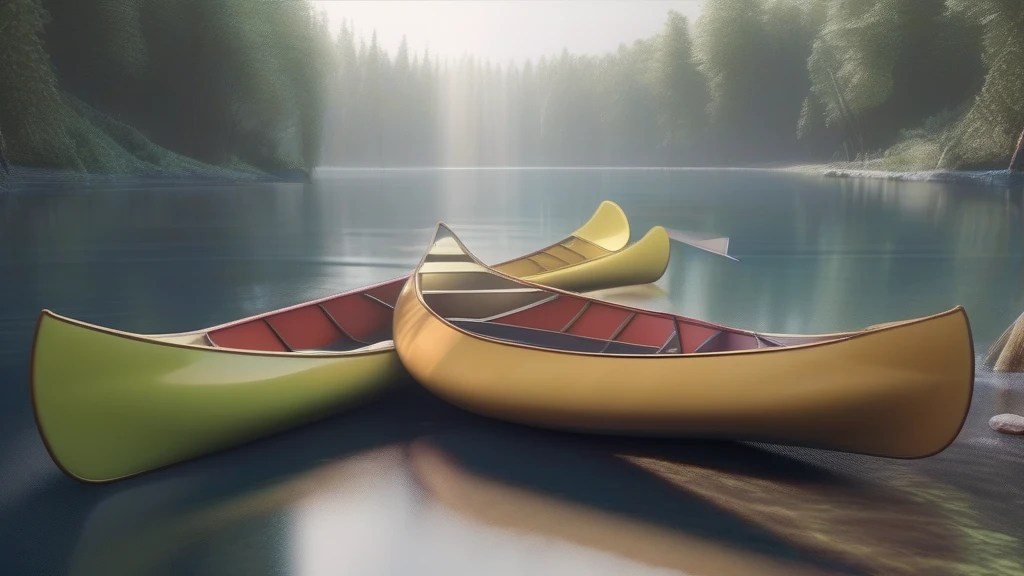
When it comes to outdoor water activities, few vessels combine tradition, versatility, and adventure quite like the canoe. Whether you’re planning a serene paddle across a calm lake, a fishing excursion on a slow river, or an extended wilderness camping trip, selecting the right canoe to suit varying weather conditions and environments is essential. This guide will help you understand how to weather-proof your canoeing adventures by choosing the right canoe type, materials, and features tailored for different climates and water conditions.
Understanding Canoe Designs for Diverse Weather
Canoes come in a variety of hull shapes, materials, and design features crafted to optimize performance, stability, and durability under different environmental stresses.
Hull Shapes and Their Weather Adaptability
-
Flat Bottom Hulls
These hulls offer excellent initial stability, making them ideal for calm waters like lakes and ponds. Their wide, flat design allows easy paddling and balance, which is perfect for beginners or family outings on sunny days. However, they may struggle in choppy or windy conditions due to reduced tracking and less ability to cut through waves. -
V-Bottom Hulls
V-shaped hulls excel in maneuverability and cutting through waves, making them suitable for breezy bays and gently flowing rivers. Their enhanced directional stability helps maintain control in moderate wind or chop, although they might feel less stable at rest compared to flat-bottom models. -
Round Bottom and Shallow Arch Hulls
These shapes provide a smooth ride over waves and can handle rougher water conditions better than flat bottoms. They offer a balance between speed and stability, favored by paddlers who encounter variable weather or water conditions.
Material Choices and Weather Resistance
Selecting a canoe material is critical for handling weather extremes such as UV exposure, temperature fluctuations, and moisture.
-
Fiberglass
Lightweight and rigid, fiberglass canoes provide a smooth finish that resists water absorption. They perform well in moderate conditions but may require extra care to avoid impact damage in rocky or shallow waters. -
Royalex
Known for its impact resistance and flexibility, Royalex is ideal for environments where you might encounter submerged logs or rocks. It handles cold water well without becoming brittle, making it a great choice for colder climates or unpredictable streams. -
Marine-Grade Polyethylene
Extremely durable and virtually maintenance-free, polyethylene is resistant to UV rays, scratches, and dents. Polyethylene canoes are heavier but excel in rugged, all-weather use and are particularly suitable for family or multipurpose recreational use. -
Kevlar Composites
Offering an ultra-lightweight and strong build, Kevlar canoes are perfect for portaging and long expeditions. They typically come with UV-resistant coatings, but require careful storage to prevent damage from prolonged sun exposure. -
Aluminum
Aluminum canoes are nearly indestructible and handle cold, wet environments exceptionally well. They conduct heat and cold rapidly, so paddlers need to dress accordingly in colder weather. Aluminum also offers a traditional metallic aesthetic paired with modern ruggedness. -
Inflatable Materials (PVC, Hypalon, Reinforced Vinyl)
Inflatable canoes stand out for portability and quick setup. Hypalon-coated inflatables are highly UV-resistant and withstand rough conditions better than PVC, which is lighter but less durable. Inflatable models excel in warm weather or when storage and transport space is limited, but may not be best suited for extreme cold or rocky waterways.
Matching Canoe Features to Weather and Environment
Beyond hull shape and materials, specific features can enhance your canoe’s performance and comfort in various conditions.
Stability and Comfort in Rough Weather
-
Padded or Webbed Seats
Comfortable seating with good support becomes crucial during longer trips in cold or wet weather, helping maintain paddler endurance. -
Gear Tie-Down Points and Dry Storage Hatches
Secure storage is vital to protect gear from rain or splashes. Dry hatches ensure sensitive equipment remains dry during sudden downpours or waves. -
Removable Portage Wheels and Transport Straps
These features ease the burden of moving your canoe between water bodies, especially in muddy or slippery conditions common after rain.
Portability and Quick Setup in Changing Weather
-
Inflatable Canoes with High-Pressure Pumps and Repair Kits
Inflatable models allow you to adapt quickly to weather changes by packing up easily before storms or moving your watercraft to sheltered locations. -
Lightweight Kevlar or Fiberglass Models
These facilitate swift portaging when weather deteriorates, ideal for wilderness campers who need to cover ground on foot.
Safety Certifications and Durability
-
ISO, TÜV, and CE Certifications
These safety and quality certifications assure you that the canoe meets rigorous standards for construction and durability under various conditions. -
Warranties
A warranty ranging from 1 year to lifetime hull guarantees reflects manufacturer confidence and provides peace of mind when facing unpredictable weather and terrain.
Practical Tips for Weather-Proof Canoeing Adventures
Preparing for Rain and Wet Conditions
- Opt for canoes with dry storage compartments or use additional waterproof bags.
- Wear quick-drying, moisture-wicking apparel and bring waterproof gear.
- Carry a repair kit, especially with inflatable canoes, to fix punctures quickly.
Handling Wind and Waves
- Choose a canoe with a V-bottom or shallow arch hull for better tracking and wave-cutting.
- Consider heavier, more stable polyethylene models that resist tipping.
- Use adjustable paddles and secure seating to maintain control.
Cold Weather Considerations
- Select materials like Royalex or aluminum that tolerate cold without cracking.
- Use insulating seat cushions and dress in layered, moisture-wicking fabrics.
- Keep gear in dry storage hatches to prevent freezing or water damage.
Hot and Sunny Weather
- UV-resistant materials like Hypalon inflatables or marine-grade polyethylene reduce sun damage.
- Choose canoes with ventilated or webbed seats for airflow.
- Apply UV-protective coatings or covers when storing outdoors.
Choosing the Right Canoe for Your Weather Conditions
| Environment | Recommended Hull Shape | Ideal Material(s) | Notable Features |
|---|---|---|---|
| Calm Lakes & Ponds | Flat Bottom | Fiberglass, Marine-Grade Polyethylene | Comfortable padded seats, dry storage |
| Slow Rivers & Streams | V-Bottom or Shallow Arch | Royalex, Aluminum | Gear tie-downs, portage wheels |
| Windy Bays & Choppy Water | V-Bottom or Round Bottom | Marine-Grade Polyethylene, Kevlar | Stability-enhancing hull, secure storage |
| Wilderness Expeditions | Shallow Arch or Asymmetrical | Kevlar, Royalex | Lightweight, removable components, repair kit |
| Portability & Travel | Inflatable (PVC, Hypalon) | PVC for lightness, Hypalon for durability | Compact roll-up, high-pressure pump, repair kit |
Conclusion
Selecting a canoe that can weather-proof your adventure means balancing hull design, construction materials, and practical features tailored to the specific environments and weather you expect to encounter. From the traditional charm and durability of Royalex and aluminum canoes to the convenience and portability of inflatable Hypalon models, there’s a canoe to fit every paddler’s needs.
By understanding these product characteristics and matching them to your intended use—whether a family outing on a sunny lake, a fishing trip in a breezy bay, or a rugged wilderness expedition—you can confidently choose a canoe that ensures safety, comfort, and enjoyment in all conditions. Prepare smartly, equip wisely, and let your canoeing adventures thrive come rain, shine, or wind.