
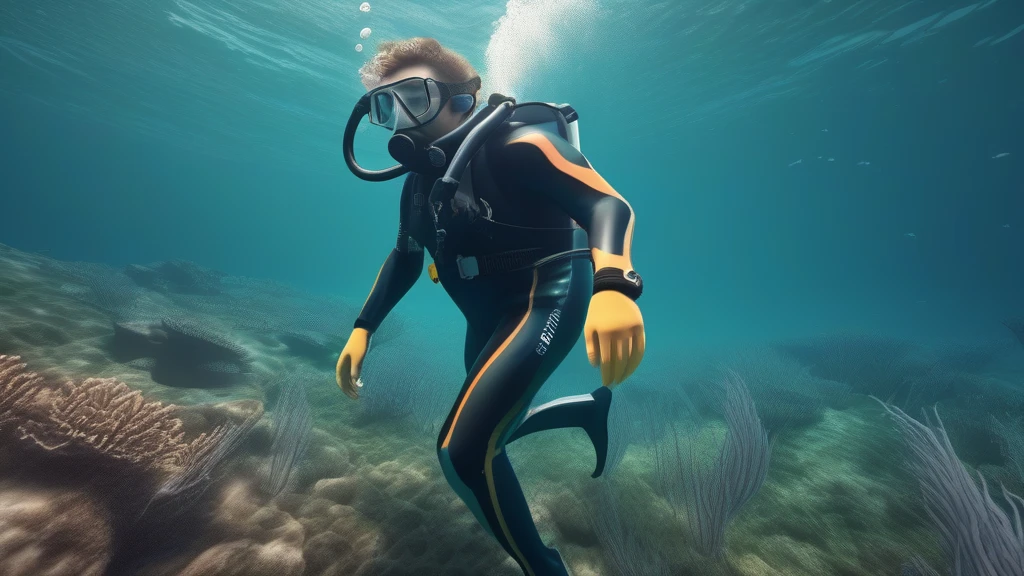
Exploring the underwater world is an exhilarating experience, but the success and enjoyment of your aquatic adventures often hinge on the quality and suitability of your gear. Among the most critical pieces of equipment are your diving and snorkeling fins. Selecting fins that perform well across varying weather conditions and environments is essential for comfort, efficiency, and safety. This guide will help you understand how to choose the right fins that stand up to diverse weather challenges, optimize your underwater propulsion, and suit your particular style of diving or snorkeling.
Understanding Weather and Environmental Challenges for Diving Fins
Before diving into product features, it's important to grasp how different weather conditions and aquatic environments impact your fins:
- Cold Water and Low Temperatures: Exposure to chilly water can affect fin materials, potentially making them brittle or less flexible.
- Tropical and UV-Intensive Environments: Strong sunlight and saltwater accelerate wear and UV degradation.
- Rough or Rocky Coastal Areas: Abrasion resistance becomes vital to avoid damage from contact with reefs, rocks, or boat surfaces.
- Variable Water Conditions: Currents, waves, and tides demand fins that provide efficient propulsion and control without excessive fatigue.
- Travel and Portability Needs: Weather unpredictability and travel constraints necessitate compact, durable fins with easy maintenance.
Selecting fins that weather-proof your underwater experience means considering these factors alongside your diving style and skill level.
Key Features to Look for in Weather-Resistant Diving and Snorkeling Fins
1. Material Durability and Environmental Resistance
Fins constructed from materials like carbon fiber, fiberglass, and thermoplastic rubber offer a balance of strength, flexibility, and lightweight performance. Carbon fiber and fiberglass blades provide exceptional propulsion efficiency and resistance to deformation in cold waters, maintaining blade integrity without becoming brittle.
Thermoplastic rubber and silicone components in foot pockets and straps enhance abrasion resistance and UV protection, critical for tropical environments where prolonged sun exposure can degrade inferior materials. Look for fins that also emphasize eco-friendly and recyclable materials, reflecting a commitment to sustainability without sacrificing durability.
2. Blade Design for Optimized Propulsion in Varying Conditions
Different blade technologies can influence how well fins perform under distinct weather and water conditions:
- Split Blades: These reduce drag by allowing water to pass through the blade’s split, improving energy efficiency and reducing leg fatigue—ideal for long dives in cold or choppy waters.
- Vented Blades: Vents help channel water flow and reduce resistance, enhancing maneuverability in turbulent conditions.
- Paddle Blades: Traditional and versatile, paddle blades offer strong thrust, but can be more tiring over time, especially in rough currents.
- Flexible Blades: Especially favored in warmer waters, flexible blades adapt well to different kick styles and reduce muscle strain.
Choosing the right blade type can significantly affect your underwater endurance and control, particularly in challenging weather.
3. Adjustable and Secure Fit for Comfort and Safety
Weather fluctuations often mean changing gear layers or wetsuit thicknesses, so adjustable fins are indispensable. Features to consider include:
- Open or Closed Heel Foot Pockets: Closed heel designs offer a snug fit and warmth retention in cold waters. Open heel fins with adjustable quick-release straps accommodate wetsuit boots and facilitate easy removal.
- Stretchable Straps and Quick-Release Buckles: Allow rapid adjustment of fin tightness, ensuring comfort without restricting circulation during extended dives.
- Ergonomic Footbeds: Materials like neoprene or silicone footbeds provide cushioning and reduce chafing, which enhances comfort in variable water temperatures.
A well-fitted fin reduces the risk of blisters, cramps, and accidental loss in rough conditions.
4. Portability and Travel-Friendly Features
For adventurers who dive across varying climates and geographic regions, compact, foldable fins with included travel bags offer weather-proof convenience. These designs minimize luggage space and protect fins from sun, salt, and physical damage during transit. Lightweight materials further ease carrying without compromising performance.
Matching Fins to Your Diving Style and Weather Conditions
Beginner Recreational Snorkelers: Comfort and Versatility
If you’re new to snorkeling or casual diving, opt for fins with:
- Adjustable open heel designs for easy fitting over neoprene boots in colder water.
- Paddle blades that provide steady propulsion with minimal learning curve.
- Durable thermoplastic rubber blades with UV protection to withstand frequent sun exposure.
- Anti-slip soles to ensure safety when walking on wet boat decks or rocky shores.
These features support comfort and reliability across most weather conditions without complex maintenance.
Freedivers: Precision and Energy Efficiency in Variable Waters
Freediving demands fins that maximize propulsion with minimal energy use. For this:
- Choose fins with extra-long, flexible blades made from carbon fiber or fiberglass to generate powerful thrusts in cold or warm water.
- Look for split or vented blade designs that reduce drag and allow fluid movement in currents.
- Opt for closed heel foot pockets to maintain warmth and achieve a snug fit for precise control.
- Select eco-friendly materials that tolerate sun and salt exposure during extended dives.
These fins provide the responsiveness and durability freedivers need in all conditions.
Technical and Professional Divers: High Performance and Durability
Technical divers operating in challenging environments should prioritize:
- Stiff blades constructed from carbon fiber or fiberglass for uncompromised propulsion in deep, cold water.
- Adjustable heel straps with quick-release buckles for rapid gear changes.
- Enhanced abrasion resistance and UV protection to withstand harsh marine environments.
- Compliance with ISO, CE, or TÜV certifications to ensure quality and safety standards.
- High visibility colors for underwater safety in low-light or murky conditions.
Such fins deliver the robustness and precision essential for demanding dives.
Underwater Photographers: Maneuverability and Stability
For photographers needing fine control to position themselves without disturbing marine life:
- Opt for vented or split blades that allow gentle, controlled movements.
- Choose fins with ergonomic, cushioned foot pockets for long sessions.
- Prioritize fins with anti-slip soles for safe movement on slippery surfaces.
- Select models with compact, travel-friendly designs for easy transport between dive sites.
These features enable smooth, fatigue-free navigation through varied underwater environments.
Caring for Your Fins to Maximize Weather Resistance and Longevity
Regular maintenance is key to preserving your fins’ weatherproof qualities:
- Rinse thoroughly with fresh water after use to remove salt, sand, and chlorine.
- Dry fins in the shade, avoiding direct sunlight to prevent UV damage.
- Inspect straps and buckles for wear and replace parts when necessary.
- Store fins flat or in their travel bags to prevent warping.
- Apply silicone lubricant on adjustable mechanisms to ensure smooth operation.
Proper care extends fin life across seasons and environments, making your investment worthwhile.
Final Thoughts
Choosing the right diving and snorkeling fins to weather-proof your adventures requires balancing material durability, blade design, fit, and portability with your specific diving needs and local environmental conditions. Whether you’re a beginner snorkeler braving sunny tropical reefs or a technical diver exploring cold shipwrecks, understanding these features helps you select fins that provide efficient propulsion, comfort, and lasting performance. By investing in fins crafted from advanced, eco-friendly materials with thoughtful design innovations, you ensure your underwater journeys remain enjoyable, safe, and resilient no matter the weather.