
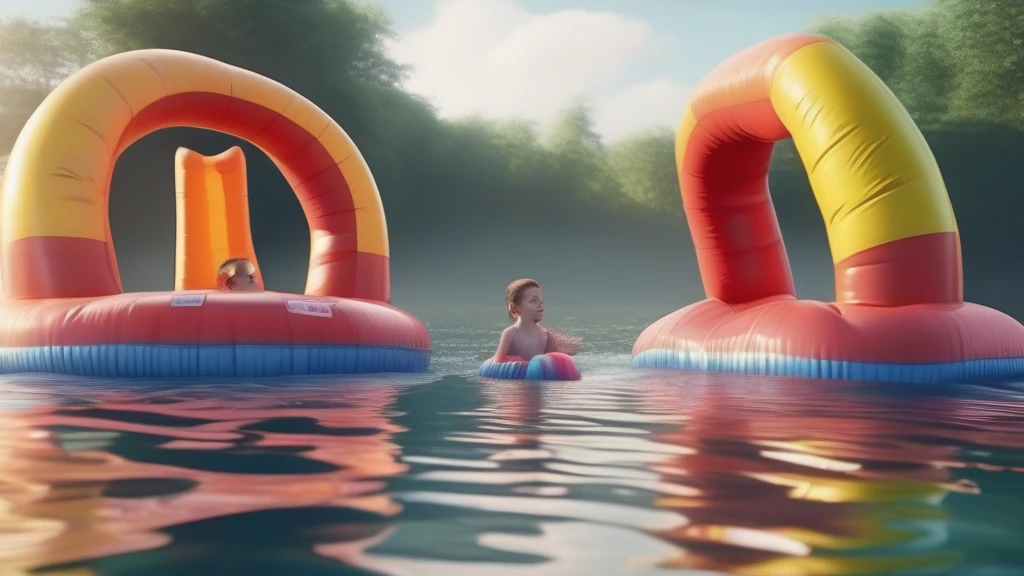
When it comes to outdoor aquatic fun, inflatable bouncers have become a favorite choice for families, water enthusiasts, and casual play seekers alike. These vibrant, durable platforms offer an engaging way to bounce, jump, and lounge on lakes, pools, and calm seaside areas. However, selecting the right inflatable bouncer and getting the most from it requires a good understanding of how weather and environment can affect your experience and the product’s longevity. This guide will help you weather-proof your inflatable bouncer adventure by navigating product features and best practices tailored to different weather conditions and aquatic settings.
Understanding Inflatable Bouncers: Key Features and Benefits
Before diving into weather considerations, it’s helpful to review what makes inflatable water bouncers special. Typically, these products feature:
- Generous diameters: Ranging from 8 to 12 feet, allowing 2 to 4 users to enjoy simultaneously.
- Robust materials: High-quality, puncture-resistant PVC or vinyl blends that ensure durability and safety on the water.
- Bright color schemes: Vibrant blues, reds, oranges, and yellows enhance visibility for safety and aesthetic appeal.
- User-friendly design: Quick inflation/deflation mechanisms and portability make setup straightforward.
- Safety-focused construction: Rounded edges, secure air chambers, and stable platforms reduce risk during active use.
These characteristics are designed to maximize fun and safety across a variety of water environments, from calm pools to serene lake surfaces.
Weather Conditions and Their Impact on Inflatable Bouncers
Sun and Heat
Challenges:
- Prolonged exposure to direct sunlight can cause material degradation, fading, and weakening of seams.
- Heat increases internal air pressure, potentially stressing air chambers and valves.
Tips for Sun Protection:
- Opt for bouncers made with UV-resistant coatings to prevent color fading and material brittleness.
- Inflate slightly below maximum pressure to accommodate expansion on hot days.
- Use a protective cover or store the bouncer in shaded areas when not in use.
- Schedule play sessions during morning or late afternoon to avoid peak sun intensity.
Wind and Waves
Challenges:
- Strong winds can push inflatable bouncers off position or tip smaller models.
- Choppy water creates instability, increasing the risk of falls or damage.
Tips for Wind and Wave Management:
- Choose larger diameter bouncers (10-12 feet) for enhanced stability.
- Look for models with multiple air chambers to maintain buoyancy even if one chamber is compromised.
- Use anchor kits or tie-downs designed for water inflatables to secure your bouncer in place.
- Avoid using inflatable bouncers in rough or open water; they are best suited for calm, protected environments.
Cold Weather
Challenges:
- Cold temperatures can make materials less flexible and more prone to cracking.
- Rapid temperature changes might stress seams and valves.
Tips for Cold Weather Use:
- If you plan to use your bouncer in cooler climates, select models with thicker, reinforced material.
- Allow the inflatable to warm up to ambient temperature before inflating.
- After use, dry thoroughly and store indoors away from freezing conditions to prevent damage.
Rain and Humidity
Challenges:
- Water accumulation on the surface can make the platform slippery.
- High humidity may encourage mold or mildew if not properly dried and stored.
Tips for Rainy Conditions:
- Opt for bouncers with textured, non-slip surfaces for safer footing during wet conditions.
- After use in humid or rainy weather, deflate and dry completely before storage.
- Use breathable storage bags to reduce moisture buildup.
Selecting the Right Inflatable Bouncer for Your Environment
Size and Capacity Considerations
- Small (8-foot diameter): Best for intimate family use with 2 users, suitable for smaller pools or calm lake spots.
- Medium (10-foot diameter): Accommodates 3 users comfortably, balancing portability with stability.
- Large (12-foot diameter): Ideal for 4 or more users, providing maximum stability and space for active play on lakes or calm seaside areas.
Consider the typical water conditions and number of users when choosing size — larger platforms offer better stability in variable weather but require more space and effort to transport.
Material Durability and Construction
- Look for heavy-duty, puncture-resistant PVC or vinyl with reinforced seams.
- UV-resistant finishes prolong color vibrancy and material life under intense sun.
- Multiple air chambers enhance safety and stability.
- Non-slip textured surfaces improve safety on wet days.
Portability and Setup Ease
- Models featuring quick-inflate valves and lightweight designs cater to casual users who want hassle-free setup.
- Consider carry bags or compact deflation sizes, especially if you plan to travel frequently with your inflatable.
Best Practices for Weather-Proof Use and Maintenance
Pre-Use Preparation
- Inspect the inflatable for any signs of wear, tears, or valve issues.
- Check weather forecasts and avoid use during storms or high winds.
- Bring along a repair kit designed for puncture fixes.
During Use
- Monitor air pressure regularly, especially on hot days.
- Limit the number of simultaneous users to avoid overloading.
- Use safety gear such as life jackets, particularly for children or non-swimmers.
Post-Use Care
- Rinse the bouncer with fresh water to remove chlorine, salt, or debris.
- Air dry completely before folding to prevent mold growth.
- Store in a cool, dry place away from direct sunlight.
- Perform regular maintenance checks to catch small issues early.
Creative Water Games and Activities for All Seasons
Inflatable bouncers offer versatile play opportunities that can be adapted to different weather:
- Sunny days: Host family bounce competitions or water tag games.
- Windy but calm lakes: Use the bouncer as a base for paddleboard races or floating picnics.
- Cooler weather: Combine with wetsuits for extended play time, turning your bouncer into a social floating lounge.
Conclusion
Inflatable bouncers bring endless joy and social interaction to aquatic environments, but weather conditions play a critical role in maximizing safety, durability, and fun. By selecting products thoughtfully—considering size, material strength, and stability—and following practical weather-proofing strategies, you can extend your bouncer’s lifespan and enjoy countless memorable water adventures. Whether lounging under a gentle sun, bouncing on a serene lake, or splashing in a family pool, the right inflatable bouncer stands ready to turn any water day into an unforgettable experience.