
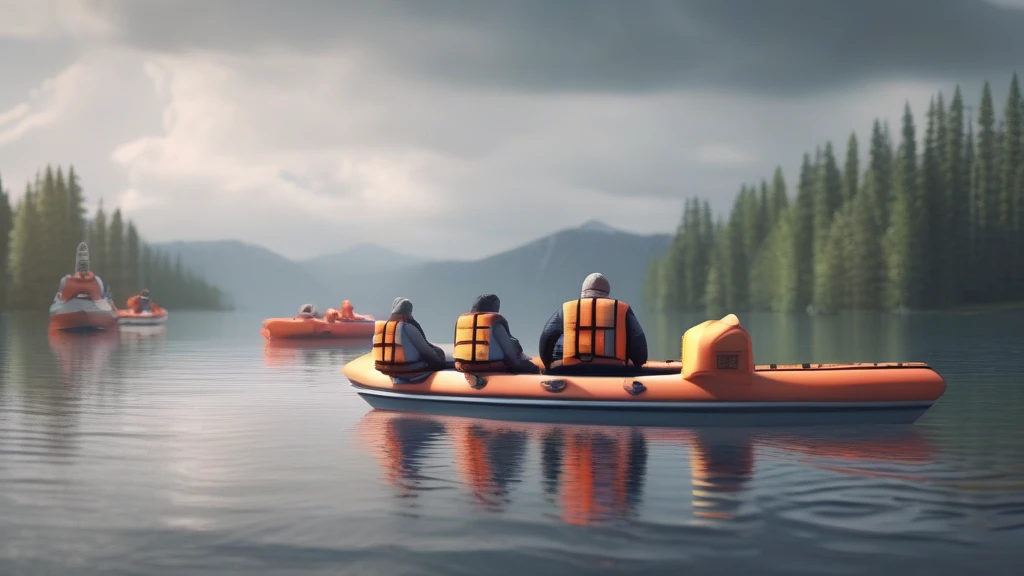
When it comes to boating and water sports, safety is paramount. One of the most critical pieces of equipment for any water-based activity is a life jacket—a personal flotation device designed to keep you afloat and safe regardless of the conditions you face. However, not all life jackets are created equal. Weather conditions, activity types, and environmental factors all influence the type of life jacket best suited for your adventure. This guide explores how to weather-proof your aquatic excursions by selecting the right life jacket for all conditions, ensuring comfort, safety, and preparedness.
Understanding Life Jacket Types: Matching Safety to Conditions
The U.S. Coast Guard classifies life jackets into five types, each designed with specific buoyancy levels and use cases. Knowing these categories helps you choose a life jacket that matches your planned activities and expected weather or water conditions.
Type I: Offshore Life Jackets for Rough Weather
- Purpose: Designed for offshore use, these jackets offer maximum buoyancy (typically 22 pounds or more) and are built to turn an unconscious wearer face-up in rough, open waters.
- Best for: Commercial mariners, offshore fishermen, sailors, and anyone venturing far from shore where rescue might be delayed.
- Weather-proof features: Constructed from durable, UV-resistant ripstop nylon or marine-grade vinyl, these jackets withstand harsh sun exposure and saltwater corrosion. They often include reflective tape and emergency light mounts for night or low-visibility conditions.
Type II: Near-Shore Vests for Moderate Conditions
- Purpose: Provide moderate buoyancy (around 15.5 pounds) suitable for calmer, near-shore environments.
- Best for: Recreational boaters, anglers, and families engaged in day trips on lakes or protected bays.
- Weather-proof features: Typically made from polyester fabrics with closed-cell foam cores, these jackets offer quick-drying properties and incorporate high-visibility colors (orange, yellow) for increased rescue readiness.
Type III: Recreational Life Jackets for Active Sports
- Purpose: Designed for comfort and freedom of movement with standard buoyancy levels, these jackets are ideal for activities requiring mobility.
- Best for: Kayakers, paddleboarders, and sailors in calm conditions.
- Weather-proof features: Lightweight polyester shells with hybrid foam cores and ergonomic fits enable prolonged wear. Many feature adjustable, reinforced buckles and anti-slip designs to hold secure during active use.
Type IV: Throwable Devices for Emergency Preparedness
- Purpose: Non-wearable flotation devices such as cushions or ring buoys meant to be thrown to a person in distress.
- Best for: Emergency kits on boats, docks, or rescue operations.
- Weather-proof features: Made with marine-grade vinyl or tough polyester, these devices resist UV damage and waterlogging, maintaining buoyancy and visibility in all weather.
Type V: Specialized Jackets for Unique Needs
- Purpose: Adapted for specific uses like windsurfing, water skiing, or commercial rescue, with varying buoyancy and features.
- Best for: Rescuers, commercial mariners, and specialized sport enthusiasts.
- Weather-proof features: Often incorporate inflatable bladder technology for compactness and enhanced buoyancy, combined with durable outer shells engineered for harsh marine environments.
Material Innovations and Sustainability: Durable Yet Eco-Conscious
Modern life jackets are evolving beyond traditional materials, incorporating innovations that enhance weather resistance and sustainability.
- UV-Resistant Fabrics: Ripstop nylon and marine-grade vinyl resist sun degradation, maintaining structural integrity and color vibrancy after prolonged exposure.
- Closed-Cell & Hybrid Foam Cores: These cores ensure consistent buoyancy even when wet, with hybrid designs combining foam and inflatable bladders for flexibility.
- Inflatable Technology: Inflatable life jackets use CO₂ cartridges to provide buoyancy on demand, reducing bulk and improving comfort. Their outer shells are often made from tough polyester with waterproof coatings.
- Eco-Friendly Manufacturing: Some manufacturers now use biodegradable coatings and recyclable foams, reducing environmental impact without compromising durability.
Activity-Specific Features: Tailoring Life Jackets to Your Sport
Choosing a life jacket that complements your specific water activity improves both safety and enjoyment.
Kayaking and Paddleboarding
- Look for Type III life jackets with ergonomic cuts allowing unrestricted arm movement.
- Adjustable buckles and anti-slip belts keep the jacket secure during strokes.
- Bright colors and reflective strips improve visibility on open water.
- Lightweight, quick-dry materials prevent discomfort during extended use.
Fishing and Commercial Maritime Use
- Opt for Type I or Type V jackets offering high buoyancy and durability.
- Reinforced stitching and abrasion-resistant fabrics withstand heavy wear and exposure to gear.
- Emergency accessories like whistles, rescue handles, and light mounts enhance safety.
- Inflatable options provide compactness when working on deck but deliver instant flotation if needed.
Sailing and Recreational Boating
- Type II or III jackets with moderate buoyancy and comfortable fits suit day trips.
- Features like quick-release buckles and adjustable straps accommodate layering for colder weather.
- UV-resistant materials protect against sun damage during long sails.
- High-visibility colors and reflective tape increase rescue chances in emergencies.
Essential Safety Features for All Conditions
When weather-proofing your life jacket choice, consider these critical features that enhance safety in challenging environments:
- Reflective Tape & Glow-in-the-Dark Strips: Vital for low-light or foggy conditions, these increase visibility to rescuers.
- Adjustable & Reinforced Buckles: Ensure a snug, secure fit that won’t loosen during active movement or rough waves.
- Quick-Release Mechanisms: Allow rapid removal in emergencies or for ease of use.
- Emergency Whistles: Provide a loud signal to alert nearby boats or rescuers.
- Rescue Handles: Facilitate easy grabbing and pulling during rescues.
- Emergency Light Mounts: Enable attachment of waterproof lights for night-time signaling.
Proper Fit and Maintenance: Maximizing Safety and Longevity
A life jacket’s effectiveness depends significantly on fit and upkeep.
Ensuring a Secure Fit
- The jacket should fit snugly without restricting movement.
- Adjustable straps allow customization for varying body types and clothing layers.
- For children, select models sized specifically for their weight and chest circumference.
- Test fit by ensuring the jacket doesn’t ride up when lifted at the shoulders.
Maintenance Tips
- Rinse thoroughly with fresh water after exposure to salt or chlorine.
- Air dry in shade to prevent UV damage and mildew.
- Regularly inspect for tears, broken buckles, or compromised flotation.
- Store in a cool, dry place away from direct sunlight.
- Follow manufacturer guidelines for inflatable jacket servicing and CO₂ cartridge replacement.
Decoding Certifications: Guaranteeing Reliable Protection
Understanding safety certifications helps verify life jacket quality and compliance.
- U.S. Coast Guard (USCG) Approval: Indicates the life jacket meets strict buoyancy, design, and performance standards for various types.
- ISO & CE Certifications: European and international standards focusing on material quality and safety performance.
- TÜV Certification: German testing body ensuring rigorous quality control and reliability.
Purchasing jackets with these certifications ensures tested and proven performance under expected conditions.
Inflatable Life Jackets: Advantages and Considerations
Inflatable life jackets blend compactness with effective buoyancy, making them appealing for many users.
Advantages
- Lightweight and less bulky than foam jackets, enhancing comfort.
- Inflate automatically upon immersion or manually via pull cord.
- Ideal for experienced swimmers engaging in offshore or calmer water sports.
- Often made with durable polyester shells and coated fabrics for weather resistance.
Considerations
- Require regular maintenance and cartridge replacement.
- Not recommended for non-swimmers or children without additional flotation.
- May have limited buoyancy compared to Type I foam jackets in rough conditions.
Emergency Preparedness: Throwable Devices Complementing Wearable Jackets
In any boating or water sport scenario, having throwable flotation devices enhances overall safety.
- Cushions and Ring Buoys (Type IV): Provide immediate flotation assistance to persons overboard.
- Constructed from UV-resistant marine vinyl or polyester, these devices maintain buoyancy and visibility in all weather.
- Strategically place throwable devices on boats and docks for quick access.
- Regularly inspect and replace worn or damaged throwables to ensure reliability.
Conclusion
Selecting the right life jacket is more than just a safety checklist—it’s about understanding how weather, water conditions, activity type, and environmental factors affect your flotation needs. From the robust, high-buoyancy Type I jackets engineered for offshore storms to the sleek, ergonomic Type III vests designed for paddleboarding on calm lakes, there is a life jacket tailored to every adventure.
By prioritizing material durability, safety features, proper fit, and regulatory certifications, and by considering innovations like inflatable technology and eco-conscious manufacturing, you can confidently weather-proof your boating and water sport experiences. Coupled with emergency preparedness tools like throwable cushions and ring buoys, you’ll be well-equipped to stay safe and comfortable no matter what conditions arise on the water.