
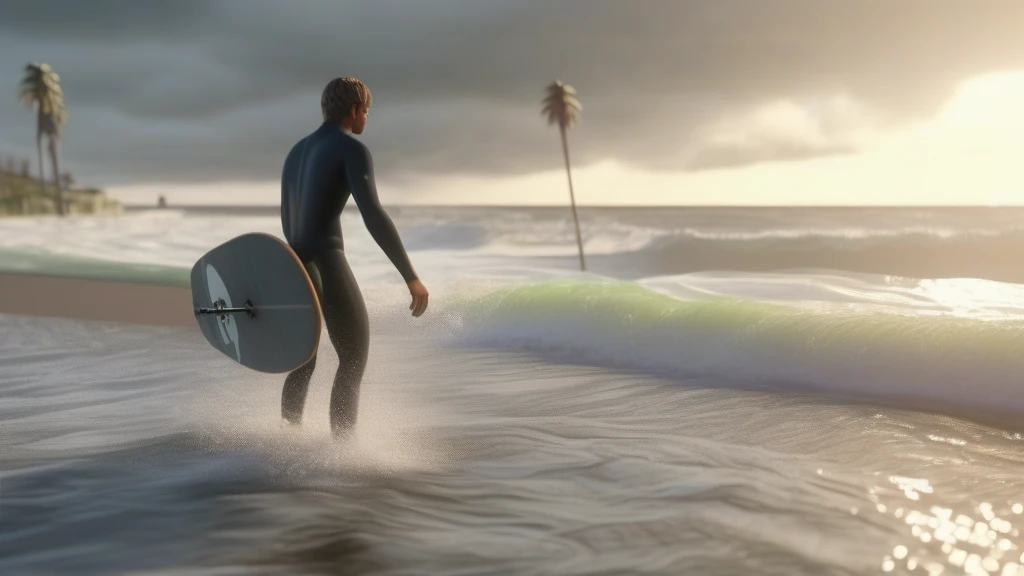
Longboard surfing is a timeless pursuit that blends grace, style, and connection with the ocean. Whether you’re a beginner catching your first waves, a recreational cruiser enjoying mellow surf, or an advanced rider mastering noserides and freestyle maneuvers, having the right longboard surfboard suited for varying weather and wave conditions is essential. This guide will help you understand how to select and prepare longboard surfboards that perform reliably across different environments, ensuring your surfing adventures remain smooth, safe, and enjoyable — rain or shine.
Understanding the Impact of Weather and Environment on Longboard Surfing
Surfing conditions are heavily influenced by weather factors such as wind, temperature, wave size, and water conditions. These variables affect not only the waves you ride but also how your surfboard behaves on the water.
- Wind: Offshore winds generally produce clean, well-shaped waves, ideal for longboarding. Onshore winds create choppy, less predictable surfaces.
- Temperature: Cold water and air temperatures demand boards with enhanced durability and grip (e.g., anti-slip decks) and possibly thicker wetsuits for comfort.
- Sun Exposure: UV radiation can degrade board materials over time, causing yellowing, brittleness, or delamination.
- Saltwater Corrosion and Impact: Continuous exposure to saltwater and rocks requires boards built with corrosion-resistant materials and reinforced construction.
Selecting a longboard designed to withstand these weather-related challenges enhances longevity and performance.
Key Longboard Features for All-Weather Performance
1. Material Durability and Construction
Longboards vary widely in materials and construction, which directly impact their resistance to weather stresses:
- Epoxy Resin: Epoxy-constructed boards are lightweight, highly durable, and resistant to dings and water absorption. They handle UV exposure better than traditional polyester fiberglass boards, making them excellent for sunny, tropical environments.
- Fiberglass with Polyurethane Foam Core: This classic construction offers a smooth ride but can be more vulnerable to impact damage and UV degradation. Boards with fiberglass are often preferred for their traditional flex and feel but require more maintenance.
- Carbon Fiber Reinforcements: Increasingly common in performance longboards, carbon fiber adds stiffness and strength without weight penalty, providing enhanced longevity under rough conditions.
- Eco-Friendly Materials: Boards made using sustainable foams, recycled resins, and low VOC (volatile organic compounds) processes appeal to environmentally conscious surfers and may feature added UV protection and impact resistance.
2. Rocker Profiles Tailored to Conditions
The rocker — the curve of the board from nose to tail — influences how the board handles different wave types:
- Flat Rocker: Ideal for small, mellow waves and flat water, flat rocker longboards maximize glide and speed, but can be prone to nose-diving on steeper waves.
- Moderate Rocker: Offers versatility for a wide range of conditions, balancing speed with maneuverability. This profile suits surfers who encounter varying wave sizes and need adaptability.
- High or Continuous Rocker: Better for steep, powerful waves, helping the board to turn sharply and avoid pearling. This rocker profile is useful in windy or rough ocean environments.
Selecting a rocker profile that matches typical local weather and wave conditions improves control and safety.
3. Tail Shapes for Stability and Control
Tail design significantly affects how your longboard responds to weather differences:
- Round Tail: Provides smooth, flowing turns and stability — great for cruising on clean, gentle waves typical of calm weather.
- Squash Tail: Offers a balance of control and maneuverability, effective in variable conditions with moderate chop.
- Pin Tail: Enhances hold on steep, powerful waves and in windy conditions, reducing the chance of sliding out.
- Swallow Tail: Adds extra bite and sharper turns, useful in rough, fast-breaking surf.
- Square Tail: Maximizes speed and lift but may be less stable in choppy water.
Choosing the tail shape with your typical weather and wave environment in mind helps maintain confidence during unpredictable conditions.
4. Fin Setups to Match Water Dynamics
The fin configuration influences tracking, turning responsiveness, and stability—key factors when weather changes alter wave behavior.
- Single Fin: Classic setup offering smooth, stable rides on clean waves; ideal for calm, offshore conditions.
- 2+1 Setup (Single Large Center + Two Small Side Fins): Provides stability and versatility, adapting well to choppy water and variable winds.
- Thruster (Three Fins): Enhances maneuverability and control in rough or powerful surf, helping maintain grip on steeper waves.
- Quad Fin: Delivers speed and drive, excellent for fast, hollow waves often seen in stormy weather.
Adjustable or foldable fin systems improve portability and allow fine-tuning for changing surf conditions.
5. Safety Certifications and Protective Features
For weather-proof longboarding, safety cannot be overlooked:
- UV-Resistant Coatings: Protect the board’s surface from sun damage, preserving structural integrity and appearance.
- Impact Resistance: Reinforced edges and durable materials reduce damage from accidental collisions with rocks or other surfers.
- Smooth Edges: Prevent injuries during wipeouts and reduce wear on protective gear.
- Certified Standards (ISO, CE, TÜV): Ensure the board meets quality, safety, and environmental criteria—particularly important for novice surfers or rental fleets.
6. Accessories That Boost Weather Preparedness
Carrying the right accessories can make all the difference in adverse weather:
- Carry Bags: Padded, water-resistant bags shield boards from sun, rain, and transport damage.
- Leashes: Strong, reliable leashes with quick-release mechanisms prevent board loss in strong surf.
- Wax Kits: Specialized wax suited for various water temperatures improves grip on slippery decks.
- Repair Kits: Handy for on-the-go fixes from dings or cracks caused by unpredictable weather.
Practical Tips for Choosing Weather-Resilient Longboard Surfboards
Evaluate Your Local Surf Environment
Assess the typical weather patterns, wave sizes, and water temperatures where you surf most often. If you regularly encounter cold, choppy waters with onshore winds, a moderate rocker longboard with a 2+1 fin setup and durable epoxy construction may be ideal. Conversely, if you surf in warm, sunny climates with gentle offshore breezes, a flat rocker board with a classic single fin and UV-resistant fiberglass might suit you best.
Prioritize Versatility if Traveling
If your surfing adventures take you to diverse locations, look for longboards with adaptable fin systems, moderate rocker profiles, and robust construction materials like epoxy and carbon fiber. Portability features like foldable fins and protective bags also ease transportation through varying climates.
Match Board Size and Shape to Skill and Conditions
Beginners benefit from wider, softer tops and rounded tails for stability in unpredictable weather. Advanced surfers can opt for narrower, performance-oriented shapes with specialized tail designs and higher rocker profiles to tackle challenging conditions confidently.
Consider Eco-Friendly Options
Sustainable longboards often incorporate durable, weather-resistant materials while reducing environmental impact. These boards frequently include UV protection and impact resistance, ensuring both performance and planet-friendly credentials.
Conclusion
Weather-proofing your longboard surfing adventure involves more than just packing extra gear—it means selecting a surfboard designed to perform and endure under a variety of environmental stresses. By carefully considering construction materials, rocker profiles, tail shapes, fin setups, and protective features, you can find a longboard surfboard that meets your needs across all weather conditions. Whether cruising gentle waves on a sunny day or mastering steep, windy surf, the right longboard equips you to embrace every swell with confidence and style.
Embrace the ocean’s unpredictability by choosing longboard surfboards engineered for resilience, adaptability, and safety—your ultimate companions in weather-proofing your surfing journey.