
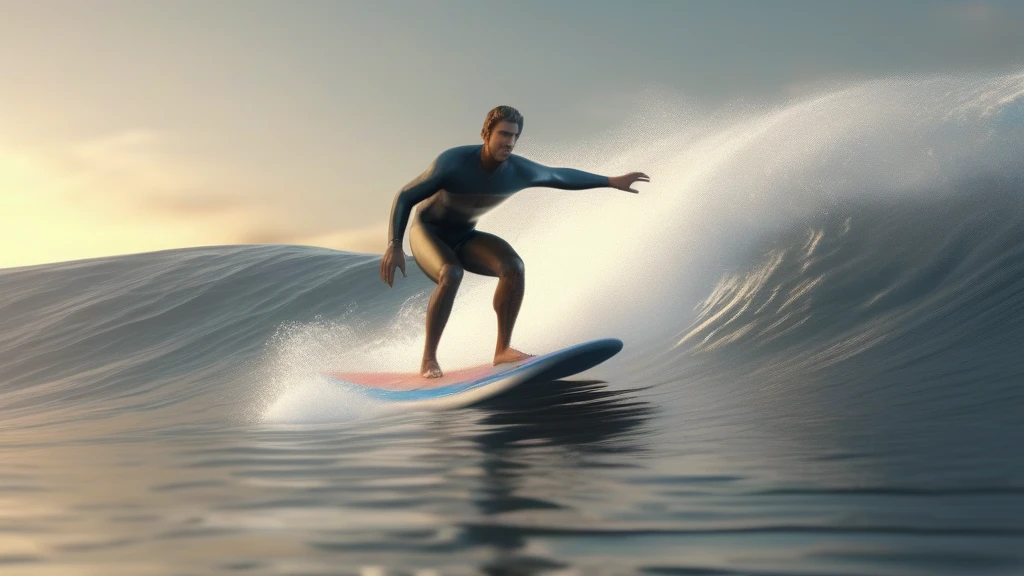
Surfing is as much about adapting to the ocean’s ever-changing moods as it is about skill and style. For surfers who thrive on agility, speed, and precision—especially those focused on short to medium waves—the shortboard surfboard is an indispensable tool. But to truly weather-proof your surfing adventure, selecting the right shortboard for varying weather conditions and environments is key. This guide will walk you through the essential factors to consider when choosing and preparing your shortboard surfboard, so you can ride confidently no matter what the ocean throws your way.
Understanding Shortboard Surfboards: Performance Meets Versatility
Shortboards are designed for high-performance surfing, offering quick maneuvers, fast turns, and tight control on waves. Typically ranging between 5’6” to 7’0” in length, they cater to intermediate surfers honing freestyle skills and advanced or competitive riders pushing their limits.
Core Characteristics to Know
- Lightweight Constructions: Most shortboards use advanced materials like epoxy, fiberglass, carbon fiber, and polyurethane foam. Epoxy boards are often lighter and more durable, while fiberglass tends to offer a classic feel with a bit more flex.
- Rocker Profiles: The curvature of the board’s nose and tail affects how the board handles waves. Profiles range from flat (speed-friendly) to continuous and hybrid (balanced for control and maneuverability).
- Tail Shapes: Common tail designs include squash, swallow, bat, round, and pin tails. Each tail shape influences how the board turns and holds in different wave conditions.
- Fin Configurations: Thruster (three fins), quad (four fins), twin, and single fin setups offer varied control and speed dynamics, often detachable for easy customization.
- Safety Features: Anti-slip decks, reinforced fins, scratch-resistant surfaces, and compliance with safety certifications such as ISO, CE, and TÜV ensure reliability and peace of mind.
Matching Your Shortboard to Weather and Wave Conditions
Different weather patterns and wave environments demand specific board features to maximize performance and safety.
1. Sunny, Calm Days with Small to Medium Waves
- Recommended Rocker: Flat to moderate rocker profiles help maintain speed on smaller waves.
- Tail Shape: Squash or swallow tails provide stability and easier turning in mellow surf.
- Material: Epoxy boards excel here because their lightweight nature helps with paddle speed and maneuverability in less powerful waves.
- Fin Setup: Thruster fins offer balanced control ideal for playful, freestyle surfing in gentle conditions.
2. Windy, Choppy Conditions
- Recommended Rocker: Moderate to continuous rocker helps the board cut through choppy water without losing control.
- Tail Shape: Bat or pin tails enhance hold and control in unstable water.
- Material: Carbon fiber reinforcements add strength and stiffness, reducing flex that can destabilize the board in rough conditions.
- Fin Setup: Quad fin configurations provide additional speed and grip when carving through turbulent water.
3. Powerful, Steep Waves
- Recommended Rocker: Continuous or hybrid rockers allow for sharp turns and quick drop-ins on steep faces.
- Tail Shape: Pin tails offer superior hold, reducing the chance of sliding out on fast, hollow waves.
- Material: Fiberglass boards with reinforced stringers can offer a balance of flex and strength to endure intense wave forces.
- Fin Setup: Thruster setups are preferred for their reliable control and responsiveness during aggressive maneuvers.
Material Considerations: Durability, Weight, and Sustainability
Choosing the right construction materials for your shortboard impacts not only performance but longevity and environmental footprint.
- Epoxy: Lightweight and highly durable, epoxy shortboards resist dings and absorb less water, making them ideal for travel and varied conditions. Many epoxy boards now incorporate bio-resins and recyclable foam cores.
- Fiberglass: Provides a traditional surf feel with a bit more flex. While durable, fiberglass boards tend to be heavier and require more care. Some manufacturers use plant-based resins to reduce environmental impact.
- Carbon Fiber: Often used in reinforcement areas, carbon fiber boosts stiffness and durability without adding weight but can increase cost. Its longevity makes it a sustainable choice by reducing the need for frequent replacements.
- Polyurethane Foam: Classic core material that offers excellent buoyancy and feel but is less eco-friendly unless combined with biodegradable or recycled components.
Fin Systems: Customizing Control for Weather Adaptation
Your fin setup dramatically influences your board’s behavior on different waves.
- Thruster (3 fins): The most common setup, providing balanced speed, control, and maneuverability. Great for a wide range of conditions, from small waves to powerful surf.
- Quad (4 fins): Offers increased speed and better hold in choppy or steep waves, ideal for windy or powerful conditions.
- Twin (2 fins): Suited for smaller or mushier waves, allowing looser turns and more glide.
- Single Fin: Offers smooth, stable rides on mellow waves but less responsive for aggressive maneuvers.
Many shortboards come with detachable fin boxes, enabling surfers to swap fins to match conditions. Look for boards with FCS or Futures fin systems for easy customization and travel convenience.
Safety Features and Certifications: Peace of Mind in Every Session
Especially for intermediate surfers venturing into varied conditions, safety features are crucial.
- Anti-Slip Decks: Provide enhanced foot grip, reducing the risk of slipping during quick maneuvers.
- Reinforced Fins: Reduce the chance of breakage and injury, particularly important in rocky or coral reef environments.
- Scratch-Resistant Surfaces: Maintain the board’s integrity and performance over time.
- Certifications: Boards complying with ISO, CE, or TÜV standards have been tested for quality and safety, assuring durability and reliability.
Maintenance Tips for Weather-Proof Shortboards
Longevity and performance depend on how well you care for your board.
- Wax Application: Use temperature-appropriate surf wax—cold water wax for cooler climates and tropical wax for warmer regions—to maintain grip.
- Regular Repairs: Carry a compact repair kit for quick fixes on dings or cracks, especially when traveling.
- Storage: Store boards away from direct sunlight and extreme temperatures to prevent delamination or warping.
- Rinse After Use: Saltwater can degrade materials; rinse thoroughly with fresh water and dry before storage or travel.
Travel-Friendly Practices: Packing and Accessories
For surfers on the move, portability and readiness are essential.
- Board Bags: Padded bags with reinforced seams protect boards against impact and UV damage during transit.
- Accessory Kits: Include extra fin sets to adapt to destination waves, leashes for safety, wax kits, and repair tools.
- Foldable or Detachable Fins: Facilitate compact packing and reduce damage risk.
Look for boards labeled as travel-friendly or accompanied by travel kits to ensure smooth adventures.
Environmental Sustainability: Choosing Eco-Friendly Shortboards
Sustainability is increasingly important in surfboard manufacturing.
- Materials: Seek boards made with bio-based resins, recycled or sustainably sourced foam cores, and natural fiber reinforcements.
- Manufacturing Practices: Brands adopting low-emission production and biodegradable coatings contribute to ocean health.
- End-of-Life Options: Some manufacturers offer recycling programs or take-back initiatives to reduce waste.
Supporting eco-conscious products aligns your passion for surfing with stewardship of the ocean environment.
Conclusion: Weather-Proof Your Surfing with the Right Shortboard
Selecting the ideal shortboard surfboard for different weather and wave conditions involves understanding key design elements—from rocker profiles and tail shapes to materials and fin systems. Prioritizing safety features, maintenance, and sustainability further enhances your surfing experience and the lifespan of your equipment. Whether you’re tackling calm, sunny days or braving choppy, powerful seas, a well-chosen shortboard tailored to your skill level and environment will empower you to ride every wave with confidence and style.