
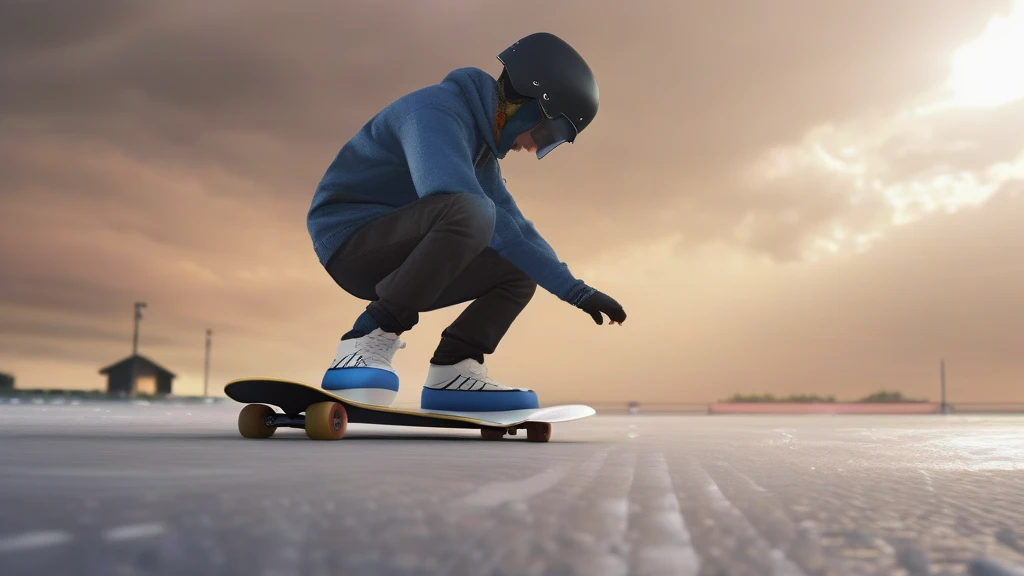
When it comes to outdoor recreation, especially skateboarding and related activities like BMX riding, scootering, and rollerblading, a well-chosen skate helmet is your most essential protective gear. But with an array of designs, materials, and technologies available, picking the right helmet that performs well across different weather conditions and environments can be challenging. This guide will help you understand how to select skate helmets tailored for various climates and activity types, ensuring your safety and comfort no matter what the forecast says.
Understanding Skate Helmets: Core Features and Safety Standards
Before diving into weather-specific advice, it’s important to grasp what makes a skate helmet reliable and versatile.
Safety Certifications: What They Mean for You
Skate helmets in this category meet several rigorous safety standards to guarantee impact protection:
- CPSC (Consumer Product Safety Commission): Mandatory for helmets sold in the U.S., focusing on impact absorption and structural integrity.
- ASTM F1492: A standard specifically for skateboarding and trick skating helmets.
- CE EN 1078: European safety certification covering cycling, skateboarding, and roller skating helmets.
- ISO and TÜV: Additional international certifications that assure quality and safety.
Choosing a helmet certified for multiple standards ensures you get versatile protection for diverse sports and conditions.
Materials and Construction
Typical skate helmets use:
- Polycarbonate shells: Durable, impact-resistant outer layers.
- ABS plastic: Tough, lightweight, and economical.
- Carbon fiber reinforcements: Provide extra strength and reduce weight.
- EPS foam liners: Critical for shock absorption on impact.
Some helmets feature in-mold designs, where the shell is fused with the foam liner for a lighter, more aerodynamic fit, while others use hard shell designs for rugged durability.
Advanced Safety Tech: MIPS and Beyond
The inclusion of Multi-directional Impact Protection System (MIPS) technology is increasingly common. MIPS reduces rotational forces during angled impacts, offering enhanced brain protection—a crucial feature if you skate in unpredictable environments.
Weather-Proofing Your Helmet Selection
Hot and Sunny Conditions: Maximizing Ventilation and Comfort
In summer or hotter climates, overheating and sweat buildup can reduce comfort and even impair safety by distracting you.
What to Look For:
- Ventilation: Helmets with 12 to 15 strategically placed vents allow optimal airflow. Some even come with adjustable vent covers to control airflow based on temperature.
- Sweat-wicking liners: Materials that keep moisture away from your skin help in maintaining comfort during long sessions.
- Lightweight construction: Choosing helmets weighing between 200 and 300 grams reduces heat retention and fatigue.
- Reflective details: These improve visibility in bright sunlight or low-light conditions, enhancing your safety.
Example: A ventilated polycarbonate shell helmet with multiple large vents and a moisture-wicking liner will keep you cool during intense skateboarding or scootering sessions.
Rain and Humid Environments: Durability and Water Resistance
Skating in wet or humid conditions requires helmets that can withstand moisture without compromising structural integrity or comfort.
Key Features:
- Water-resistant coatings: Many helmets include special biodegradable coatings that repel water and prevent absorption.
- Quick-drying liners: Liners made from synthetic, antimicrobial fabrics dry faster and reduce odor.
- Secure fit systems: Adjustable dial systems and chin straps ensure the helmet stays firmly in place even during sudden movements or slippery conditions.
- Corrosion-resistant buckles: Quick-release buckles made with rust-proof materials maintain functionality despite exposure to moisture.
Tip: Avoid helmets with thick foam padding that retains water; instead, favor models designed with moisture control in mind.
Cold Weather and Windy Conditions: Insulation and Coverage
In cooler climates, the challenge is to keep your head warm without sacrificing ventilation or safety.
Considerations:
- Partial vent closure: Helmets with adjustable vents allow you to seal off some openings to retain warmth.
- Additional liners or helmet caps: Some helmets accommodate thin, insulated liners or skull caps for extra warmth.
- Full coverage designs: Models that extend lower on the back and sides of the head provide more protection against wind chill.
- Wind-resistant shells: Smooth, aerodynamic shells reduce wind noise and drag.
Example: A helmet with a solid polycarbonate shell and customizable venting can be adapted for chilly days while maintaining safety certifications.
Multi-Environment Use: Versatility and Adaptability
If you engage in multiple sports or travel across different climates, look for helmets designed with adaptability in mind.
Features to Seek:
- Multi-sport certification: Helmets certified for skateboarding, cycling, scootering, and rollerblading cover a wide range of activities.
- Modular components: Removable visors, interchangeable liners, or foldable designs enhance portability and adaptability.
- Adjustable fit systems: Dial systems and interchangeable fit pads accommodate different head shapes and seasonal accessories like caps or headphones.
- Sustainability credentials: Eco-friendly materials and recyclable components appeal to environmentally conscious users.
Proper Fit and Maintenance for All Conditions
Getting the Right Fit
No matter the weather, a helmet must fit snugly and securely:
- Use the rotational dial system or adjustable straps to fine-tune the fit.
- Ensure the helmet sits level on your head, covering the forehead without obstructing vision.
- Chin straps should be tight enough to prevent movement but comfortable to avoid irritation.
Caring for Your Helmet Through Seasons
- Regularly clean sweat-wicking liners and straps with mild soap.
- Dry thoroughly after exposure to rain or sweat to prevent mold and degradation.
- Inspect for cracks or damage after impacts or extreme weather exposure.
- Replace your helmet every 3-5 years or after a significant impact, as foam liners lose effectiveness over time.
Sustainability Trends in Skate Helmets
Modern manufacturers are increasingly embracing green practices:
- Using biodegradable coatings and low carbon footprint manufacturing.
- Incorporating recyclable materials such as EPS foam and polycarbonate shells.
- Designing durable helmets that minimize waste by extending product lifespans.
- Offering repair kits and replacement parts to reduce disposal.
Choosing helmets with these features supports environmental stewardship while keeping you safe.
Conclusion: Choose Safety and Comfort That Matches the Weather
Selecting a skate helmet that performs well under varying weather conditions involves understanding your needs, environment, and the technological features available. Prioritize:
- Certified safety standards for reliable protection.
- Ventilation and moisture control for hot and humid climates.
- Water resistance and secure fit for rainy conditions.
- Insulation and vent adaptability for cold weather.
- Versatility if you engage in multiple sports or travel.
By focusing on these factors and maintaining your helmet properly, you can weather-proof your adventure and enjoy skateboarding and other outdoor activities with confidence and comfort year-round.