
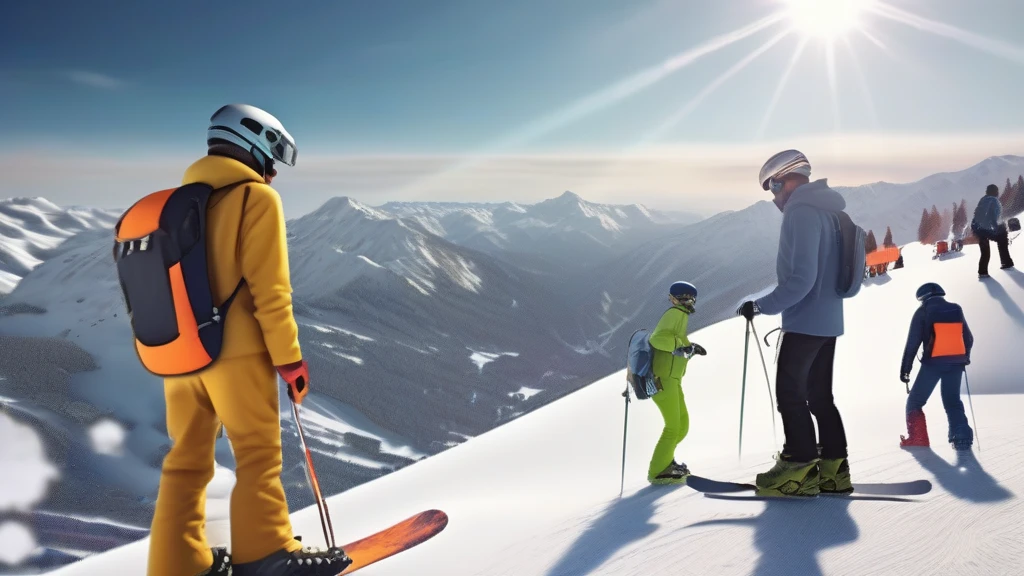
Winter sports enthusiasts face a wide range of weather conditions—from bright, clear days on groomed slopes to icy, stormy backcountry expeditions. Selecting the right ski or snowboard helmet is not just about safety; it’s about adapting to diverse environmental challenges while maximizing comfort and performance. In this comprehensive guide, we explore how to choose helmets tailored for different winter weather conditions and activities, ensuring your head protection keeps pace with your adventure.
Understanding Helmet Safety and Weather Adaptability
Before diving into weather-specific features, it’s essential to grasp the baseline of helmet safety and technology that underpins every quality product.
Certified Protection: What to Look For
Reliable helmets carry safety certifications such as CE EN 1077 (commonly used in Europe), ASTM F2040 (North America), and ISO standards. These certifications guarantee that the helmet has passed rigorous impact resistance and penetration tests, crucial for protecting against falls and collisions on snow and ice.
Most modern helmets integrate advanced impact mitigation technologies, notably:
- MIPS (Multi-directional Impact Protection System): Designed to reduce rotational forces during angled impacts, MIPS is a valuable feature to seek, especially for high-speed skiing or snowboarding.
- Multi-impact EPS Foam Liners: Unlike single-impact liners, these can absorb multiple impacts, extending helmet lifespan and reliability.
Materials and Construction for Weather Durability
Helmet shells are often constructed from polycarbonate, ABS (Acrylonitrile Butadiene Styrene), carbon fiber, or hybrid composites. Each material balances protection, weight, and weather resistance differently:
- Polycarbonate and ABS: Durable against impacts and abrasions, they offer good weather resistance and affordability.
- Carbon Fiber and Hybrid Composites: These premium materials provide exceptional strength-to-weight ratios, ideal for backcountry adventurers who prioritize lightweight gear without compromising safety.
A durable outer shell paired with weather-resistant internal materials helps helmets withstand moisture, freezing temperatures, and rough handling.
Tailoring Helmet Features to Weather Conditions
Winter weather can shift rapidly—from sunny, mild days to freezing snowstorms. The right helmet features can significantly enhance your comfort and safety in these variable environments.
Ventilation Systems: Balancing Warmth and Breathability
Effective ventilation prevents overheating and fogging, while still providing warmth on cold days. Look for helmets with:
- Adjustable Vents: Multiple vents that can be opened or closed allow you to regulate airflow. For example, opening vents on sunny days helps dissipate heat, while closing them in cold, windy conditions traps warmth.
- Removable Vent Covers: Useful for extreme cold or wet weather to prevent snow and moisture ingress.
- Anti-fog Airflow Channels: Help maintain clear vision by directing air over goggles.
For backcountry skiing or ice climbing, where exertion levels and temperatures fluctuate, helmets with customizable ventilation offer significant advantages.
Fit Systems for Secure and Comfortable Wear
A helmet’s fit is crucial for both safety and comfort during long hours outdoors. Features to consider include:
- Dial Fit Systems: Allow micro-adjustments for a snug, personalized fit that stays secure during dynamic movements.
- Multi-size Pads: Interchangeable interior padding accommodates different head shapes and allows adjustments in thickness to maintain comfort with or without hats or balaclavas underneath.
- Pressure-free Ear Pads: Detachable or flexible ear pads provide warmth without discomfort or pressure, important during cold weather excursions.
Goggle Compatibility and Integration
Visibility is paramount in winter sports, and helmets designed to seamlessly integrate with goggles enhance protection and convenience:
- Magnetic or Clip Holders: Secure goggles in place, preventing slippage during activity.
- Over-the-Helmet Goggle Fit: Ensures goggles sit flush within the helmet’s design to reduce gaps that allow cold air or snow ingress.
- Helmet Brim and Visor Designs: Some helmets feature extended brims or visors to shield against wind and glare, beneficial in snowy or sunny conditions.
Choosing Helmets for Specific Winter Sports and Environments
Different activities demand tailored helmet characteristics to accommodate varied risks and environmental challenges.
Alpine Skiing and Snowboarding on Groomed Slopes
For resort skiing and snowboarding, where speeds are moderate and weather conditions vary, helmets offering:
- Lightweight polycarbonate or ABS shells
- Adjustable ventilation for easy airflow control
- Comfortable, sweat-wicking liners for warmth and moisture management
- MIPS technology to reduce rotational injury risk
are ideal. These helmets balance protection with comfort and style, suitable for all-day wear.
Backcountry Skiing and Ice Climbing
In remote, unpredictable environments, helmets must deliver maximum protection, durability, and adaptability:
- Carbon fiber or hybrid composite shells for superior strength and lightweight performance
- Multi-impact EPS liners to withstand multiple impacts during technical terrain navigation
- Fully adjustable ventilation systems with removable covers to manage extreme weather
- Compatibility with climbing accessories, such as headlamps or communication devices
- Enhanced goggle integration with anti-fog airflow for variable conditions
These helmets often prioritize sustainability, made using eco-conscious manufacturing processes to reduce environmental impact in pristine wilderness areas.
Snowmobiling and Winter Hiking
For snowmobilers and winter hikers facing high winds and potential debris impact:
- Helmets with aerodynamic designs to reduce drag
- Quick-release chin straps for convenience
- Robust ventilation systems that prevent fogging without sacrificing warmth
- Pressure-free ear pads and fleece liners for insulated comfort during extended exposure
Snowmobile helmets may also include integrated communication device mounts, enabling hands-free connectivity in harsh environments.
Maintenance Tips to Prolong Helmet Performance
Proper care ensures your helmet continues to protect effectively across seasons:
- Clean with Mild Soap and Water: Avoid harsh chemicals that degrade liners or shell coatings.
- Remove and Wash Liners: Many helmets feature detachable liners designed for washing to maintain hygiene and freshness.
- Store in a Cool, Dry Place: Avoid prolonged exposure to direct sunlight or extreme temperatures that can weaken materials.
- Inspect Regularly: Check for cracks, dents, or worn straps; replace helmets after significant impacts even if no visible damage is present.
Environmental Considerations: Choosing Eco-Friendly Helmets
Sustainable manufacturing is increasingly important in outdoor gear. Many helmet makers now employ:
- Recyclable Components: Shells and liners designed to be repurposed at end-of-life.
- Low Carbon Production: Processes minimizing greenhouse gas emissions.
- Natural or Recycled Materials: Using sustainable fabrics for liners and padding.
Selecting helmets from brands prioritizing these values supports conservation efforts while enjoying winter adventures responsibly.
Conclusion: Matching Helmets to Your Winter Adventure Needs
Selecting the right ski or snowboard helmet is a nuanced decision combining safety certifications, material construction, fit, ventilation, and environmental adaptability. Whether you’re carving groomers, exploring backcountry terrain, or riding snowmobiles across frozen landscapes, understanding helmet features aligned with weather conditions enhances protection and comfort.
Consider your primary activities, typical weather exposure, and personal preferences for weight and ventilation. Prioritize certified impact protection with technologies like MIPS, and seek adjustable systems that enable quick adaptation to changing conditions. Don’t overlook sustainability factors, as eco-conscious helmets contribute positively beyond your individual use.
By weather-proofing your headgear choice, you empower your winter sports experience to be safer, more comfortable, and aligned with your environmental values—ready for every condition the mountains throw your way.