
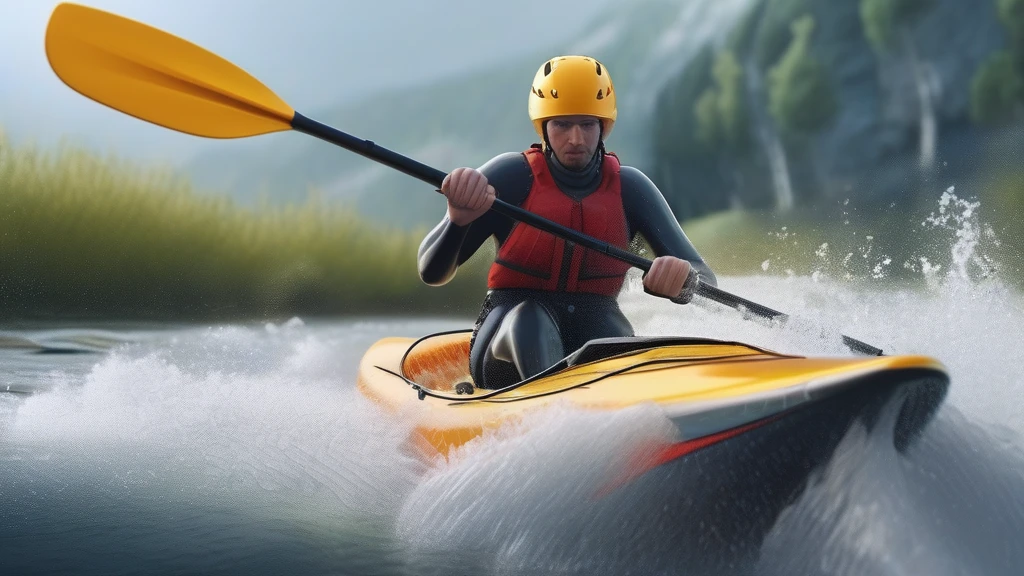
Slalom kayaking is an exhilarating sport that demands precision, speed, and control on dynamic waterways. Whether you are racing competitively, training for fitness, or embarking on advanced adventure tours, selecting the right slalom kayak to handle various weather conditions and environments is essential. This guide explores how to weather-proof your slalom kayaking experience by choosing kayaks designed to perform across diverse climates, water types, and weather challenges.
Understanding Slalom Kayaks: Performance Meets Durability
Slalom kayaks are specialized vessels engineered for high-performance paddling on rivers and downriver courses. They prioritize agility, lightweight construction, and stability to navigate rapid currents and tight gates with finesse. Typically weighing under 35 pounds, these kayaks leverage advanced materials that balance strength and durability without compromising speed.
Materials Matter: Carbon Fiber, Kevlar, and Beyond
One of the core considerations when weather-proofing your kayak adventure is material selection. Slalom kayaks commonly use:
-
Carbon Fiber: Offers exceptional stiffness and ultra-lightweight performance, ideal for racers seeking maximum speed and responsiveness. Carbon fiber excels in maintaining structural integrity in cold and wet conditions but can be more susceptible to impact damage if not properly reinforced.
-
Kevlar: Known for its high impact resistance and flexibility, Kevlar composites provide a durable yet lightweight build. This material handles abrasions and collisions well, which is beneficial in rugged river environments with submerged rocks or debris.
-
Fiberglass: A cost-effective alternative that balances weight and strength. Fiberglass kayaks provide decent weather resistance but may require more maintenance over time to handle UV exposure and minor cracks.
-
High-Density Polyethylene (HDPE): Common in rotomolded kayaks, HDPE is tough and highly impact-resistant, making it great for whitewater conditions and rough handling. While heavier than carbon or Kevlar, HDPE kayaks offer excellent durability and weather resistance, including UV protection.
-
Thermoformed ABS: These kayaks combine lightweight construction with good impact resistance and UV stability. They are often used in mid-range slalom kayaks, providing a good balance of performance and durability.
Each material influences the kayak’s weight, durability, and maintenance needs, so choosing one aligned with your typical weather and water conditions is crucial for long-term enjoyment.
Designing for Weather: Hull Shapes and Protective Features
Slalom kayaks feature streamlined hull designs that reduce drag while maximizing stability during high-speed maneuvers. For weather-proofing, consider:
-
Aerodynamic Hulls: Narrow, V-shaped hulls cut through choppy water and wind more efficiently, enhancing control during gusty or wet weather.
-
High Stability: Low tipping risk is essential in turbulent conditions. Look for kayaks with stable hull geometry that can handle sudden currents and waves without sacrificing speed.
-
Spray Skirts: Integral weatherproofing accessories, spray skirts prevent water ingress during rough paddling or rain. They keep the cockpit dry, improving comfort and reducing cold exposure.
-
UV-Resistant Finishes: Prolonged sun exposure degrades many materials. Kayaks with UV-resistant coatings maintain strength and appearance even after long hours on the water.
-
Integrated Storage Hatches: Weather-sealed compartments help protect gear and essentials from rain and splashes, enabling longer tours in unpredictable weather.
Tailoring Your Kayak Choice to Weather Conditions
Cold and Wet Environments
In colder climates or during wet seasons, insulating your kayak experience becomes paramount:
-
Material Choice: Carbon fiber or Kevlar kayaks are preferred for their lightweight and stiffness, allowing quick maneuvering without fatigue in cold water. Ensure the kayak has a well-fitting spray skirt to keep water out.
-
Cockpit Features: Ergonomic adjustable seats with padding provide comfort and insulation. Adjustable footrests improve control, reducing the need for excessive movement that could expose you to cold.
-
Safety Features: Emergency quick-release systems allow fast exit in case of capsizing, vital in cold waters to prevent hypothermia.
Hot and Sunny Weather
For paddling in sunny, warm environments, UV resistance and ventilation are priorities:
-
UV-Resistant Hulls: Fiberglass or thermoformed ABS kayaks with durable UV coatings prevent material breakdown and fading.
-
Ventilation and Comfort: Seats and cockpit designs that allow airflow improve comfort during long paddling sessions under the sun.
-
Eco-Friendly Materials: Many manufacturers now incorporate recyclable and low-emission materials, reducing environmental impact while providing durable kayaks suitable for bright conditions.
Variable Weather and Adventure Touring
For those tackling unpredictable weather or extended touring:
-
Modular and Foldable Designs: Some slalom kayaks feature foldable components to ease transport and storage, crucial when weather dictates last-minute gear adjustments.
-
Carry Handles and Portability: Lightweight kayaks with well-placed carry handles make portaging around obstacles easier when conditions change suddenly.
-
Storage Solutions: Waterproof hatches and compartments secure essentials against rain and spray, allowing longer excursions without exposure risks.
Solo vs. Tandem Slalom Kayaks: Weather Considerations
Choosing between solo and tandem slalom kayaks impacts your weather preparedness strategy:
-
Solo Kayaks: Typically lighter and more agile, solo kayaks respond quickly to changing water conditions and are easier to maneuver in tight slalom courses. Their smaller size makes them easier to cover with spray skirts and weatherproof gear.
-
Tandem Kayaks: Heavier and more stable, tandem kayaks offer better load capacity for gear and additional safety in rough weather through increased buoyancy. However, they require more effort to control and may be less responsive in rapid weather changes.
Your choice should align with your typical paddling partner scenarios and the weather conditions you most frequently encounter.
Training and Maintenance Tips for Weather-Proof Slalom Kayaking
Training for All Conditions
-
Simulate Weather Challenges: Practice paddling in varied weather, including windy, rainy, and choppy water conditions to build confidence and technique.
-
Strength and Endurance: Focus on fitness training that enhances your ability to maintain control during long, weather-challenging sessions.
-
Equipment Familiarity: Regularly train with your spray skirts, adjustable footrests, and safety gear to ensure smooth operation during unexpected weather.
Maintenance Best Practices
-
Rinse After Use: Saltwater and debris can degrade materials. Rinse your kayak thoroughly after each outing.
-
Inspect for Damage: Check for cracks, abrasions, and UV damage regularly, especially after high-impact events or extreme weather.
-
Protective Storage: Store kayaks out of direct sunlight and in dry, sheltered areas to extend UV resistance and material life.
-
Lubricate Moving Parts: Keep adjustable seats and footrests functioning smoothly with appropriate maintenance.
Accessory Recommendations for Weather-Ready Slalom Kayaking
-
Spray Skirts: Choose high-quality, well-fitting spray skirts made from neoprene or reinforced nylon to maximize water protection.
-
Repair Kits: Carry compact repair kits tailored to your kayak’s material, including patches for carbon fiber, Kevlar, or polyethylene.
-
Safety Gear: Equip your kayak with emergency quick-release systems, personal flotation devices rated for your activity, and waterproof communication devices.
-
Storage Bags: Use waterproof bags or containers within storage hatches to keep valuables and electronics dry.
Environmental Responsibility in Kayak Selection
Modern slalom kayaks increasingly incorporate sustainable manufacturing practices:
-
Look for kayaks using recyclable materials and low-emission production processes to reduce environmental footprint.
-
Support brands offering comprehensive warranties (1 to 5 years or lifetime hull coverage), indicating confidence in durable, eco-conscious design.
-
Consider end-of-life recyclability to minimize waste impact.
Conclusion
Weather-proofing your slalom kayaking adventure starts with selecting a kayak engineered for your local conditions and paddling style. Understanding the interplay of materials, hull design, and protective features empowers you to navigate rain, sun, cold, or wind with confidence. Complement your kayak choice with thoughtful accessories, training, and maintenance to extend performance and safety across all seasons. By investing in the right slalom kayak tailored to diverse weather challenges, you unlock the full thrill of competitive and fitness paddling on rivers anywhere, anytime.