
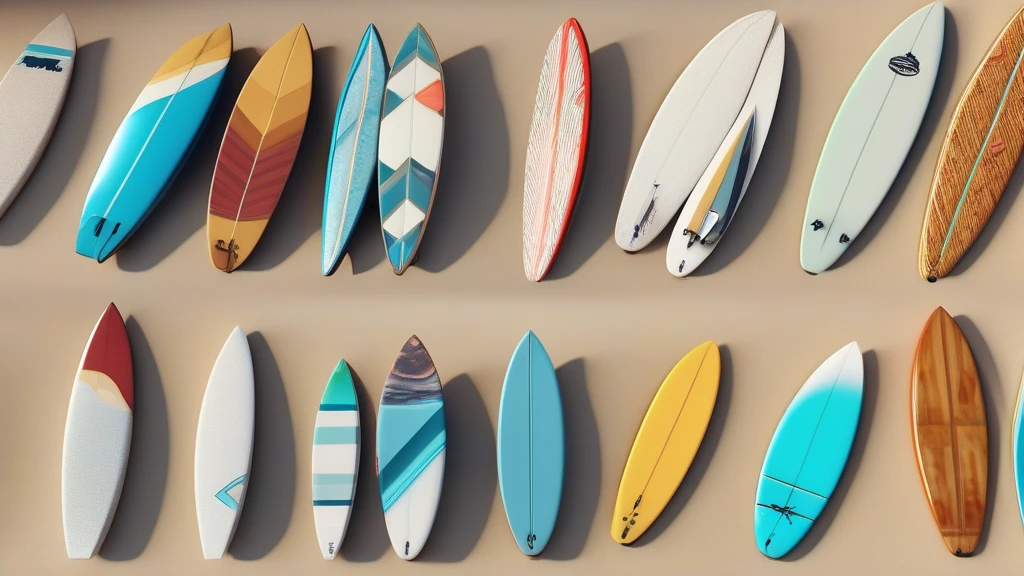
Surfing is as much about embracing nature as it is about skill and style. For beginners, families, and casual surfers, choosing the right surfboard that can handle different weather conditions and environments is essential to ensuring a safe, fun, and lasting experience on the water. This guide will help you understand how to select surfboards designed to perform well across a variety of weather scenarios, while emphasizing safety, durability, and environmental responsibility.
Understanding Weather Challenges in Surfing
Before diving into surfboard types and features, it’s important to recognize the weather-related factors that impact surfing:
- Sun Exposure & UV Rays: Prolonged sunlight can degrade surfboard materials, causing fading, brittleness, and reduced lifespan.
- Temperature Variations: Cold water and air temperatures can affect board flexibility and user comfort, while hot climates demand materials that resist warping.
- Wave Conditions: Weather affects wave size, shape, and consistency—from calm, small waves to choppy, rough surf.
- Saltwater Corrosion: Constant exposure to saltwater can wear down surfboard components over time.
Selecting a surfboard that can withstand these conditions means looking for features that enhance protection, durability, and versatility.
Choosing the Right Surfboard for All Weather Conditions
1. Soft Top Surfboards: The Weather-Resistant Starter
Soft top surfboards are a popular choice for beginners and families due to their forgiving design and safety features. These boards typically feature:
- Durable, Impact-Resistant Foam Cores: The foam core absorbs impacts from falls or bumps, reducing damage even in rough surf conditions.
- UV-Resistant Skins: Soft top boards often use skins treated with UV inhibitors that prevent fading and material breakdown under strong sun exposure.
- Waterproof Composite Layers: These protect the foam from water permeation and salt damage, extending the board’s usable life.
- Moderate to Low Rocker Profiles: A flatter rocker makes paddling easier and enhances stability in small to moderate waves—ideal for variable weather conditions.
- Wide, Stable Shapes: The broad surface area increases balance, allowing users to stay upright even in choppy water.
- Safety-Focused Features: Soft rails and anti-slip decks minimize injury risks during mishaps, which is especially important for children and surf schools.
Example Use Case: A family visiting a sunny beach with unpredictable small to medium waves would benefit from a wide, soft top board with UV-resistant skin and a foam core designed for durability.
2. Hybrid Surfboards: Versatility for Mixed Conditions
Hybrid boards blend elements of soft tops and traditional hard boards, offering an excellent option for surfers who want more maneuverability without sacrificing safety. Key features include:
- Foam Cores with Reinforced Edges: These provide impact resistance while maintaining rigidity for better wave control.
- Eco-Friendly, Recyclable Materials: Many hybrids incorporate biodegradable or recyclable composites, aligning with environmentally conscious surfing.
- Tri-Fin or Single-Fin Configurations: Multiple fin setups increase maneuverability in various wave types, allowing riders to adjust to changing surf conditions.
- Compact Designs: Easier to transport and store, hybrids suit those traveling between surf spots with different weather patterns.
Example Use Case: A beginner surfer progressing to more challenging waves in a coastal region with shifting weather patterns might prefer a hybrid board for its adaptability and eco-friendly construction.
3. Longboards: Stability for School and Family Use
Longboards remain a staple for surf schools and families due to their forgiving ride and ease of learning. Their weather-proofing features include:
- Extra-Wide Decks with Anti-Slip Surfaces: Provide maximum balance in variable wave conditions, from flat days to gentle rollers.
- Protective Foam Layers Over the Deck: Cushion impacts and guard against sun and saltwater damage.
- UV-Stabilized Outer Coatings: Help maintain board integrity over extended use in sunny, marine environments.
- Simplified Fin Systems: Often single or two-fin setups for straightforward control.
Example Use Case: Surf schools operating year-round in coastal areas with fluctuating weather prefer longboards that can withstand constant use and environmental exposure while ensuring learner safety.
Key Features to Look for When Weather-Proofing Your Surfboard
When selecting a surfboard for all-weather use, keep these specific product characteristics in mind:
- Material Durability: Look for boards with impact-resistant foam cores combined with UV-resistant skins and waterproof composites.
- Environmental Certifications: ISO and CE compliance indicate tested quality and safety. Marine safety ratings further reinforce durability against water exposure.
- Safety Elements: Soft rails, anti-slip decks, and protective foam layers reduce injury risk and enhance confidence in rough conditions.
- Fin Flexibility: Tri-fin systems offer better control in choppier waters, while single fins provide stability in calmer waves.
- Portability: Handles, carry bags, and compact designs make transporting your board easier regardless of weather constraints.
- Eco-Friendly Construction: Biodegradable or recyclable materials ensure that your surfing hobby respects marine ecosystems.
Practical Tips for Maintaining Your Surfboard in Any Weather
Even the most weather-proof surfboards require proper care to maximize their lifespan:
- Rinse After Use: Always wash your board with fresh water to remove salt, sand, and debris.
- Store in Shade: Avoid prolonged sun exposure by using board bags or storing boards indoors.
- Apply Surf Wax Appropriately: Use wax formulated for your local water temperature to maintain grip and prevent slipping.
- Inspect and Repair Promptly: Use repair kits included with many beginner boards to fix dings or scratches before water penetrates the core.
- Rotate Fin Setups: For boards with removable fins, experiment with configurations to match current wave and weather conditions.
Supporting Accessories for Weather-Ready Surfing
To fully prepare for diverse weather scenarios, consider these common accessories bundled with beginner-friendly surfboards:
- Leashes: Keep your board attached to you in rough surf, preventing loss and enhancing safety.
- Wax Kits: Tailored for different climates, these improve traction and control.
- Repair Kits: Allow quick fixes for minor damage caused by impacts or environmental wear.
- Instructional Materials: Guides or DVDs help beginners understand weather impacts on surfing techniques and board care.
Conclusion
Selecting the right surfboard to weather-proof your surfing adventure is about balancing safety, durability, environmental responsibility, and versatility. Soft top boards offer unbeatable safety and UV resistance for beginners and families, while hybrid boards provide adaptability for changing conditions. Longboards remain a steadfast choice for surf schools and learners prioritizing stability.
By focusing on features like impact-resistant foam cores, UV-protective skins, eco-friendly materials, and user-friendly fin systems, you can confidently choose a surfboard that stands up to sun, salt, and surf—helping you enjoy every wave, no matter the weather. Proper maintenance and the right accessories will further ensure your board’s longevity and performance, making your surfing adventure both safe and sustainable.