
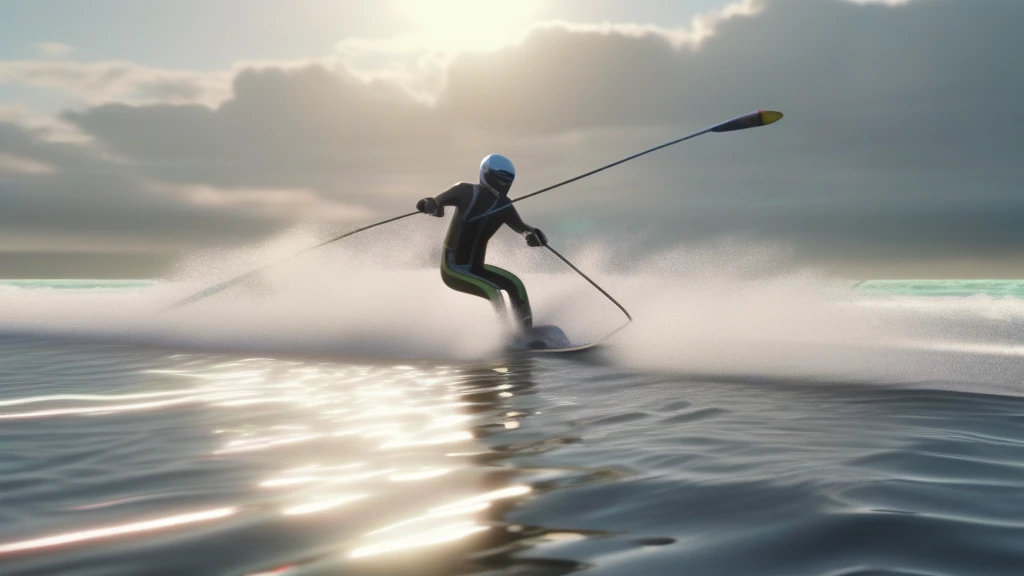
Trick water skiing is an exhilarating sport that combines agility, balance, and precision on the water’s surface. Whether you're spinning, flipping, or performing technical maneuvers, your equipment plays a vital role in how well you execute each trick—especially when weather conditions vary. Selecting trick water skis that hold up under different climates and environments is essential for maintaining performance, safety, and long-term durability.
In this guide, we’ll explore how to choose and maintain trick water skis optimized for diverse weather scenarios, from bright sunny days to damp, humid mornings, and cooler, windy conditions. We’ll break down key product features to look for and share practical tips to weather-proof your adventure on the water.
Understanding Weather Challenges for Trick Water Skis
Different weather conditions pose unique challenges to trick water skis. Knowing these challenges helps you select skis designed to withstand them.
- UV Exposure: Prolonged sunlight can degrade materials, fade colors, and weaken ski integrity.
- Moisture and Humidity: Constant water exposure and humid air can lead to corrosion on metal parts and degrade bindings.
- Temperature Fluctuations: Cold water and air can make materials brittle, while heat can cause warping or delamination.
- Wind and Water Conditions: Choppy waters and high winds stress skis through impact and instability.
Trick water skis engineered with weather resistance in mind can significantly reduce wear and tear caused by these elements.
Key Material Technologies for Weather Resistance
Material composition is the foundation of a ski’s ability to resist weather-related damage while delivering high performance.
Carbon Fiber and Kevlar Reinforcement
- Durability & Strength: Carbon fiber offers exceptional strength-to-weight ratio, making skis lightweight yet resistant to impact and flexing in rough conditions.
- UV Resistance: Carbon fiber composites naturally withstand UV rays better than traditional fiberglass.
- Kevlar Layers: Kevlar adds abrasion resistance, protecting against scratches from debris or rough water surfaces, especially important in variable weather.
Fiberglass and Aluminum Components
- Fiberglass: Commonly used for flexibility and shock absorption, modern fiberglass skis often include UV-resistant coatings to enhance weather tolerance.
- Aluminum: Used in fin mounts or binding frames, anodized aluminum resists corrosion in wet environments but may require regular maintenance in salty or humid climates.
Eco-Friendly Coatings and Sustainable Materials
- Some trick water skis feature biodegradable or UV-blocking coatings that protect surfaces from sun damage while minimizing environmental impact.
- Recyclable components and sustainable production methods ensure eco-conscious users can enjoy their sport responsibly without compromising durability.
Fin Systems Tailored for Weather Conditions
Fins affect control, turning, and stability—all critical when weather affects water surface conditions.
Adjustable and Detachable Fins
- Customization: Adjustable fins allow you to adapt ski handling based on water smoothness and wind strength. For example, deeper fin settings improve tracking in choppy water.
- Detachable Designs: Detachable fins enable easy replacement if damaged during adverse weather or transport, extending ski lifespan.
- No-Fin Options: Some skis offer no-fin models for ultra-agile tricks on calm water but may be less stable in windy or rough conditions.
Material Considerations
- Fins made from corrosion-resistant materials like stainless steel or reinforced plastic suit wet and humid environments better.
- Quick-release mechanisms allow fast adjustments even with cold or wet hands, enhancing safety and convenience.
Binding Styles for Safety and Comfort in Variable Weather
Bindings secure your feet to the skis and must remain reliable regardless of conditions.
Open-Toe vs. Closed-Toe Bindings
- Open-Toe: Provide ventilation and quick drainage, ideal for hot weather but may offer less foot protection in colder or rough environments.
- Closed-Toe: Enclose the foot fully, offering better warmth retention and protection from water spray but may feel warmer in hot weather.
Fixed vs. Adjustable Bindings
- Fixed Bindings: Provide a consistent fit and stability but may not accommodate swelling feet in hot weather or thick wetsuits.
- Adjustable Bindings: Offer flexibility for different foot sizes and changing conditions, improving comfort during long sessions in variable climates.
Anti-Slip and Quick-Release Features
- Anti-slip footbeds help maintain grip even when skis are wet or covered in water spray.
- Quick-release bindings enhance safety by allowing fast foot release during falls or emergencies, particularly crucial in unpredictable weather.
Portability and Storage: Protecting Your Skis Off the Water
Proper storage and transport protect skis from weather-related damage between uses.
- Compact Dimensions and Foldable Designs: Trick water skis typically measure 40–48 inches and some fold or come with detachable components for easier packing.
- Carry Bags: Weather-proof carry bags with padding protect against UV exposure, moisture, and scratches during transport or storage.
- Drying and Cleaning: Always rinse skis with fresh water after exposure to saltwater or dirty lakes, and dry thoroughly to prevent corrosion and mildew.
- Temperature Control: Avoid storing skis in direct sunlight or extreme heat to prevent warping or material degradation.
Choosing the Right Trick Water Skis for Your Environment
For Sunny, Warm Climates
- Opt for skis with UV-resistant carbon fiber or fiberglass composites.
- Open-toe adjustable bindings provide ventilation and comfort.
- Include eco-friendly UV-blocking coatings to extend finish life.
For Humid or Rainy Regions
- Seek skis with corrosion-resistant aluminum fin mounts and stainless steel components.
- Closed-toe bindings protect feet from cold water and spray.
- Detachable fin systems allow replacement if weather-related damage occurs.
For Cooler, Windy Conditions
- Carbon fiber reinforced skis offer stiffness and impact resistance in rougher water.
- Adjustable fins help maintain control in choppy water.
- Consider closed-toe, adjustable bindings for warmth and secure fit.
Maintenance Tips to Weather-Proof Your Trick Water Skis
- Regular Cleaning: Rinse with fresh water after every use to remove salt, dirt, and debris.
- Inspect Fins and Bindings: Check for corrosion, cracks, or looseness; tighten or replace parts as needed.
- Apply Protective Coatings: Use recommended waxes or UV sprays to preserve surface finish.
- Store Properly: Keep skis in shaded, ventilated areas away from extreme temperatures.
- Check Adjustable Components: Ensure fin and binding adjustment mechanisms move smoothly and aren’t jammed by dirt.
Conclusion
Trick water skiing demands gear that performs reliably across varied weather and water conditions. By understanding the role of materials, fin systems, bindings, and maintenance, you can select trick water skis tailored to your environment and skill level. Prioritizing weather-resistant features like carbon fiber reinforcement, adjustable fins, corrosion-proof metals, and eco-friendly coatings ensures your skis stay durable, safe, and ready for action.
With the right weather-proofed trick water skis, you can confidently push your freestyle limits and enjoy every splash—rain or shine.