
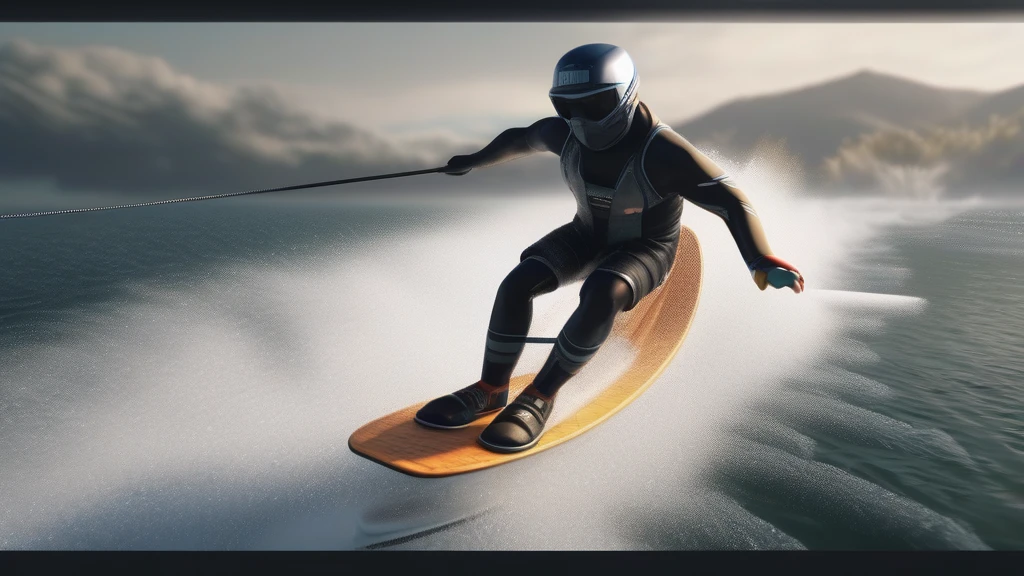
Wakeboarding is a thrilling water sport that combines speed, skill, and style, whether you’re being towed behind a boat or gliding through a cable park. However, the weather and environmental conditions you ride in can significantly impact your experience and the performance of your wakeboard. Selecting the right wakeboard tailored to varying weather conditions not only enhances your safety but also ensures you maximize fun and progression on the water.
This comprehensive guide explores how to choose wakeboards designed to handle different weather environments, helping riders from beginners to pros weather-proof their adventures.
Understanding Wakeboard Construction and Weather Durability
Before diving into weather-specific recommendations, it’s essential to understand the core materials and design features that influence a wakeboard’s durability and performance in diverse conditions.
Materials Matter: Fiberglass, Carbon Fiber, and Wood Cores
-
Fiberglass Wakeboards are widely popular due to their balance of durability, flexibility, and moderate weight. Fiberglass shells or layers provide resilience against impacts from choppy waters or occasional collisions with obstacles. They also offer some flex that absorbs shocks during rough rides.
-
Carbon Fiber Wakeboards stand out for their ultra-lightweight and stiffness, favored by competitive riders who need explosive pop and precise control. While incredibly strong, carbon fiber boards can be less forgiving in extremely cold conditions where materials become brittle, so riders in colder climates should consider this factor.
-
Wood Core Wakeboards combine traditional craftsmanship with natural flex and shock absorption. Wood cores tend to regulate temperature changes well and provide a lively ride in cooler water, but require proper sealing to prevent water damage in humid or rainy conditions.
Many modern wakeboards use composite blends incorporating fiberglass and carbon fiber over wood cores to balance strength, weight, and environmental resilience. Additionally, eco-conscious manufacturers often use biodegradable resins and recyclable materials, which can sustain performance while reducing environmental impact.
Key Wakeboard Features for Weather Adaptability
Rocker Profiles and Their Impact on Stability in Varied Water Conditions
The rocker profile—the curvature of the wakeboard from tip to tail—plays a critical role in how it performs in different water states:
-
Continuous Rocker: Offers smooth, fast rides with consistent edge-to-edge contact. Ideal for calm, flat water conditions where speed and fluidity are priorities.
-
3-Stage Rocker: Features flat sections with sharp angles at the tips, delivering strong pop off wakes but a choppier ride in rough water. Best suited for skilled riders tackling aggressive wakes on boat-towed runs.
-
Hybrid Rocker: A blend of continuous and 3-stage, this rocker balances smoothness and pop, performing well in varying conditions including slightly choppy water and cable parks.
-
High Rocker: Provides maximum maneuverability and control in turbulent water or rough weather. It slows the board down slightly but enhances responsiveness when conditions get challenging.
For unpredictable weather, hybrid or high rocker boards offer versatility, enabling riders to adapt to shifting water surfaces without sacrificing performance.
Adjustable Fin Systems for Control and Safety
Fins improve tracking and control, particularly in windy or choppy water. Wakeboards come with several fin configurations:
-
No-Fin Designs: Common in cable park boards where maneuverability and sliding on obstacles are prioritized.
-
Single to Quad Fin Setups: Provide progressive levels of grip and stability. Quad fin systems are excellent for rough, unstable water, offering enhanced edge hold and directional control.
Removable and adjustable fins allow riders to customize their setup based on conditions. For example, removing fins in calm weather creates a looser, more playful ride, while adding fins in windy or rough water ensures better control and safety.
Protective Features to Withstand the Elements
Wakeboards designed for all-weather use often include:
-
Reinforced Edges and Rails: Protect against impacts with docks, rocks, or debris stirred up in turbulent water.
-
UV-Resistant Coatings: Prolong board life by preventing sun damage and fading during extended exposure.
-
Ergonomic Bindings with Quick-Release Mechanisms: Ensure rider comfort and safety, especially when weather conditions change rapidly.
Choosing the Right Wakeboard for Your Weather Environment
For Warm, Sunny Climates with Calm Waters
If you primarily ride in warm weather with relatively flat lakes or calm bays:
- Opt for a continuous or hybrid rocker board for speed and smooth carving.
- Fiberglass or composite boards provide a good balance of durability and lightweight performance.
- A single or dual fin setup is sufficient; fins can be removed for freestyle tricks.
- Look for UV-resistant finishes to protect your board from sun damage.
- Lightweight boards with breathable bindings enhance comfort during long sessions.
For Variable Conditions: Windy or Choppy Lakes
Riders facing variable weather—wind gusts, choppy water, or occasional rain—should prioritize:
- Boards with a high or hybrid rocker for stability and maneuverability.
- A quad fin configuration to maintain edge hold in rough water.
- Durable materials such as wood cores sealed with protective coatings or carbon fiber composites designed to withstand temperature variation.
- Reinforced rails and edges to prevent damage from debris or rough landings.
- Ergonomic bindings with quick-release for safety during unexpected falls.
For Cold Weather and Cable Park Environments
Cold water and cable park riding require specialized considerations:
- Choose wood core or composite hybrid boards that maintain flex and responsiveness in low temperatures.
- No-fin or minimal fin designs reduce drag on cable obstacles.
- Reinforced edges and impact-resistant surfaces help with frequent rail slides and tricks.
- Boards made with eco-friendly resins ensure sustainability even in harsher environments.
- Consider boards with integrated carry bags and storage solutions to protect your gear during transport in cold, wet conditions.
Maintenance and Storage Tips to Weather-Proof Your Wakeboard
Proper care extends your wakeboard’s lifespan and preserves performance across seasons:
- Rinse with fresh water after every session to remove salt, dirt, and debris.
- Dry completely before storage to prevent mold and core degradation.
- Store in a cool, shaded place away from direct sunlight to avoid warping and UV damage.
- Use a padded carry bag for travel, especially if you’re riding in multiple weather zones.
- Regularly inspect fins, bindings, and edges for wear or damage, replacing parts as needed.
- Check warranty terms regarding weather-related damage—many manufacturers offer coverage for defects but not for neglect or extreme environmental conditions.
Embracing Sustainability in Your Wakeboarding Adventure
As wakeboarding grows, so does the emphasis on eco-friendly manufacturing. Many boards now feature:
- Biodegradable adhesives and resins reducing chemical impact.
- Recyclable composite materials allowing end-of-life board repurposing.
- Sustainably sourced wood cores harvested responsibly.
Choosing environmentally conscious wakeboards not only supports the planet but often means better quality control and longevity, helping your board withstand diverse weather conditions naturally.
Final Thoughts: Matching Wakeboards to Your Weather and Riding Style
Weather-proofing your wakeboarding adventure starts with understanding how environmental factors interact with board design. Whether you ride sunny, calm lakes or braving windy, cold cable parks, the right wakeboard material, rocker profile, fin setup, and protective features make all the difference.
By selecting a board engineered for your typical weather conditions and maintaining it properly, you ensure safer, more enjoyable sessions every time you hit the water. Remember, the best wakeboard is the one that adapts to you—and the elements—so you can focus on the thrill of the ride.