
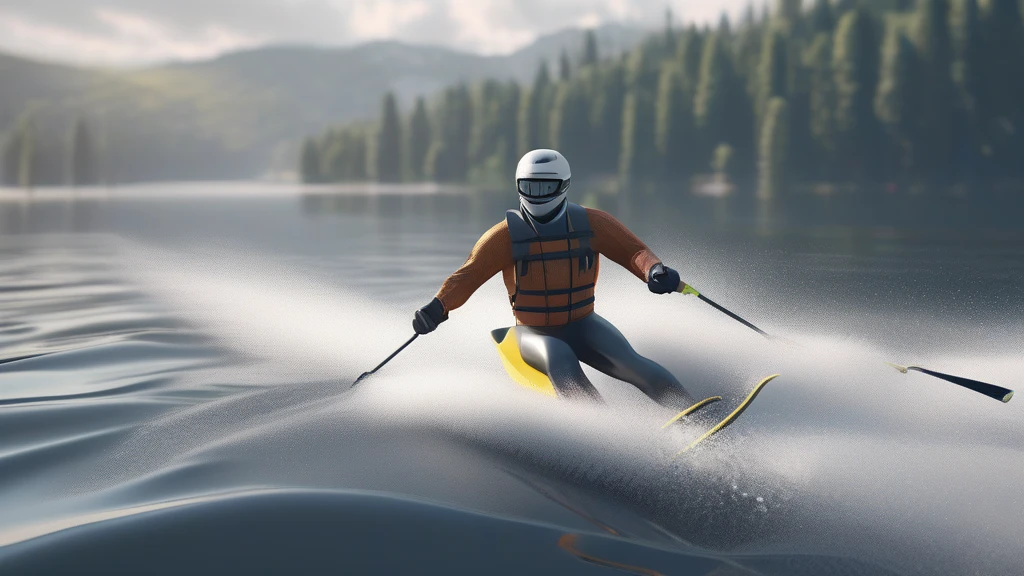
Water skiing is a thrilling blend of skill, balance, and the great outdoors. Whether you are a beginner gliding gently across a calm lake or a seasoned freestyle skier executing complex aerial tricks, your equipment plays a vital role in your performance and safety. But beyond skill level and style, weather and water conditions significantly impact your water skiing experience. Selecting the right water skis and accessories designed to withstand varying environments ensures you can enjoy your adventure no matter the weather.
This guide dives into how to weather-proof your water skiing activities by choosing the ideal skis and gear tailored for different conditions. We’ll explore product features, materials, and technologies that enhance durability, control, and safety in diverse weather scenarios—from sunny, calm days to choppy, windy waters.
Understanding Water Ski Types and Their Weather Adaptability
Water skis come in various designs, each optimized for specific skiing styles and skill levels. Knowing how these skis perform under different weather conditions helps you select the best match for your needs.
Beginner Recreational Skis: Stability in Any Weather
For newcomers, recreational skis prioritize stability and ease of use. These skis typically feature wider bodies and larger surface areas, providing better flotation and balance on choppy or calm waters alike. Constructed with durable fiberglass and polyurethane cores, they resist impact and weather-related wear.
Key weather-proofing aspects:
- Material durability: Fiberglass construction offers resistance to UV damage and water absorption.
- Adjustable bindings: Allow you to customize fit and control, essential in windy or rough water.
- Anti-slip surfaces: Improve foot grip during wet, slippery conditions.
Recreational skis with quick-release bindings and reinforced edges enhance safety if you fall unexpectedly in turbulent weather.
Freestyle Skis: Agility Meets Toughness
Freestyle skis are designed for tricks, jumps, and spins, requiring lightweight and highly maneuverable equipment. Carbon fiber and Kevlar composites are common in these models, providing a balance of strength, lightness, and flexibility.
Weather considerations:
- Lightweight materials: Carbon fiber construction reduces fatigue during longer sessions, even when battling wind resistance.
- Detachable fins: Allow adjustments to improve stability in waves or choppy water.
- Waterproof finishes: Protect the ski’s surface from moisture damage and maintain responsiveness.
Freestyle skis’ ergonomic designs and smooth edges also minimize drag caused by water turbulence, making them suitable for variable water conditions.
Speed and Slalom Skis: Precision in Challenging Conditions
Speed and slalom skis focus on agility and acceleration, often used in competitive racing and advanced skill development. These skis incorporate aluminum reinforcements and polyurethane cores to withstand high forces and maintain structural integrity.
How they weather-proof your ride:
- Reinforced frames: Aluminum elements provide high-impact resistance against debris or rough water.
- Narrow, streamlined shape: Cuts through waves efficiently, reducing instability from rough waters.
- Certified safety features: Many models meet ISO and CE safety standards, ensuring reliability under demanding conditions.
Adjustable fins and bindings further enable fine-tuning for varying water textures and wind speeds.
Show Skis: Durable and Reliable for Performance
Show skis are specialized for team displays and entertainment, requiring durability and consistent performance. They often feature eco-friendly manufacturing with sustainable materials like recycled fiberglass and non-toxic resins.
Weather-proof highlights:
- Sustainable composites: Resistant to UV light and saltwater corrosion.
- Modular components: Detachable bindings and fins allow quick adaptation to different environments.
- Enhanced grip surfaces: Important for maintaining footing during dynamic movements in wet conditions.
Robust construction and weather resistance help show skis maintain performance during outdoor events exposed to sun, spray, or occasional rain.
Materials and Technologies for Weather-Resilient Water Skis
The backbone of weather-proof water skiing gear is the advanced materials and engineering technologies used in their construction.
Carbon Fiber, Kevlar, and Fiberglass Composites
- Carbon Fiber: Offers exceptional rigidity and lightness, improving responsiveness and reducing fatigue. Its inherent strength withstands repeated impacts and resist warping in temperature fluctuations.
- Kevlar Reinforcements: Known for toughness and puncture resistance, Kevlar layers protect skis from abrasion caused by rocks or debris, common in natural water bodies.
- Fiberglass: Provides flexible yet durable shells that absorb shocks and resist cracking, important for unpredictable water surfaces.
Polyurethane Cores and Aluminum Reinforcements
- Polyurethane cores: These provide buoyancy and shock absorption, allowing skis to float well and dampen vibrations from choppy water.
- Aluminum reinforcements: Strategically placed to enhance structural integrity without adding excessive weight, crucial for maintaining shape and performance in rough conditions.
Waterproof Finishes and Anti-Corrosion Treatments
High-quality water skis feature waterproof coatings and anti-corrosion treatments that prevent water penetration, UV degradation, and saltwater damage. These finishes prolong the lifespan of skis and maintain their sleek hydrodynamic properties.
Customization for Weather: Adjustable and Detachable Features
Weather can change rapidly on the water, and so can your equipment needs. Many modern water skis incorporate customizable features to adapt to different conditions.
Adjustable Fins
- Increasing fin size or changing fin angles can improve tracking and stability in rough or windy waters.
- Smaller fins offer more agility and speed on calm days but can decrease control in choppy environments.
Detachable Bindings and Boots
- Removable bindings allow you to swap out for boots with better insulation or grip, especially useful in cooler or wet weather.
- Adjustable bindings enable a snug fit, reducing the risk of slips on wet surfaces and improving control.
Portability and Maintenance Kits
For adventurers traveling to diverse locations or unpredictable climates, compact, foldable skis with included repair kits ensure you can address minor damages promptly, keeping your equipment weather-ready.
Practical Tips for Weather-Proof Water Skiing
Assess Water and Weather Conditions Before You Ski
- Calm, sunny days: Lightweight freestyle or recreational skis with minimal fin size work well.
- Windy or choppy waters: Opt for skis with adjustable larger fins and reinforced construction.
- Cold environments: Consider bindings with thermal insulation or neoprene covers to keep feet warm.
Regular Maintenance to Enhance Weather Resistance
- Rinse skis with fresh water after exposure to salt or chlorinated water to prevent corrosion.
- Inspect bindings and fins for wear and replace parts promptly.
- Store skis in shaded, dry places to avoid UV damage and moisture build-up.
Prioritize Certified Safety Features
Look for water skis certified by recognized bodies like ISO, CE, or TÜV, ensuring they meet rigorous safety and durability standards designed to handle various weather conditions.
Conclusion
Water skiing is an exhilarating sport that invites you to embrace nature's elements. By choosing water skis crafted from advanced, weather-resistant materials and equipped with customizable features, you empower yourself to ski confidently across a spectrum of conditions—be it bright sun, gusty winds, or choppy waves. Understanding the nuances of ski types, materials, and weather-proofing technologies equips you to select gear that extends your adventure safely and comfortably, no matter what the forecast holds.
Investing time in selecting the right skis and maintaining them with weather in mind not only enhances your performance but also ensures your water skiing experiences remain vibrant, exciting, and safe throughout the seasons.