
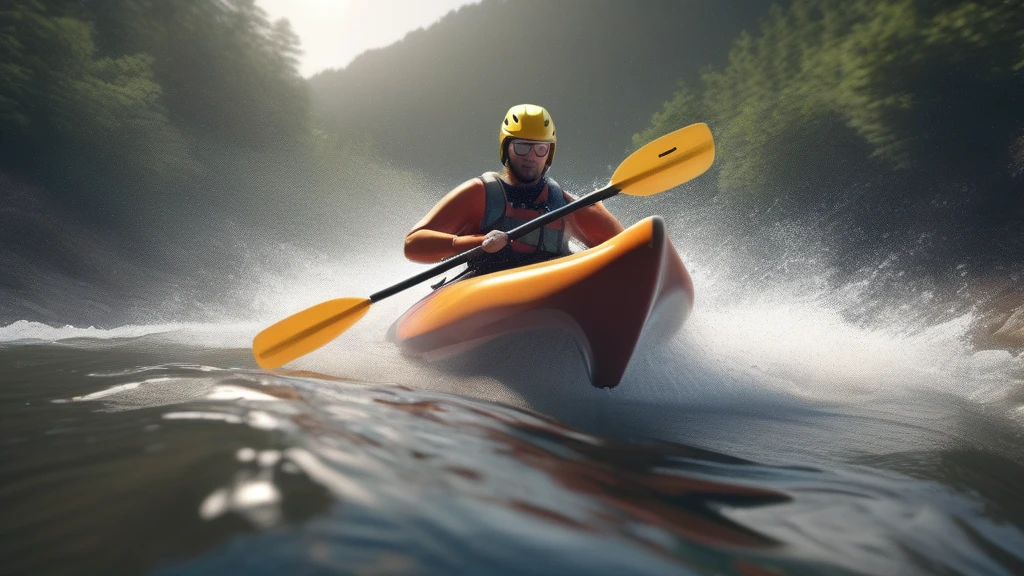
Exploring coastal waters, tidal estuaries, and expansive lakes by kayak offers an unmatched sense of freedom and connection with nature. Yet, the variable weather and water conditions encountered on these adventures demand careful preparation and the right equipment. While the term "whitewater kayaks" often evokes images of rapid river running, the category of whitewater and touring kayaks available today is geared more toward stability, endurance, and versatility in diverse aquatic environments—including tidal seas and large lakes.
In this guide, we’ll explore how to select whitewater kayaks and accessories optimized for different weather and environmental conditions. You’ll gain practical insight into materials, design features, safety certifications, and gear choices that help you weather-proof your paddling experience, whether you’re embarking on a coastal expedition or a long-distance lake journey.
Understanding Kayak Materials: Durability, Weight, and Weather Resistance
Choosing the right kayak material is foundational to your adventure’s success and safety. Each material offers distinct benefits affecting how your kayak performs under changing weather.
Carbon Fiber and Kevlar: Lightweight Strength for Endurance
Kayaks constructed from carbon fiber and Kevlar composites are prized for their exceptional strength-to-weight ratio. These materials allow for lightweight kayaks that can be maneuvered efficiently for long distances—ideal for paddlers who value speed and endurance in coastal or tidal waters.
- Weather Advantages: High UV resistance and excellent impact protection help maintain hull integrity in sunny, rough conditions.
- Considerations: These kayaks tend to be more expensive and may require careful handling to avoid deep scratches.
Fiberglass: Balanced Performance and Repairability
Fiberglass kayaks strike a balance between weight, durability, and cost. They provide solid stiffness for stable paddling in choppy conditions and can be repaired relatively easily if damaged.
- Weather Advantages: Good resistance to sunlight and moderate impacts from debris or rocks common in tidal and estuarine zones.
- Considerations: Slightly heavier than carbon or Kevlar and may absorb water if cracks develop.
Rotomolded Polyethylene and High-Density Polypropylene: Rugged Durability
For those prioritizing toughness over weight, rotomolded polyethylene and high-density polypropylene kayaks excel. These materials withstand heavy impacts, abrasions, and extreme weather fluctuations without compromising performance.
- Weather Advantages: Excellent UV resistance and virtually indestructible hulls that endure rocky shorelines and variable temperatures.
- Considerations: Heavier weight can reduce paddling efficiency but increases stability, especially in windy or rough water.
Thermoformed ABS: Lightweight and UV Resistant
Thermoformed ABS kayaks offer another lightweight option with strong UV resistance and a smooth finish, making them suitable for coastal touring where sun exposure and salt spray are constant challenges.
Matching Kayak Design to Weather and Water Conditions
Beyond materials, design features play a vital role in adapting your kayak to specific environments and weather patterns.
Stability and Hull Shape for Choppy and Windy Waters
In tidal estuaries and coastal areas prone to waves and gusts, kayaks with wider beams and rocker hulls provide enhanced stability and maneuverability. Rocker—a curvature along the hull’s length—helps the kayak respond quickly to waves and currents.
- Example: A kayak with moderate rocker and a beam width around 24-26 inches balances tracking and stability, keeping you upright in swells and chop.
Skegs and Rudders for Directional Control
Windy conditions can push kayaks off course. Integrated skegs or rudders help maintain a straight course with less paddling effort.
- Tip: Adjustable skegs enable paddlers to adapt to shifting currents and wind, improving efficiency during long coastal tours.
Compact and Foldable Designs for Portability
Weather unpredictability often requires flexibility in transportation and storage. Many modern touring kayaks offer foldable or compact designs with integrated carrying systems like shoulder straps, deck handles, or wheels.
- Benefit: These features facilitate quick loading/unloading in adverse weather, allowing you to respond to changing conditions or relocate quickly.
Solo vs. Tandem Kayaks: Weather Considerations and Skill Levels
Selecting between solo and tandem kayaks depends largely on your paddling goals, group size, and the expected weather and water challenges.
Solo Kayaks: Agility and Personal Control
Solo kayaks tend to be lighter and more maneuverable, making them ideal for intermediate to expert paddlers who want to respond swiftly to wind shifts and waves.
- Weather Advantage: Easier to adjust your position for stability and control in rough conditions.
- Suitability: Best for fitness paddling, coastal exploration, and solo expeditions where speed and endurance matter.
Tandem Kayaks: Stability and Shared Effort
Tandem kayaks typically offer higher load capacities (often up to 500 lbs), making them well-suited for carrying gear and paddling partners. Their longer hulls enhance straight-line speed but can be less responsive in tight turns.
- Weather Advantage: Greater stability in choppy water and the ability to share paddling workload during long trips.
- Suitability: Ideal for casual touring, family adventures, or when extra cargo space is necessary.
Essential Accessories for Weather-Ready Kayaking
Beyond the kayak hull itself, the right accessories ensure comfort, safety, and performance in varying weather.
Spray Skirts: Keeping You Dry and Warm
A spray skirt seals the kayak cockpit, preventing water intrusion during waves or rain. Look for skirts made from durable neoprene or waterproof nylon with adjustable closures.
- Weather Benefit: Protects against cold water spray and maintains kayak buoyancy by keeping the interior dry.
Paddles: Material and Blade Design Impact Efficiency
Selecting paddles compatible with your kayak and paddling style is crucial. Options range from carbon fiber (lightweight and stiff) to feathered blades that reduce wind resistance.
- Weather Tip: Feathered paddles can improve efficiency on windy days, reducing fatigue.
Storage Hatches and Deck Bungees: Secure Gear in Rough Conditions
Waterproof storage hatches keep essentials dry, while deck bungees provide fast-access storage for items like dry bags or safety gear.
- Practicality: Essential for multi-day touring where weather can change and gear security is paramount.
Maintenance and Care: Extending Kayak Lifespan Through Weather Protection
Proper maintenance protects your investment and ensures reliable performance in diverse conditions.
UV Protection: Shielding Your Kayak from Sun Damage
Even UV-resistant materials degrade over time. Applying UV protectant sprays and storing kayaks out of direct sunlight prolongs hull integrity.
Cleaning and Drying: Preventing Mold and Corrosion
Rinse saltwater off immediately after use, and dry thoroughly to prevent corrosion of metal fittings and mold growth inside storage compartments.
Storage Solutions: Indoor, Covered, or Using Kayak Covers
Proper storage—preferably indoors or under covers—reduces exposure to rain, snow, and temperature extremes that can weaken materials.
Safety Certifications: Why They Matter for Weather-Variable Adventures
Reputable whitewater and touring kayaks often comply with safety standards such as US Coast Guard, TÜV, CE, and ISO certifications. These ensure kayaks meet minimum requirements for buoyancy, stability, and structural integrity.
- What to Look For: Kayaks with these certifications offer peace of mind when navigating unpredictable weather and water conditions.
Conclusion
Selecting a whitewater kayak suited for all-weather adventures requires understanding the interplay of materials, design, accessories, and safety features. Whether you prioritize lightweight carbon fiber models for endurance paddling, rugged polyethylene for durability, or tandem kayaks for stability and shared effort, matching your kayak to the expected environment is key.
Incorporating features like skegs, spray skirts, and adjustable seating, combined with proper maintenance and safety awareness, equips you to face coastal winds, tidal currents, and lake waves with confidence. With the right knowledge and gear, you can weather-proof your kayaking adventures and enjoy the thrill of exploration no matter the conditions.