
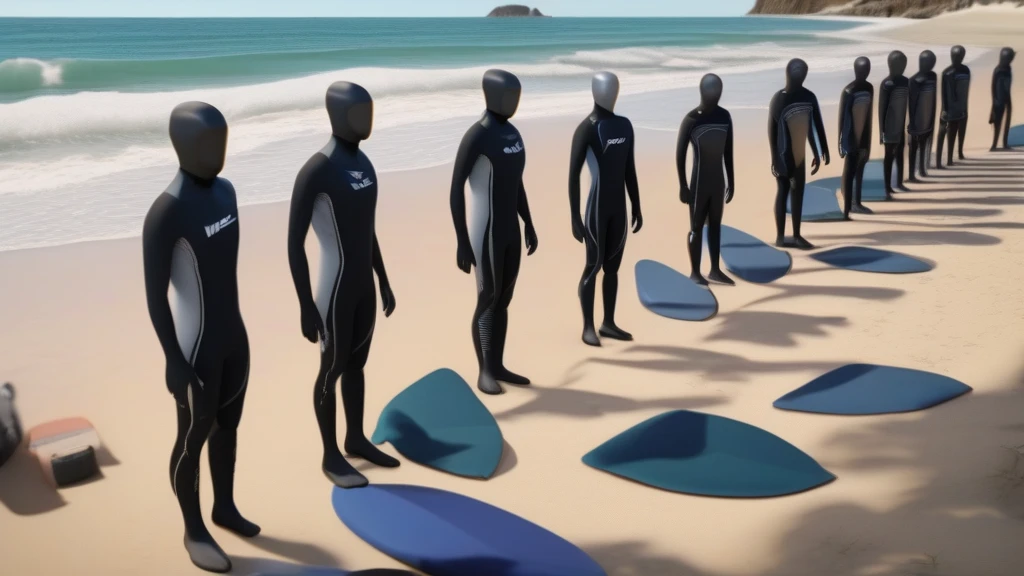
When it comes to boating and water sports, a quality wetsuit is essential gear that can make all the difference between an enjoyable experience and a chilly, uncomfortable outing. Whether you’re surfing, paddleboarding, kayaking, diving, or training for a triathlon, finding the right wetsuit tailored to your activity, water temperature, and personal needs is key to maximizing performance, comfort, and safety. Today’s wetsuit market offers a variety of types and styles, each with distinctive features, materials, and designs that cater to diverse environments and user preferences. This article provides a comprehensive comparison of the most popular wetsuit types and styles, helping you make an informed choice that fits your aquatic adventures.
Understanding Wetsuit Materials: The Foundation of Performance and Sustainability
Before diving into wetsuit styles, it’s important to grasp the materials that define their quality and environmental impact. Modern wetsuits frequently feature eco-friendly neoprene options such as limestone-based neoprene, recyclable neoprene, and biodegradable coatings. These materials not only reduce carbon footprint but also enhance flexibility and durability.
- Limestone Neoprene: Sourced from natural limestone rather than petroleum, this neoprene offers excellent stretch and thermal insulation while being more environmentally responsible.
- Recyclable Neoprene: Allows wetsuits to be repurposed after their lifecycle, reducing landfill waste.
- Biodegradable Coatings: Applied to outer layers to minimize microplastic pollution over time.
These eco-conscious materials maintain key performance attributes like multi-directional stretch, thermal insulation ranging from 2mm to 7mm, and reinforced seams (blindstitched or taped) that prevent water ingress while allowing freedom of movement.
Wetsuit Types: Which Style Fits Your Water Sport?
1. Full-Length Wetsuits
Description: Covering the entire body including arms and legs, full-length wetsuits provide maximum thermal protection and are ideal for cold to temperate water conditions.
Key Features:
- Thickness typically ranges from 3mm to 7mm, providing excellent insulation.
- Often feature ergonomic paneling to contour the body and reduce drag.
- Equipped with reinforced blindstitched seams to improve durability and waterproofing.
- Some incorporate windproof and waterproof panels on the chest and back for added protection in windy conditions.
Best For: Surfing in colder waters, diving, kayaking, and triathlon training in cooler climates.
Pros:
- Superior warmth and protection.
- Enhanced durability.
- Often include safety features like high-visibility panels and emergency whistle attachments.
Cons:
- Can feel restrictive if improperly sized.
- Longer drying times compared to shorter suits.
2. Shorty Wetsuits
Description: These suits have short sleeves and legs, typically ending above the elbow and knee, designed for warm water activities where thermal protection is less critical.
Key Features:
- Thickness ranges from 2mm to 3mm, balancing comfort and light insulation.
- Lightweight and highly flexible due to minimal coverage.
- Often include quick-dry and abrasion-resistant materials for durability.
- Ideal for activities requiring greater mobility.
Best For: Warm water surfing, paddleboarding, and recreational swimming.
Pros:
- Excellent freedom of movement.
- Quick to put on and dry.
- More breathable and less constrictive in warm conditions.
Cons:
- Limited thermal protection.
- Less coverage for sun and abrasion protection.
3. Sleeveless Wetsuits / Vests
Description: Designed without sleeves, these wetsuits prioritize upper body mobility, making them perfect for paddling or swimming where unrestricted arm movement is crucial.
Key Features:
- Thickness usually falls between 2mm and 5mm, providing core warmth.
- Often feature windproof front panels and UV resistance.
- Lightweight, with ergonomic cuts to avoid chafing.
- Frequently used as layering pieces under jackets in colder conditions.
Best For: Paddleboarding, open water swimming, kayaking, and triathlon training.
Pros:
- Maximizes arm and shoulder mobility.
- Offers core thermal protection.
- Lightweight and compact.
Cons:
- Less warmth for arms.
- Reduced protection from cold water and wind on limbs.
4. Triathlon-Specific Wetsuits
Description: Tailored for competitive triathletes, these suits combine buoyancy, flexibility, and quick transition features to enhance swim performance and race efficiency.
Key Features:
- Constructed with multi-panel ergonomic designs to optimize stroke efficiency.
- Thickness varies between 3mm and 5mm, with thinner panels around the shoulders.
- Often incorporate anti-slip surfaces on arms and legs to assist in quick gear changes.
- Highly breathable and fast-drying materials.
- May include emergency whistle attachments and other safety enhancements.
Best For: Triathlon training and races.
Pros:
- Optimized for swimming performance.
- Quick-dry and lightweight.
- Designed for rapid transitions.
Cons:
- Less durable for heavy use outside racing.
- Higher price points due to specialized features.
How to Choose the Right Wetsuit for Your Needs
Consider Water Temperature and Thickness
- Warm Water (above 70°F / 21°C): Shorty wetsuits or sleeveless vests with 2mm neoprene provide adequate comfort.
- Moderate Water (60-70°F / 16-21°C): Full-length suits with 3-4mm thickness offer balanced warmth and flexibility.
- Cold Water (below 60°F / 16°C): Full-length suits with 5-7mm thickness and windproof panels are recommended for maximum insulation.
Match the Style to Your Activity
- For surfing, look for durable suits with abrasion resistance and flexibility.
- For paddleboarding and kayaking, prioritize sleeveless or shorty styles with excellent mobility and UV protection.
- For diving, full-length thick suits with reinforced seams and thermal insulation are essential.
- For triathlons, choose specialized suits with ergonomic paneling and quick-dry fabrics.
Gender-Specific Fits
Many wetsuits offer gender-specific cuts to accommodate different body shapes. Women’s suits often include contoured waists and chest panels, while men’s designs may provide broader shoulders and longer torsos for better comfort and performance.
Additional Features to Enhance Safety and Convenience
- High-Visibility Panels: Bright colors or reflective strips improve visibility in low light or crowded waterways.
- Anti-Slip Surfaces: Prevent suit slippage during vigorous activity.
- Emergency Whistle Attachments: Integrated safety tools for water rescue situations.
- Quick-Dry and Abrasion-Resistant Fabrics: Extend wetsuit lifespan and user comfort.
- Warranty and Accessories: Many wetsuits come with repair patches, carry bags, and hangers, making maintenance easier and extending product durability.
Sustainability in Wetsuit Manufacturing
The shift toward low carbon manufacturing and use of recyclable neoprene reflects growing environmental responsibility in the water sports industry. Choosing wetsuits made from eco-friendly materials helps reduce plastic pollution and carbon emissions. When shopping, consider:
- Wetsuits labeled with biodegradable coatings.
- Brands that offer recycling programs for old wetsuits.
- Products manufactured with energy-efficient processes.
This conscious choice supports the health of aquatic ecosystems you enjoy.
Conclusion
Selecting the right wetsuit involves balancing multiple factors: water temperature, activity type, mobility needs, and environmental considerations. Whether you opt for a full-length insulated suit for cold-water surfing or a sleek triathlon wetsuit designed for speed and efficiency, understanding the unique features of each style empowers you to choose gear that enhances your aquatic experience.
Remember to consider the suit’s material composition, ergonomic design, and safety features alongside your personal preferences to ensure maximum comfort, protection, and sustainability. With the right wetsuit, you’re not only better prepared to face the elements but also contributing to a more eco-friendly future in boating and water sports.