
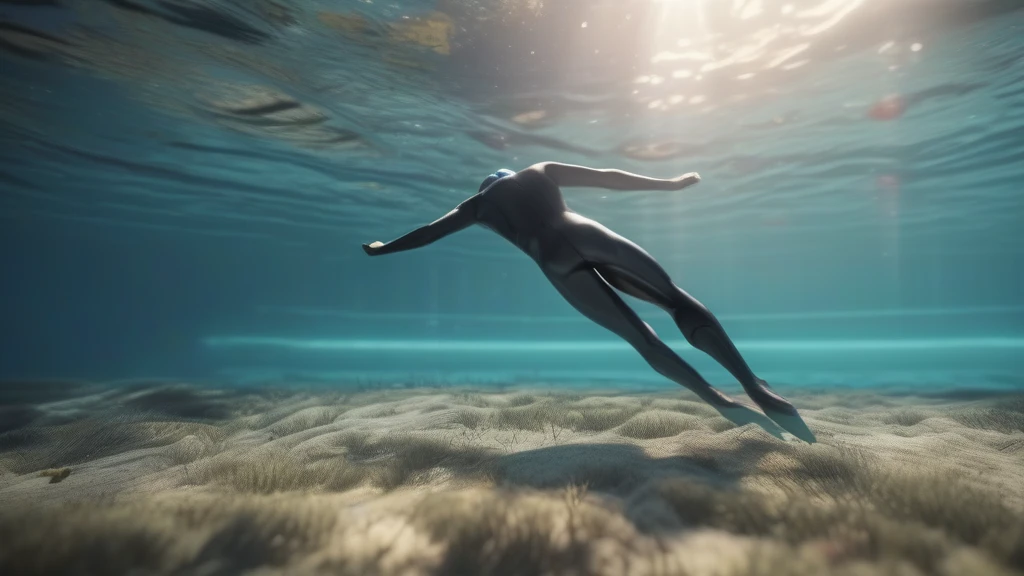
Freediving is a captivating underwater sport that demands a unique blend of skill, breath control, and equipment tailored to maximize efficiency and comfort beneath the waves. Among all the gear choices, fins stand out as an essential piece that significantly influences a freediver’s performance. While many might think all fins serve the same purpose, freediving fins possess distinct characteristics, especially in blade length and flexibility, setting them apart from snorkeling or scuba fins.
In this article, we will explore what makes freediving fins unique, focusing on how blade length and flexibility impact propulsion, energy conservation, and overall diving experience. Whether you’re a beginner eager to understand the basics or an experienced diver refining your gear choices, this guide will help you appreciate why freediving fins are engineered the way they are.
Understanding the Role of Fins in Freediving
Before diving into the specifics of blade length and flexibility, it’s important to understand why fins matter so much in freediving. Unlike scuba diving, freedivers rely solely on their own breath-holding ability, which makes efficient energy use crucial. Every kick counts, as wasted effort can shorten dive time and reduce safety margins.
Freediving fins are designed to maximize thrust with minimal effort, allowing divers to glide smoothly and maintain control at varying depths. This contrasts with recreational snorkeling fins, which prioritize ease of use at the surface, or scuba fins, which often accommodate heavier gear and slower, bulkier movements.
Blade Length: The Key to Efficient Propulsion
Why Longer Blades?
One of the most noticeable features of freediving fins is their extra-long blades. These blades can be significantly longer than those found on snorkel or scuba fins, sometimes extending well beyond the foot pocket.
- Enhanced Thrust: Longer blades create a larger surface area, pushing more water with each kick. This increased propulsion helps freedivers move efficiently through water, reducing the number of kicks needed to cover a distance.
- Energy Conservation: By generating more thrust per kick, longer blades help conserve oxygen by lowering the diver’s physical exertion. This is vital for extending dive times and maintaining calm, controlled movements.
- Streamlined Movement: The length of the blade encourages a slow, deliberate kick technique, which minimizes turbulence and drag, enhancing overall hydrodynamics.
Considerations When Choosing Blade Length
While longer blades offer advantages, they also require more leg strength and proper technique to avoid muscle fatigue or strain. Beginners may find very long blades challenging initially but can benefit from gradual adaptation and training.
Some freediving fins come with blades of varying lengths or the option to swap blades, allowing divers to customize based on their skill level and diving conditions.
Blade Flexibility: Balancing Power and Comfort
The Importance of Flexibility
Blade flexibility plays a critical role in how easily a fin responds to each kick and how much power it delivers. Freediving fins generally feature blades that are more flexible than scuba fins but stiffer than some snorkeling fins.
- Energy Efficiency: A well-designed flexible blade stores energy during the downstroke and releases it on the upstroke, much like a spring. This elasticity reduces the physical effort required to maintain propulsion.
- Smooth Kicking Motion: Flexibility allows for smoother, less jerky kicks, which helps reduce muscle fatigue and prevents rapid oxygen consumption.
- Control and Maneuverability: Flexible blades offer better control when making subtle directional adjustments underwater, important for freedivers navigating tight spaces or focusing on buoyancy.
Material Choices Affecting Flexibility
Materials like fiberglass, carbon fiber, and thermoplastic rubber are commonly used to achieve optimal flexibility and durability.
- Fiberglass: Provides a good balance of stiffness and flex, favored by many freedivers for its responsiveness and moderate weight.
- Carbon Fiber: Offers superior energy return and lightweight characteristics but tends to be stiffer and more expensive, often preferred by advanced freedivers.
- Thermoplastic Rubber: Found in more affordable fins, it tends to be softer and more forgiving but may lack the thrust efficiency of composite materials.
Additional Features Enhancing Freediving Fins
Foot Pocket Design
Freediving fins often feature closed heel foot pockets made from soft, durable materials like silicone or neoprene, ensuring a snug fit that reduces water resistance and prevents chafing during long dives.
Adjustability is less common compared to open-heel scuba fins, as a secure, precise fit is critical for transferring power efficiently from the legs to the fins without energy loss.
Weight and Hydrodynamics
Since freedivers aim to move fluidly and quietly, freediving fins are designed to be lightweight yet sturdy. The balance between blade length and material density is crucial to avoid excessive drag or muscle strain.
Many models incorporate hydrodynamic shaping, such as tapered edges or channeling grooves, to improve water flow and reduce resistance.
How to Choose Freediving Fins Based on Blade Length and Flexibility
Assess Your Skill Level and Physical Strength
- Beginners: Should consider fins with moderate blade length and medium flexibility to build strength and technique gradually.
- Intermediate Freedivers: Might opt for longer blades with balanced stiffness to improve propulsion while maintaining comfort.
- Advanced Divers: Often prefer very long, carbon-fiber blades with tailored flexibility for maximum efficiency and precise control.
Consider Your Diving Environment
- In calm, warm waters, longer and stiffer blades can deliver excellent performance.
- In more confined or rough conditions, shorter or more flexible blades may offer better maneuverability and comfort.
Try Before You Buy
If possible, testing different fin types in the water can provide insights into what blade length and flexibility best suit your kicking style and physical capacity.
Conclusion
Freediving fins stand apart from other diving and snorkeling fins primarily due to their emphasis on blade length and flexibility, engineered to optimize propulsion efficiency and energy conservation. Longer blades provide the thrust needed for smooth, powerful kicks, while flexible materials enable a natural, energy-efficient motion essential for breath-hold diving.
Selecting the right freediving fins involves balancing these features with personal skill, strength, and diving conditions. Understanding these unique characteristics empowers divers to make informed choices, enhancing both performance and enjoyment beneath the surface.
By appreciating how blade length and flexibility influence freediving fins, enthusiasts can better tailor their equipment to support safe, effective, and exhilarating underwater adventures.