
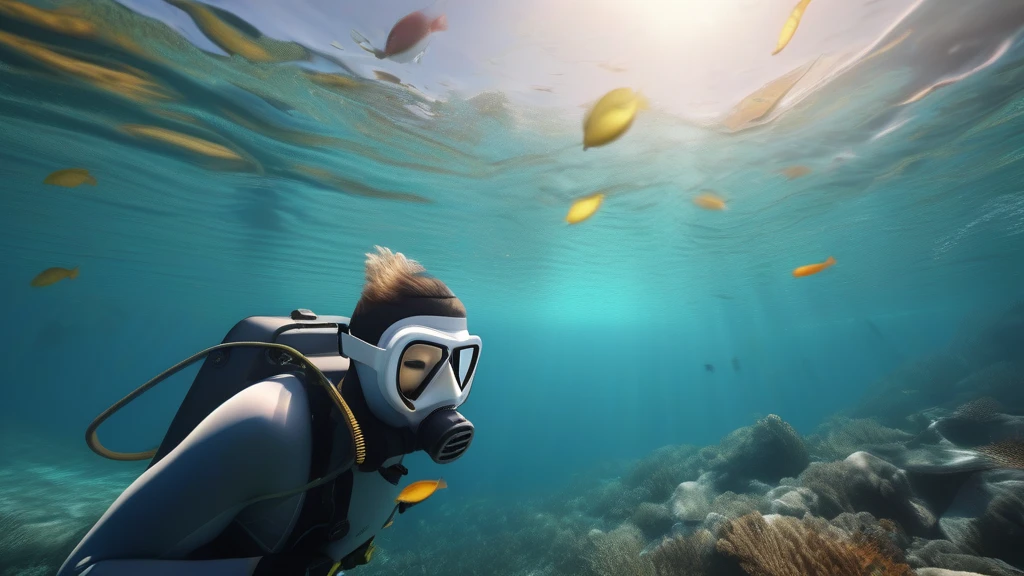
When diving or snorkeling, your mask is more than just a piece of gear that helps you see underwater—it’s an essential safety device. Choosing a mask that meets recognized safety standards offers peace of mind and ensures the product has undergone rigorous testing for durability, fit, and performance. Among the most important certifications you’ll encounter in the diving mask market are ISO and CE marks. Understanding what these certifications signify can help you make an informed decision and select a mask that supports both your underwater experience and your safety.
Why Safety Certifications Matter in Diving Masks
Diving and snorkeling masks must withstand challenging environments—water pressure, temperature changes, impacts, and prolonged exposure to saltwater and sunlight. Masks that fail under these conditions not only compromise your vision but can also pose safety risks such as leaks, lens breakage, or strap failure.
Safety certifications act as independent verification that a mask meets established quality and safety benchmarks. These certifications require manufacturers to submit their products for thorough testing that goes beyond marketing claims. For divers and snorkelers, certification means:
- Assurance of Material Quality: The silicone skirts, tempered glass lenses, and frame materials are tested for durability and safety.
- Reliable Seal and Fit: Masks must create a secure, leak-proof seal to prevent water intrusion.
- Lens Safety: Lenses are evaluated for impact resistance and optical clarity.
- Strap and Buckle Strength: Adjustable components must withstand tension without breaking.
- Environmental and User Safety Compliance: Materials used are often tested for hypoallergenic properties and environmental impact.
By choosing a certified mask, you reduce the risk of equipment failure and enjoy better performance underwater, especially during demanding activities like freediving or spearfishing.
Understanding ISO Certification for Diving Masks
What is ISO?
ISO stands for the International Organization for Standardization, an independent, non-governmental international body that develops and publishes standards covering various industries. These standards ensure products and services are safe, reliable, and of good quality.
ISO Standards Relevant to Diving Masks
For diving masks, the most relevant standard is ISO 18527, which specifies requirements and test methods for snorkeling and diving masks. This standard covers key aspects such as:
- Materials: Ensuring components like silicone skirts and tempered glass lenses meet safety and durability criteria.
- Design: Evaluating the mask’s structural integrity and ability to form a watertight seal.
- Performance Testing: Subjecting masks to impact tests, pull tests on straps and buckles, and pressure resistance to simulate underwater conditions.
- Optical Quality: Assessing lens clarity, distortion, and resistance to shattering.
Masks that comply with ISO 18527 have passed a series of stringent tests confirming they can safely perform in typical underwater environments.
What ISO Certification Means for You
- You can trust the mask to be constructed from high-quality, non-toxic materials.
- The mask has been tested to resist impact and pressure changes without compromising safety.
- The design has been evaluated for comfort and leak prevention.
- You’re more likely to have a reliable mask that lasts longer and performs consistently.
What the CE Mark Indicates on Diving Masks
What is CE Marking?
The CE mark is a certification symbol indicating that a product complies with European Union (EU) health, safety, and environmental protection standards. While CE marking covers a wide range of products, for diving masks, it affirms conformity with relevant EU directives.
CE Certification in the Context of Diving Masks
Diving masks bearing the CE mark have met the requirements outlined in EU regulations such as:
- Personal Protective Equipment (PPE) Regulation (EU) 2016/425: Masks classified as PPE must protect users against hazards, in this case, water intrusion, lens breakage, or strap failure.
- Material Safety: Ensures hypoallergenic and eco-friendly components.
- Manufacturing Controls: Certifies that production processes are consistently monitored and controlled.
Why CE Certification Matters to Divers
- It guarantees the mask meets strict European safety and quality standards.
- CE-marked masks have undergone independent testing and factory inspections.
- It provides reassurance that the product is safe to use in demanding underwater conditions.
- For European customers, it is often a legal requirement for selling diving gear.
Other Certifications and Testing Bodies
While ISO and CE are the most widely recognized, some diving masks also carry certifications or testing verifications from other organizations, such as:
- TÜV Certification: A German-based technical inspection association that tests product safety and performance.
- ANSI Standards: Though less common in diving masks, some components may adhere to American National Standards.
- Environmental Certifications: Some brands go further to certify their materials as eco-friendly or sustainably sourced.
These additional certifications can add another layer of confidence in the product’s safety and environmental responsibility.
How to Use Safety Certifications When Choosing Your Mask
Match the Certification to Your Needs
- Recreational Snorkelers: Look for masks with at least ISO 18527 compliance and CE marking to ensure basic safety and comfort.
- Freedivers and Spearfishers: Prioritize masks with low internal volume, durable frames, and certified impact resistance for performance and safety.
- Underwater Photographers and Professionals: Seek masks with advanced lens coatings and certifications ensuring optical clarity and long-lasting durability.
Don’t Rely Solely on Certification
While certifications are crucial, also consider:
- Fit and Comfort: A certified mask won’t perform well if it doesn’t fit your face properly.
- Lens Features: Anti-fog, UV protection, polarized lenses enhance your underwater visibility.
- Adjustability: Quality buckles and straps improve comfort and reliability.
- Maintenance Requirements: Certified masks often come with guidelines to maintain their integrity and prolong lifespan.
Final Thoughts: Certification as a Foundation for Safe Diving
Selecting a diving or snorkeling mask that carries ISO and CE certifications is a smart step toward safeguarding your underwater adventures. These marks indicate that the mask has passed international and regional safety standards, assuring you of material quality, design soundness, and reliable performance.
However, certification should complement other important factors like fit, lens quality, and intended use. By combining certified safety with personal preferences and activity-specific features, you can find a mask that not only protects you but also enhances your underwater experience.
Remember, a mask is your window to the underwater world—make sure it’s one you can trust.