
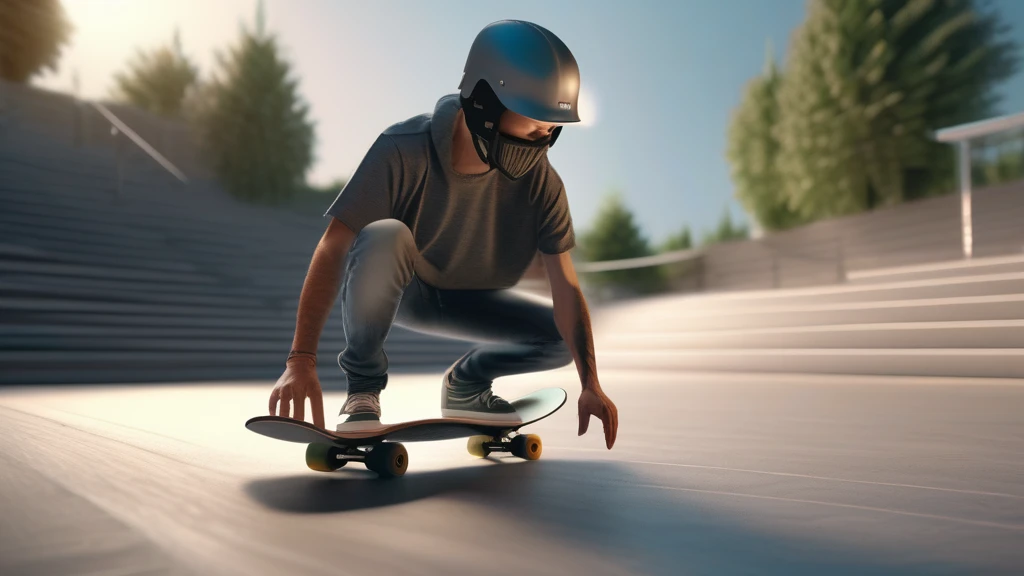
When it comes to skate helmets, safety is the top priority. These helmets are designed to protect your head during skateboarding, BMX riding, scootering, rollerblading, and other active outdoor sports. However, beyond the robust materials and safety certifications, understanding the warranty and replacement policies of your skate helmet is equally important. These policies not only safeguard your investment but also ensure that you consistently have reliable protection. In this article, we’ll explore everything you need to know about skate helmet warranties and replacement policies, helping you make informed decisions and stay safe on your adventures.
Why Warranties Matter for Skate Helmets
Skate helmets are crafted with durable materials like polycarbonate shells, EPS foam liners, and sometimes advanced reinforcements such as carbon fiber or MIPS (Multi-directional Impact Protection System). Despite their strength, helmets are subject to wear and tear, accidental damage, and manufacturing defects. A comprehensive warranty offers peace of mind, guaranteeing that the manufacturer stands behind the quality and durability of their product.
What Do Skate Helmet Warranties Typically Cover?
Most skate helmet warranties cover defects in materials and workmanship. This means if your helmet’s shell cracks prematurely, the foam liner deteriorates abnormally, or the straps and buckles fail due to poor manufacturing, you can get a repair, replacement, or refund. Typical coverage includes:
- Structural integrity issues: Cracks, delamination, or shell damage not caused by accidents.
- Faulty components: Broken buckles, defective adjustment systems, or compromised padding.
- Manufacturing flaws: Imperfect assembly or weak points in the helmet design.
However, warranties generally do not cover damage resulting from impacts or normal wear and tear. This distinction is crucial because helmets are designed to absorb impact energy through controlled damage, which means once a helmet has been involved in a crash, it may no longer provide adequate protection, even if no visible damage exists.
Understanding Replacement Policies After an Impact
Unlike many other sporting goods, helmets have a unique safety lifecycle. The EPS foam liner inside the helmet is engineered to crush upon impact to reduce the force transmitted to your head. Because this damage can be invisible to the naked eye, experts recommend replacing your skate helmet after any significant impact, regardless of visible damage.
How Do Replacement Policies Work?
Replacement policies vary between brands and retailers but typically include:
- Crash Replacement Programs: Some manufacturers offer discounted or free replacement helmets if yours has been involved in a crash. You may need to provide proof of purchase and sometimes the damaged helmet itself.
- Time Limits: Crash replacement offers often have a time window (e.g., within one year of purchase) during which you can claim a replacement.
- Proof Requirements: Some programs require photos of the helmet or a description of the incident to verify the claim.
Why You Should Replace Your Helmet After an Accident
Because the internal structure of a skate helmet can be compromised after an impact, continuing to use it increases the risk of injury. Even minor impacts can reduce the helmet’s ability to absorb shocks in future incidents. Therefore, replacing your helmet after a crash is essential for maintaining optimum safety.
Tips for Navigating Warranty and Replacement Policies
1. Read the Warranty Details Before Purchasing
Take the time to review the warranty terms before buying. Look for:
- Length of coverage (usually 1-5 years for manufacturing defects)
- What is and isn’t covered
- Instructions for filing a claim
Understanding these details upfront helps avoid surprises later.
2. Keep Your Proof of Purchase
Always save your receipt or order confirmation. This documentation is usually necessary to validate warranty claims or replacement requests.
3. Inspect Your Helmet Regularly
Check for cracks, dents, or loose parts after every skating session. Early detection of damage can make warranty claims smoother and also keeps you safer.
4. Register Your Helmet
Many manufacturers encourage registering your helmet online. Registration can simplify warranty service and crash replacement claims.
5. Follow Maintenance Guidelines
Proper care, such as cleaning with mild soap, avoiding harsh chemicals, and storing the helmet in a cool, dry place, can prolong its life and maintain warranty eligibility.
Common Questions About Skate Helmet Warranties
How Long Do Skate Helmet Warranties Last?
Most warranties last between 1 and 5 years from the date of purchase. However, the protective lifespan of a helmet is generally recommended to be no more than 5 years regardless of warranty, due to material degradation over time.
Can I Transfer My Helmet Warranty if I Resell It?
Typically, skate helmet warranties are non-transferable and apply only to the original purchaser.
What Happens If My Helmet Gets Damaged Outside of a Crash?
Damage from drops, exposure to extreme heat, or improper storage might not be covered under warranty. It’s important to handle your helmet carefully and avoid conditions that could degrade the materials.
Final Thoughts: Choosing a Helmet with Reliable Warranty and Replacement Policies
When selecting a skate helmet, prioritize not only safety certifications and comfort features but also the warranty and replacement policies. A solid warranty ensures you’re protected against manufacturing defects, while a thoughtful replacement program encourages responsible helmet use after impacts, reinforcing your safety.
As skate helmets continue to evolve with eco-friendly materials, advanced impact mitigation technologies, and improved ergonomics, these policies provide an added layer of consumer confidence. By understanding what warranties cover and how replacement policies work, you can better protect yourself and make smarter choices about your protective gear investment.
Remember, a helmet is your first line of defense in outdoor recreation—keeping it in good condition and replacing it when needed is key to enjoying your sport safely.