
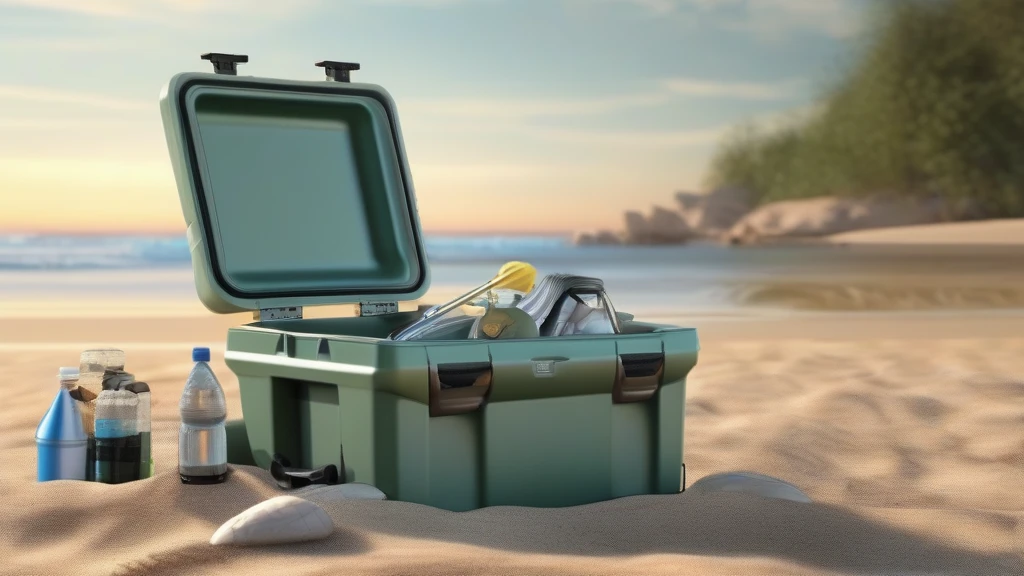
As outdoor activities continue to grow in popularity, the demand for reliable, innovative coolers has never been higher. Whether you're planning a family picnic, a beach day, a camping trip, or a fishing expedition, having the right cooler can make all the difference in keeping your food and beverages fresh and chilled. In 2025, the cooler market is buzzing with exciting trends that blend cutting-edge insulation technology, sustainable materials, and enhanced portability. This article dives deep into what's hot in coolers this year, offering practical insights and advice to help you choose the best cooling solution for your adventures.
The Evolution of Cooler Types: Hard, Soft, Electric, and Hybrid
Coolers today come in a variety of forms, each tailored to different user needs and scenarios. Understanding these types is fundamental to picking the right cooler.
Hard-Shell Rotomolded Coolers: The Rugged Workhorses
Rotomolded hard coolers remain a top choice for serious outdoor enthusiasts. Crafted from robust rotomolded plastic, these coolers offer superior durability, impact resistance, and weatherproof performance. Their double-walled, vacuum-sealed insulation systems can retain ice for 48 to 72 hours, making them ideal for multi-day camping trips or fishing excursions. Key features often include lockable lids for security, leakproof liners for spill prevention, and easy-drain systems to remove melted ice effortlessly.
For example, a typical 75-quart rotomolded cooler can store enough food and drinks for a large group, while its UV-resistant exterior protects it from sun damage during long outdoor exposure.
Soft-Sided Fabric Coolers: Lightweight and Versatile
Soft-sided coolers have surged in popularity thanks to their portability and flexible designs. Constructed from high-density polyester nylon or EVA foam, these fabric coolers are lightweight and easy to carry, often featuring padded backpack straps or ergonomic handles. Their insulation — usually gel-based or hybrid foam layers — can keep contents chilled for 12 to 24 hours, perfect for day trips, beach outings, or quick picnics.
Many models now incorporate anti-stain and water-resistant coatings, along with leakproof liners to enhance usability and cleanup. Compact 12-can soft coolers are especially popular for solo hikers or small families.
Electric Coolers: Convenience Meets Technology
Electric coolers represent the fastest-growing segment in 2025. Powered by rechargeable batteries or vehicle 12V sockets, these coolers maintain constant temperatures without the need for ice, offering multi-day cooling convenience. Their hybrid insulation combines vacuum-sealed panels with electronic cooling elements, enabling temperature control as low as 32°F (0°C).
Ideal for long road trips, tailgating events, or fishing trips where ice supply is limited, electric coolers often feature digital displays, USB charging ports, and quiet operation. Despite being heavier than soft coolers, advances in lightweight materials and ergonomic handles have made them more portable than ever.
Collapsible Coolers: Space-Saving Innovation
Collapsible coolers are emerging as a trendy option for urban dwellers and campers who prioritize storage efficiency. Made from flexible, durable fabrics with insulated walls, these coolers fold down flat when empty, saving space in vehicles or closets. Though their ice retention typically ranges from 12 to 18 hours, they are ideal for short outings or as secondary coolers to complement larger units.
Key Trends Driving Cooler Innovation in 2025
Several technological and design trends are reshaping the cooler landscape this year.
Advanced Insulation Technologies for Extended Ice Retention
Manufacturers are pushing boundaries with hybrid insulation systems that combine vacuum-sealed panels, gel inserts, and high-density foam layers to maximize ice retention. Some premium hard coolers now guarantee ice preservation for up to 72 hours, while soft coolers are closing the gap with improved gel-based insulation.
These advancements allow users to plan longer trips with confidence that their perishables will stay fresh without constant ice replenishment.
Eco-Friendly and Sustainable Materials
Sustainability is a key focus in 2025. Many coolers now feature BPA-free, recyclable components, and incorporate eco-conscious materials such as recycled polyester nylon fabrics or bio-based plastics. Some manufacturers emphasize low-impact manufacturing processes and biodegradable packaging, appealing to environmentally aware consumers.
This trend aligns with the growing desire among outdoor enthusiasts to minimize their ecological footprint while enjoying nature responsibly.
Enhanced Portability and Ergonomic Design
Portability remains a top priority, especially for active users like hikers and fishermen. Coolers with ergonomic non-slip handles, padded backpack straps, and lightweight yet durable construction are in high demand. Wheeled coolers with telescoping handles are also popular for transporting heavier loads over rough terrain.
Innovations such as foldable handles and removable shoulder straps add versatility, enabling users to customize how they carry their cooler depending on the activity.
Multifunctional Features for Added Convenience
Modern coolers are increasingly multifunctional. Features such as built-in bottle openers, cup holders, removable dividers for organized storage, and lockable lids enhance the user experience. Leakproof liners and anti-stain coatings simplify cleaning and maintenance, extending product longevity.
Electric coolers often include digital temperature controls, USB ports, and quiet compressors, blending tech convenience with traditional cooling.
Choosing the Right Cooler for Your Outdoor Lifestyle
Selecting the best cooler depends on your typical use cases, group size, and personal preferences. Here’s a comparative guide to help you decide.
For Day Trips and Light Use: Soft-Sided and Collapsible Coolers
If you’re heading out for a few hours to the beach or park, a compact soft-sided cooler or a collapsible model will suffice. Look for lightweight fabric coolers with gel-based insulation and leakproof liners. Backpack-style options offer hands-free convenience, and anti-stain coatings make cleanup a breeze.
For Extended Camping and Group Events: Hard-Shell Rotomolded Coolers
When durability and maximum ice retention are critical, hard-shell rotomolded coolers shine. Their rugged construction withstands rough handling and environmental exposure. Opt for large-capacity models (50+ quarts) with vacuum-sealed double walls, easy-drain systems, and lockable lids to secure your supplies on multi-day trips.
For Road Trips and Tailgating: Electric Coolers
If you want hassle-free cooling without ice, electric coolers are the way to go. Prioritize models with adjustable temperature settings, USB charging, and battery compatibility. Although heavier, their consistent performance and tech features justify the extra weight for longer journeys or social events.
For Fishing and Hiking: Portability with Specialized Features
For active pursuits like fishing or hiking, portability is paramount. Soft coolers with padded backpack straps or wheeled hard coolers with telescoping handles provide ergonomic transport. Waterproof and UV-resistant exteriors protect your cooler from harsh conditions, while removable dividers allow for organized storage of bait, drinks, and snacks.
Maximizing Ice Retention and Cooler Efficiency
Regardless of cooler type, you can extend ice retention and maintain freshness with these tips:
- Pre-chill the cooler: Cool down the interior before packing by adding ice or ice packs an hour ahead.
- Use block ice: Larger ice blocks melt slower than cubed ice, preserving temperature longer.
- Pack strategically: Place items you’ll use first on top, and keep raw foods separate from beverages.
- Limit frequent opening: Every time you open your cooler, cold air escapes, so minimize lid openings.
- Keep cooler shaded: Avoid direct sunlight to reduce heat exposure and maintain internal temperature.
- Utilize dry ice carefully: For extra-long trips, dry ice provides cold temperatures but requires proper handling and ventilation.
Maintenance and Cleaning Best Practices
Maintaining your cooler ensures optimal performance and longevity.
- Regular cleaning: Use mild soap and warm water to clean interiors after each use. Avoid harsh chemicals that can damage liners.
- Dry completely: Prevent mold and odors by allowing your cooler to dry fully before storage.
- Inspect seals and drains: Check gaskets and drain plugs for wear and replace if necessary to maintain leakproof functionality.
- Store with lid open: To avoid stale smells, store your cooler with the lid ajar in a dry, cool place.
- Treat fabric exteriors: For soft coolers, apply fabric protectants to maintain water resistance and prevent stains.
Final Thoughts
The 2025 cooler market offers an impressive range of options designed to meet the diverse needs of outdoor lovers. From ultra-durable hard-shell rotomolded models to lightweight soft coolers and high-tech electric units, innovation and sustainability drive the latest trends. By understanding the features, materials, and technologies available, you can select a cooler that perfectly aligns with your lifestyle and environmental values.
Whether you’re planning a short day trip or an extended outdoor expedition, investing time in researching cooler types, insulation effectiveness, and portability features will ensure your food and beverages stay fresh and chilled, making every adventure more enjoyable.