
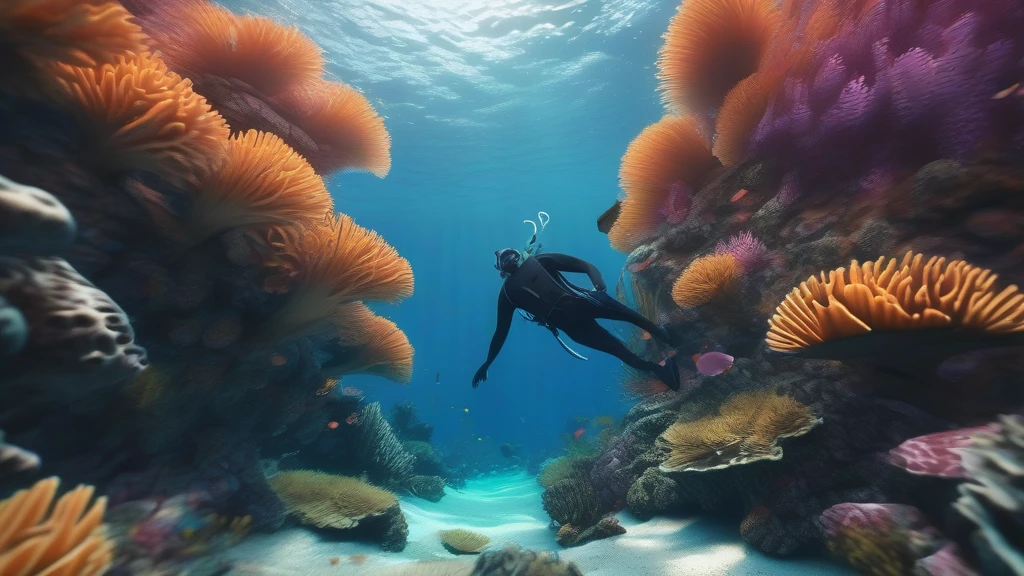
Diving and snorkeling fins are essential gear for anyone venturing beneath the waves, providing the propulsion needed to explore underwater worlds with ease and efficiency. As we step into 2025, the landscape of diving and snorkeling fins continues to evolve with innovative designs, sustainable materials, and user-centric features that cater to a broad spectrum of enthusiasts — from casual snorkelers and beginner divers to professional freedivers and technical divers.
In this article, we’ll explore the latest trends shaping the Diving & Snorkeling Fins category this year. We’ll cover innovations in blade technology, ergonomic design enhancements, eco-friendly manufacturing, and specialized fins tailored to specific underwater activities. Whether you’re selecting your first pair or upgrading your kit, understanding these trends will help you make informed choices that elevate your underwater experience.
Innovations in Blade Technology: Efficiency Meets Versatility
One of the most dynamic areas of development in fins is blade design. The right blade affects propulsion efficiency, energy conservation, and maneuverability underwater. This year, several blade technologies are trending among various user groups.
Split Blades: Reducing Drag, Enhancing Kick Efficiency
Split blade fins continue to gain popularity for their unique ability to reduce drag and channel thrust more effectively. By splitting the blade into two or more segments, these fins flex independently, creating a flutter-like motion that reduces resistance and conserves energy. This makes them ideal for recreational snorkelers and beginner divers who benefit from easier kicks and less fatigue during longer swims.
Vented Blades: Balanced Power and Flexibility
Vented fins feature strategically placed openings in the blade that allow water to pass through, reducing strain on the legs while maintaining strong thrust. These fins are especially favored by underwater photographers and technical divers who require both power and precise control to stabilize and maneuver in delicate environments.
Paddle and Flexible Blades: Classic and Adaptable
Traditional paddle fins remain a staple due to their straightforward design and reliable performance. Recent 2025 models often incorporate flexible materials like thermoplastic rubber or silicone that provide a smooth, natural kicking motion. Freedivers, in particular, appreciate extra-long flexible blades that maximize thrust with minimal effort, allowing for slow, energy-efficient ascents and descents.
Ergonomic Fit and Adjustability: Comfort Meets Security
A major focus in 2025 diving fins is ergonomic fit. Enhanced comfort not only improves underwater performance but also reduces the risk of blisters, cramps, and fatigue.
Adjustable Heel and Foot Pocket Systems
Modern fins frequently feature open or closed heel designs equipped with adjustable sizing systems. Quick-release buckles or stretchable straps enable users to customize the fit for secure wear during vigorous activity. Beginners often prefer open-heel fins with quick-release buckles for easy on/off and size adjustment, while technical divers may opt for closed-foot pockets made of neoprene or silicone for a snug, glove-like fit.
Anti-Slip Soles and Surface Safety
Another notable trend is the integration of anti-slip soles or pads on fin bottoms. This feature provides traction when walking on slippery boat decks or rocky shorelines, improving safety without sacrificing fin flexibility or hydrodynamics.
Sustainable Materials and Environmental Responsibility
Environmental sustainability is a growing priority in outdoor recreation gear, and diving fins are no exception. The 2025 market showcases several eco-conscious innovations.
Lightweight, Durable, and Recyclable Components
Manufacturers are increasingly adopting materials like carbon fiber and fiberglass for blade construction, providing lightweight strength with lower environmental footprints. Thermoplastic rubber and silicone components are now often produced from recyclable or biodegradable sources. This shift reduces reliance on traditional plastics and minimizes waste.
Low-Impact Manufacturing and Certifications
Beyond materials, some brands embrace low-carbon manufacturing processes and non-toxic treatments to lessen their ecological impact. Certifications such as ISO, CE, and TÜV reassure consumers of product safety, quality, and environmental compliance.
Travel-Friendly Fins: Portability Without Compromise
With diving adventures becoming more accessible worldwide, portability is a top consideration. Compact, foldable fins with included travel bags are trending for divers on the move.
Foldable and Modular Designs
Foldable fins utilize flexible materials and hinge mechanisms that allow blades to fold alongside the foot pocket, reducing packing volume dramatically. Modular fins with interchangeable blades offer customization and ease of transport, enabling divers to adapt their fins to different environments while traveling light.
Lightweight Materials for Easy Carrying
Using carbon fiber and fiberglass not only improves performance but also keeps weight down, making these fins comfortable to carry over long distances or on flights.
Specialized Fins: Tailored Performance for Specific Activities
Diving fins are no longer one-size-fits-all; specialized designs cater to distinct underwater pursuits.
Freediving Fins: Extra-Long Blades and Flexibility
Freediving fins prioritize thrust efficiency and low energy consumption. They often feature extra-long carbon fiber or fiberglass blades with a high degree of flexibility. This allows freedivers to glide effortlessly with slow, controlled kicks, essential for conserving oxygen during deep or prolonged dives.
Technical Diving Fins: Carbon Fiber and Advanced Propulsion
Technical divers demand fins that can handle the rigors of cave diving, wreck penetration, and extended bottom times. High-performance fins crafted from carbon fiber with channel-thrust or vented blade designs offer powerful propulsion, durability, and precise control.
Underwater Photography Fins: Maneuverability and Stability
For underwater photographers, maneuverability is key. Fins with vented blades and shorter paddle designs enable smooth, subtle movements without disturbing marine life or sediment. Anti-slip soles and adjustable straps also aid stability during surface transitions.
Choosing the Right Fins for You: Practical Tips
Selecting fins that align with your skill level, diving style, and environmental values involves considering the following:
- Skill Level: Beginners benefit from comfortable, adjustable fins with split or vented blades that reduce fatigue. Experienced freedivers and technical divers should look for specialized fins with carbon fiber or fiberglass blades for maximum efficiency.
- Activity Type: Recreational snorkelers can prioritize ease of use and comfort, while underwater photographers need maneuverable fins with precise control. Travel enthusiasts should seek compact, foldable options.
- Fit and Comfort: Ensure the fins offer adjustable heel straps or snug closed-foot pockets suited to your foot shape. Look for anti-slip soles if you often walk on slippery surfaces.
- Material and Sustainability: Choose fins made from eco-friendly, durable materials that withstand saltwater and sun exposure without degrading.
- Performance Features: Consider blade type (split, vented, paddle), length, and flexibility based on the propulsion and control you require underwater.
Conclusion
The Diving & Snorkeling Fins category in 2025 reflects a blend of technological innovation, ergonomic design, and environmental mindfulness. Whether you’re a casual snorkeler, a freediving enthusiast, or a technical diver, this year’s trends offer options that improve propulsion efficiency, comfort, durability, and sustainability.
By understanding these emerging features and selecting fins tailored to your unique underwater activities and values, you can enjoy enhanced mobility, reduced fatigue, and greater enjoyment beneath the waves. As the industry continues to innovate, divers and snorkelers alike can look forward to gear that not only performs exceptionally but also supports the health of our oceans.