
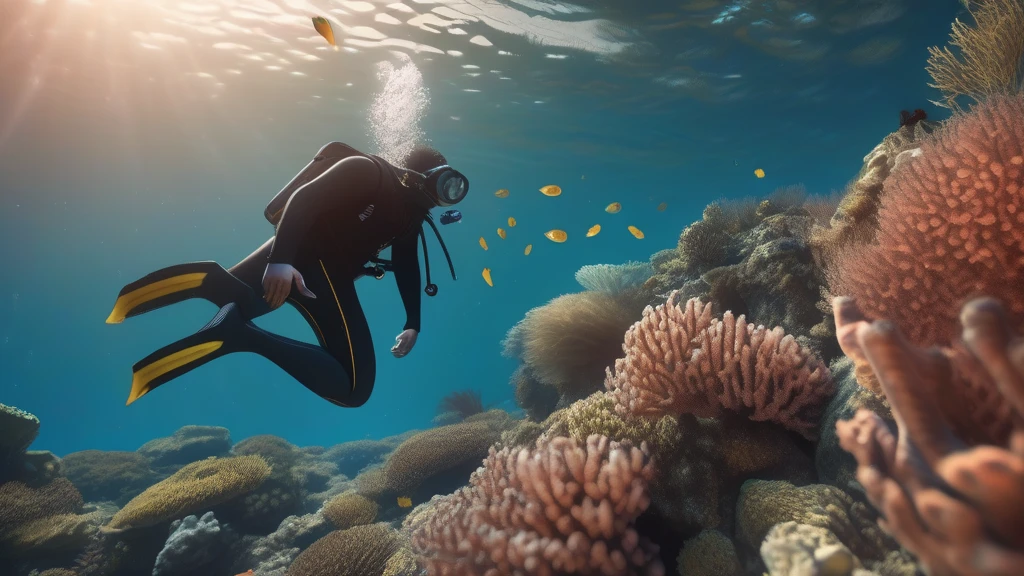
The world of diving and snorkeling masks continues to evolve as manufacturers innovate to enhance underwater vision, comfort, and safety. Whether you're a beginner snorkeler, a freediving enthusiast, a spearfisher, or a professional underwater photographer, the right mask is essential for an enjoyable and safe experience beneath the waves. In 2025, several exciting trends and technological advancements are shaping the market for diving and snorkeling masks, reflecting a growing emphasis on performance, sustainability, and user-specific design.
In this article, we'll explore the latest trends, innovations, and styles that are making waves this year, helping you navigate the options and choose the perfect mask for your underwater adventures.
1. Eco-Friendly and Hypoallergenic Materials Take Center Stage
Sustainability has become a significant priority in outdoor recreation gear, and diving masks are no exception. This year, there is a marked increase in masks utilizing eco-friendly silicone skirts and straps, crafted from materials that reduce environmental impact without compromising quality. These silicone components are also hypoallergenic, catering to divers and snorkelers with sensitive skin or allergies.
For example, masks featuring silicone skirts made from sustainably sourced or recycled materials offer the same secure, leak-free seal and comfortable fit as traditional silicone but with a reduced carbon footprint. This trend aligns with the growing consumer demand for products that support ocean conservation and responsible manufacturing practices.
2. Advanced Lens Technologies for Enhanced Underwater Vision
Underwater visibility is crucial, and 2025 brings new lens innovations focused on clarity, durability, and glare reduction. Most masks continue to use tempered glass lenses for safety and scratch resistance, but enhanced coatings are becoming more sophisticated:
- Anti-fog coatings are now more durable and longer-lasting, reducing the need for frequent reapplications and improving visibility during extended dives.
- Hydrophobic coatings repel water droplets, allowing masks to clear quickly as you surface or move underwater.
- Polarized and mirrored lenses are increasingly popular, especially for snorkelers who spend time near the water’s surface where sunlight glare is intense.
- Some masks incorporate UV-protective coatings to shield eyes from harmful rays during surface snorkeling or diving in shallow waters.
These lens treatments not only improve the underwater experience by providing clearer, glare-free views but also enhance safety by ensuring that users can spot hazards or marine life more effectively.
3. Customizable Fit and Comfort Features
Comfort underwater means fewer distractions and better focus on the environment. In 2025, masks emphasize customizable fit with adjustable or quick-release buckles and straps, enabling easy on-the-fly adjustments even while wearing gloves.
Hypoallergenic silicone skirts continue to be the preferred choice for creating a soft, flexible seal that conforms to various face shapes, minimizing leaks. Some trending designs include dual-density silicone skirts that combine a soft inner layer for comfort with a firmer outer layer for durability and enhanced sealing.
Additionally, several masks now feature ergonomic strap designs that distribute pressure evenly around the head to reduce discomfort during long dives or snorkels.
4. Low-Volume and Streamlined Designs for Performance
For freedivers and spearfishers, mask volume and hydrodynamics are critical. This year sees a rise in low to medium volume masks designed to minimize internal air space, making equalization easier and reducing buoyancy that can interfere with streamlined movement underwater.
Frameless or flexible framed masks are trending because they offer a closer facial fit and reduce overall bulk. These designs also tend to be lighter and more compact, which benefits freedivers who prioritize efficiency and speed.
Some models incorporate narrow skirts and smaller lens profiles, tailored to reduce drag and improve the field of view without sacrificing peripheral vision. These masks are typically made with tempered glass lenses that provide a distortion-free view essential for spotting prey or navigating underwater terrain.
5. Wide and Panoramic Field of View for Underwater Photography and Exploration
Underwater photographers and recreational divers who enjoy exploring vibrant reefs or shipwrecks are gravitating toward masks with wide or panoramic lenses. These masks often have single-lens designs or large dual-lens configurations that maximize visibility and minimize distortion.
In 2025, innovations include frameless masks with wide-angle lenses that extend peripheral vision and improve situational awareness. Many also feature polarized or anti-reflective coatings to reduce glare from sunlight filtering through the water, enhancing image clarity for photographers and making underwater landscapes more vivid for snorkelers.
6. Enhanced Portability and Storage Solutions
As outdoor recreation gear becomes more travel-friendly, portability is a growing trend. Several new mask models emphasize foldable designs or include compact storage cases for easy packing.
Foldable masks use flexible frames and silicone skirts that collapse without damage, making them ideal for divers and snorkelers who frequently travel or hike to remote dive sites. Meanwhile, integrated cases with protective padding ensure lenses remain scratch-free and silicone skirts maintain their shape between uses.
7. Safety Certifications and What They Mean
Safety remains a top priority, and more masks featuring ISO, CE, and TÜV certifications are entering the market. These certifications indicate compliance with international safety and quality standards, reassuring users of product reliability.
- ISO certification confirms masks meet performance requirements such as lens strength, leak resistance, and strap durability.
- CE marking indicates conformity with European health, safety, and environmental protection standards.
- TÜV certification involves rigorous testing by independent organizations, ensuring masks perform under real-world diving conditions.
When selecting a mask, looking for these certifications can provide peace of mind, particularly for professional divers or those engaging in challenging underwater environments.
8. Full-Face Snorkel Masks vs. Traditional Masks: A 2025 Perspective
The debate between full-face snorkel masks and traditional diving masks continues in 2025. Full-face masks integrate a snorkel and mask into a single unit, offering:
- A wide panoramic view with no separate snorkel to manage
- Easier breathing through both nose and mouth
- Integrated anti-fog designs and dry-top snorkel valves to prevent water entry
However, they often have higher internal volume, which can make clearing water difficult and increase buoyancy. They are generally less suitable for freediving or scuba diving, where low volume and precise equalization are necessary.
Traditional masks, with their tempered glass lenses, adjustable silicone skirts, and separate snorkels or regulators, remain preferred for diving and spearfishing, offering superior fit customization and performance underwater.
In 2025, many users choose based on activity type: full-face masks for casual snorkeling and traditional masks for more technical or professional underwater pursuits.
9. Tips for Achieving the Perfect Mask Fit and Leak Prevention
No matter how advanced a mask is, fit and seal quality are paramount. Here are practical tips trending this year to help achieve the best fit:
- Perform the “suction test”: Place the skirt against your face without straps and inhale gently through your nose; the mask should stay in place without support.
- Adjust the strap tension moderately: Straps should be snug but not overly tight, as excessive pressure can cause discomfort and leaks.
- Consider face shape: Masks with dual-density silicone skirts adapt better to irregular facial contours.
- Replace worn straps and silicone skirts regularly to maintain a secure seal.
- Use anti-fog treatments or masks with pre-applied coatings to maintain lens clarity and reduce the need to adjust underwater.
10. Maintaining Your Diving Mask for Durability and Clarity
Proper care extends the life and performance of your mask:
- Rinse thoroughly with fresh water after each use to remove salt, sand, and chlorine.
- Store in a protective case away from direct sunlight and extreme temperatures to prevent silicone degradation and lens damage.
- Avoid touching the inner lens surface with fingers to preserve anti-fog coatings.
- Periodically apply recommended anti-fog solutions or use natural alternatives like diluted baby shampoo.
- Inspect straps and buckles for signs of wear and replace parts as needed.
Conclusion
The diving and snorkeling mask market in 2025 is marked by thoughtful innovation focused on comfort, performance, sustainability, and safety. From eco-friendly silicone components and advanced lens coatings to specialized low-volume designs and wide panoramic views, there's a mask to suit every underwater activity and user profile.
Understanding these trends and technical features empowers you to select a mask that enhances your underwater experience, whether you’re exploring coral reefs, freediving deep, or capturing stunning underwater photographs. Keep in mind the importance of fit, lens technology, and safety certifications to ensure both enjoyment and protection beneath the waves.
Dive into 2025 with confidence, equipped with the latest knowledge to choose your ideal diving or snorkeling mask.