
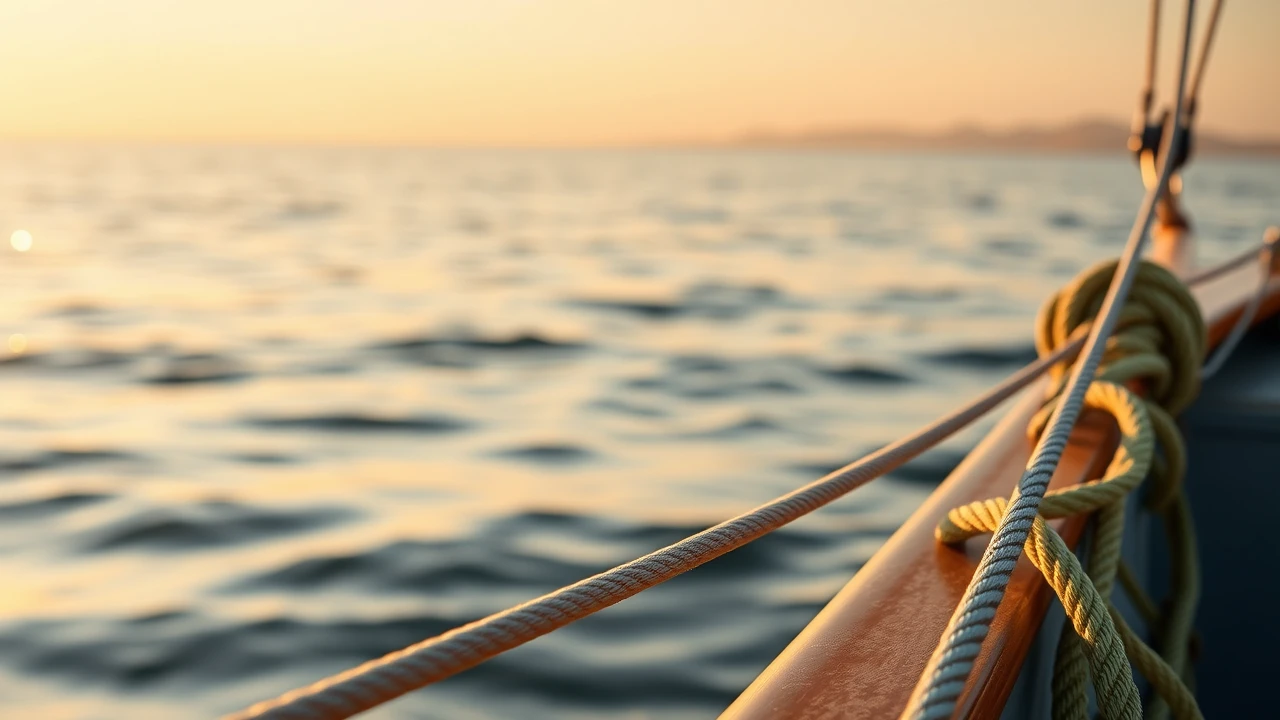
In 2025, the world of ropes and hardware cable continues to evolve, driven by advances in materials science, ergonomic design, and a growing emphasis on sustainability. Whether you’re a water sports enthusiast, a boater, or a professional rescue operator, staying informed about the latest trends can help you select ropes that combine durability, safety, and environmental responsibility. This year’s innovations reflect an exciting blend of high-performance features and eco-conscious manufacturing, setting new standards across wakeboarding, docking, towing, and rescue applications.
In this article, we explore the hottest trends shaping the ropes and hardware cable category in 2025, spotlighting key materials, design innovations, and safety features that are defining the market.
The Rise of Eco-Friendly and Sustainable Ropes
Sustainability has become a central concern for manufacturers and users alike. In 2025, many ropes feature biodegradable coatings and recyclable components, reducing environmental impact without compromising strength or durability. For example:
- Biodegradable Coatings: Several rope producers now apply eco-friendly finishes that degrade naturally without releasing harmful chemicals. This innovation is particularly valuable for ropes frequently used in marine environments, where plastic pollution is a critical issue.
- Recyclable Materials: Polypropylene and polyester ropes designed for recycling help close the loop on plastic waste. Some manufacturers offer take-back programs to repurpose old ropes, promoting circular economy principles.
- Sustainable Sourcing: The use of bio-based polymers and responsibly sourced nylon fibers is gaining traction, appealing to consumers who prioritize green products.
For water sports enthusiasts and boaters, choosing ropes with these eco-conscious attributes ensures their activities leave a lighter footprint on fragile aquatic ecosystems.
Advanced Materials: Balancing Strength, Durability, and Buoyancy
Material selection remains fundamental to rope performance. In 2025, the category features a variety of specialized fibers tailored to specific needs:
- Braided Polyethylene: Known for exceptional abrasion resistance and buoyancy, braided polyethylene ropes are increasingly popular for anchor lines and docking ropes. Their ability to float or partially float helps prevent tangling and loss.
- Polyester and Nylon Blends: Combining the UV resistance and strength of polyester with the elasticity of nylon, these blends provide ropes that withstand harsh sun exposure and dynamic loads, ideal for wakeboarding and water skiing.
- Polypropylene: Lightweight and buoyant, polypropylene ropes remain a staple for tow ropes and inflatable tube towing. Their low water absorption ensures consistent performance.
Specifications such as tensile strength up to 2,500 lbs and thickness ranging from 6mm to 12mm allow users to select ropes tailored to the intensity of activities, from recreational towing to professional rescue operations.
Ergonomic Design Innovations: Comfort Meets Safety
User comfort and safety are paramount in rope design. New ergonomic features in 2025 include:
- EVA Foam and Rubberized Handles: Handles crafted from EVA foam or rubber materials provide superior grip even when wet, reducing hand fatigue during extended use. This is essential for water skiers and towable riders who require secure control.
- Anti-Slip Textures: Rope surfaces and handles now often feature anti-slip coatings or patterns to enhance grip security, which is critical in rescue scenarios where every second counts.
- Reinforced Loops and Quick-Release Mechanisms: Safety enhancements like reinforced eye loops prevent wear at stress points, while quick-release connectors enable rapid detachment in emergencies, a feature increasingly standard in rescue ropes.
These ergonomic improvements not only enhance performance but also contribute to injury prevention and ease of handling.
Floating vs. Non-Floating Ropes: Choosing Based on Application
One of the perennial choices in ropes and hardware cable is between floating and non-floating designs. Understanding the differences helps users optimize safety and functionality:
- Floating Ropes: Constructed from materials like polypropylene or braided polyethylene, these ropes remain on the water’s surface, making them highly visible and easy to retrieve. Ideal for tow ropes in water sports and docking lines, floating ropes reduce the risk of entanglement and loss.
- Non-Floating Ropes: Typically made from polyester or nylon, these ropes sink below the surface. They are often preferred for anchor lines where submersion offers better holding power and reduced visibility to avoid snagging on underwater obstacles.
In 2025, hybrid ropes that partially float or have buoyant coatings are gaining attention, offering the best of both worlds by improving visibility while maintaining strength underwater.
Certification and Safety Standards: Meeting the Highest Demands
As safety regulations tighten, many ropes now come certified to stringent standards such as TÜV, ISO, CE, and marine safety certifications. These certifications guarantee:
- Consistent Tensile Strength: Verified load-bearing capacities ensure ropes perform reliably under expected stresses.
- UV and Waterproofing Compliance: Certified treatments ensure longevity even under prolonged exposure to sun and water.
- Rescue-Ready Reliability: For emergency services, certifications confirm that ropes meet the rigorous demands of high-visibility, high-strength rescue operations.
Consumers selecting ropes for professional use or critical safety applications benefit from these certifications as assurance of quality and dependability.
Portability and Storage: Compact Solutions for Active Users
With increasing demand for convenience, storage solutions and portability have become focal points:
- Foldable and Lightweight Designs: Modern tow ropes and docking lines emphasize compactness, enabling easy packing for travel or storage on boats.
- Included Storage Bags or Spools: Many products now come with dedicated carrying cases or spools to prevent tangling and facilitate quick deployment.
- Integrated Handles and Hooks: Some ropes feature built-in hardware that simplifies attachment and detachment without additional tools.
These features appeal particularly to recreational users who value ease of transport alongside performance.
Activity-Specific Trends: Tailoring Ropes for Every Need
Wakeboard and Water Ski Ropes
Wakeboard and water ski ropes in 2025 emphasize shock absorption, strength, and grip comfort. Thinner ropes around 6mm to 8mm with tensile strengths between 1,200 to 2,000 lbs are common, often featuring braided polyester for UV resistance and low stretch to enhance control.
Tow Ropes for Inflatable Tubes
Tow ropes designed for inflatable tubes prioritize buoyancy and visibility. Brightly colored polypropylene ropes with floating capabilities and EVA foam handles dominate this sub-category. Lengths typically range from 50 to 75 feet to accommodate various watercraft.
Anchor and Docking Lines
For anchoring and docking, thicker ropes (10mm to 12mm) with tensile strengths up to 2,500 lbs are standard. Braided polyethylene is favored for its abrasion resistance and floating properties, reducing wear on docks and boats.
Rescue Ropes
Rescue ropes feature high-visibility colors, quick-release mechanisms, and reinforced loops. Materials like nylon blends provide elasticity and strength necessary to absorb sudden loads during emergency pulls. Lengths vary but often exceed 75 feet to cover diverse rescue scenarios.
Maintenance Tips to Extend Rope Life
Proper care ensures safety and longevity:
- Rinse After Use: Saltwater and dirt can degrade fibers; rinsing with fresh water prevents buildup.
- Avoid Prolonged UV Exposure: Store ropes in shaded, cool areas to minimize UV damage despite inherent UV resistance.
- Inspect Regularly: Check for fraying, cuts, or discoloration that may indicate weakening.
- Dry Thoroughly Before Storage: Prevent mold and mildew by drying ropes completely.
Following these practices helps maintain compliance with safety standards and extends service life.
Conclusion
The ropes and hardware cable category in 2025 is marked by a fusion of advanced materials, ergonomic design, and environmental responsibility. Whether you’re selecting a buoyant tow rope for wakeboarding, a durable anchor line for boating, or a certified rescue rope for emergency response, understanding the latest trends empowers you to make informed choices that prioritize safety, performance, and sustainability.
By focusing on features like biodegradable coatings, ergonomic handles, certified strength, and activity-specific designs, users can confidently navigate the evolving landscape of ropes and hardware cable — ensuring their equipment is as reliable and responsible as possible.