
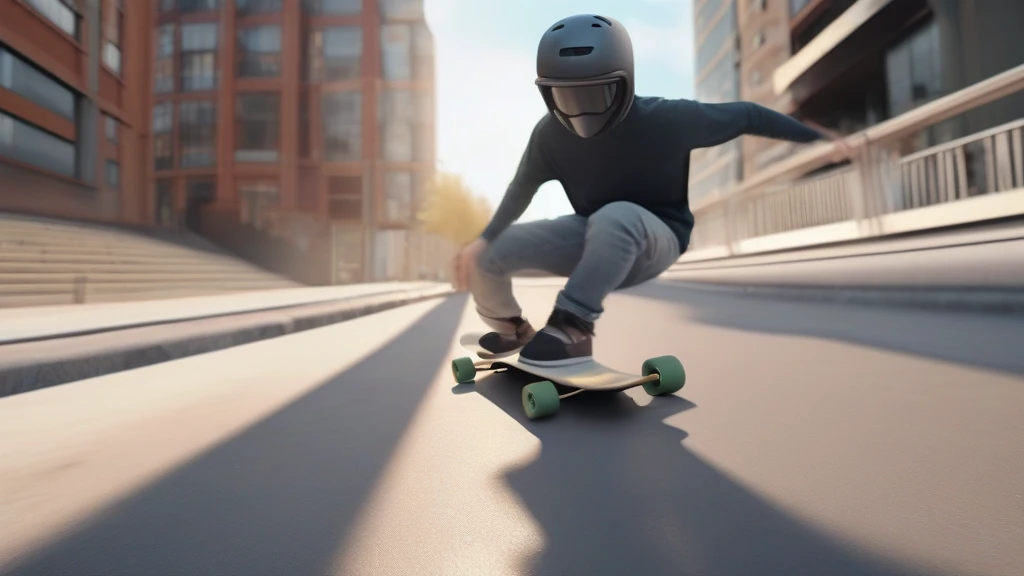
Skate helmets have come a long way from simple protective gear to highly engineered, multi-functional accessories that blend safety, style, and sustainability. Whether you’re cruising on a skateboard, tearing up a BMX track, or scootering through the city, the right helmet is essential for protecting your head while enhancing comfort and performance. As we step into 2025, the skate helmet category continues to evolve with cutting-edge innovations and fresh design trends that cater to a wide range of outdoor recreation enthusiasts.
In this article, we explore the latest trends, technologies, and styles shaping skate helmets this year. From advanced impact mitigation systems to eco-friendly materials and versatile fits, learn what to look for when choosing a helmet that meets your needs and elevates your outdoor experience.
Advanced Safety Technologies: MIPS and Beyond
One of the most significant trends dominating skate helmets in 2025 is the integration of advanced impact protection technologies, with MIPS (Multi-directional Impact Protection System) leading the charge. MIPS technology adds a low-friction layer inside the helmet that allows the head to move slightly relative to the helmet upon angled impacts. This reduces rotational forces that can cause brain injuries, providing enhanced protection beyond traditional EPS foam liners.
Helmets equipped with MIPS are increasingly common across all user levels—from beginners to seasoned riders—and are often certified to meet rigorous standards such as CPSC, ASTM F1492, and CE EN 1078. Other emerging impact mitigation technologies are also making their way into premium models, combining carbon fiber reinforcements with optimized shell structures for superior energy dispersion.
Why It Matters
Choosing a helmet with MIPS or similar systems is especially important if you engage in high-risk activities like BMX riding or aggressive skateboarding tricks. These technologies don’t add significant weight (usually keeping helmets within the 200-300g range) but can dramatically improve your safety margin.
Materials and Construction: Lightweight Yet Durable
2025 sees continued innovation in helmet materials balancing durability, weight, and comfort. Polycarbonate shells remain popular for their toughness and scratch resistance, while ABS plastic offers a resilient alternative with slightly different impact absorption qualities. High-end helmets increasingly feature carbon fiber reinforcements that provide exceptional strength without adding bulk.
Inside, EPS (expanded polystyrene) foam liners remain the industry standard for shock absorption, often combined with multi-density layers to optimize protection across different impact zones. Lightweight construction is prioritized to reduce neck fatigue during prolonged wear, with many helmets weighing between 200 and 300 grams depending on size and features.
Ventilation and Comfort: Staying Cool Under Pressure
Ventilation design continues to be a critical focus in 2025 skate helmets, especially with summer sports in mind. Most helmets now offer 10 to 15 strategically placed vents that facilitate optimal airflow, helping riders stay cool during intense activity. Some models have introduced adjustable venting systems, allowing users to open or close airflow channels depending on weather conditions.
Comfort features have also improved with moisture-wicking, antibacterial liners that manage sweat and odor. Customizable fitting systems, such as rotational dial adjusters and multi-size fit pads, ensure helmets conform snugly to different head shapes, enhancing both safety and wearability.
Multi-Sport Versatility and Certifications
While skate helmets originated for skateboarding, the category in 2025 serves a broad spectrum of summer outdoor sports, including cycling, scootering, rollerblading, BMX, and even kayaking. As a result, helmets are designed to meet multiple safety certifications such as:
- CPSC (Consumer Product Safety Commission) for bicycle helmets
- ASTM F1492 for skateboarding impact
- CE EN 1078 for European multi-sport standards
- ISO and TÜV certifications validating rigorous testing and quality control
This multi-certification approach means one helmet can reliably protect across various activities, providing excellent value and convenience for active users who participate in multiple sports.
Sustainability: Eco-Friendly Helmets Take Center Stage
Sustainability is no longer just a buzzword but a growing priority in skate helmet manufacturing. In 2025, many brands emphasize environmentally conscious practices such as:
- Using recycled or bio-based plastics in helmet shells
- Implementing low-carbon-footprint manufacturing processes
- Applying biodegradable coatings and finishes
- Designing helmets with recyclable components for end-of-life disposal
Consumers increasingly seek gear that aligns with their environmental values without compromising safety or style. Watching for certifications related to sustainability or company transparency reports can help you identify eco-friendly helmets.
Fit and Adjustment: Tailoring Protection to Your Head
Proper fit remains the cornerstone of effective helmet protection. Today’s skate helmets come with versatile adjustment systems including:
- Rotational dial systems to fine-tune circumference fit
- Adjustable chin straps with quick-release buckles for ease and safety
- Multi-size fit pads that can be swapped or layered to accommodate growth or varying head shapes, especially important for youth helmets
Ensuring your helmet fits snugly without pressure points is essential. A poorly fitting helmet can compromise safety or comfort. When trying on helmets, make sure it sits level on your head, covers the forehead, and doesn’t shift when you shake your head.
Style and Personal Expression: Beyond Basic Protection
In 2025, skate helmets are as much a fashion statement as protective gear. Popular styles range from classic hard shell designs to sleek in-mold constructions that integrate the outer shell with the EPS liner for lower profile looks.
Color options have expanded, including vibrant patterns, matte finishes, and reflective details that enhance visibility in low-light conditions. Some helmets feature customizable decals or interchangeable covers, allowing riders to express their personality while maintaining safety standards.
Maintenance, Lifespan, and Replacement Tips
To maximize your helmet’s effectiveness:
- Regularly inspect for cracks, dents, or damaged straps
- Clean liners and shells with mild soap and water; avoid harsh chemicals
- Replace helmets after significant impacts, even if no visible damage is present
- Follow manufacturer recommendations on helmet lifespan, typically 3-5 years
Proper care ensures your helmet retains its protective properties and comfort over time.
Conclusion: What to Look for in 2025 Skate Helmets
When selecting a skate helmet this year, consider these key trends and features:
- Advanced impact technologies like MIPS for enhanced brain protection
- Durable, lightweight materials such as polycarbonate shells and EPS foam liners
- Effective ventilation systems with multiple vents and moisture-wicking liners
- Multi-sport certifications ensuring versatility across activities
- Eco-friendly manufacturing and recyclable components
- Adjustable, ergonomic fits tailored to your head shape and size
- Style options that combine safety with personal expression
By prioritizing these aspects, you’ll find a skate helmet that not only protects you but also enhances your riding experience throughout 2025 and beyond.
Stay safe, comfortable, and stylish on every ride with the latest in skate helmet innovation!