
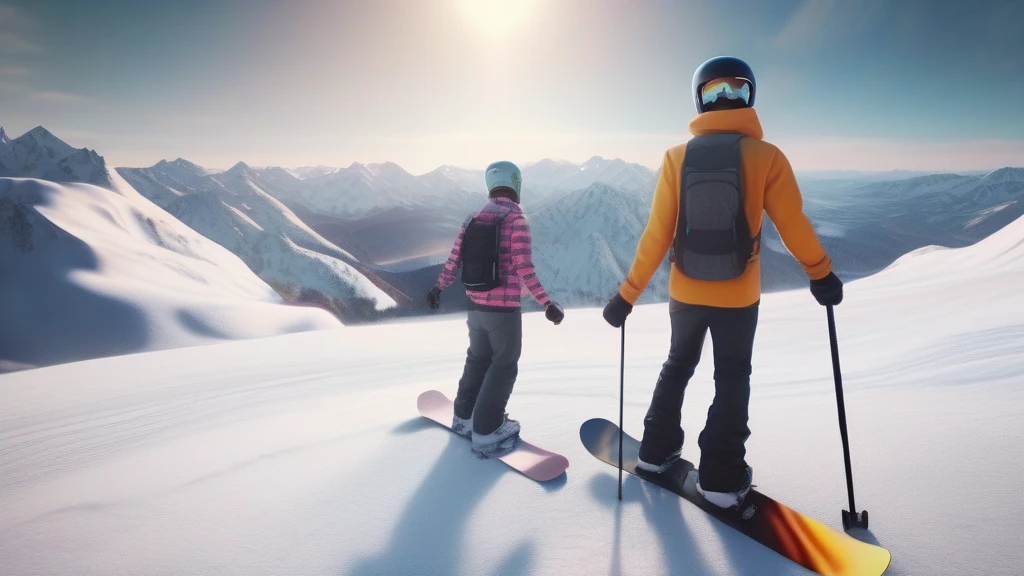
As winter sports enthusiasts gear up for the season ahead, choosing the right ski or snowboard helmet has never been more critical. Advances in helmet technology, safety standards, and sustainable manufacturing are shaping the helmets hitting the slopes in 2025. Whether you’re an alpine skier, backcountry adventurer, or freestyle snowboarder, understanding the latest trends helps you select a helmet that balances protection, comfort, and style for your unique needs.
In this article, we explore the top trends, innovations, and features defining ski and snowboard helmets this year. From cutting-edge impact mitigation technologies to eco-conscious designs, here’s what’s hot in helmets for winter sports in 2025.
The Latest Safety Innovations: Beyond Basic Protection
Enhanced Impact Resistance with MIPS and Multi-Impact Foam
Safety remains paramount in helmet design, and 2025 sees continued adoption of advanced impact mitigation systems. The Multi-directional Impact Protection System (MIPS) technology is now a standard feature in many helmets. MIPS integrates a low-friction layer inside the helmet that allows the outer shell to rotate slightly relative to the head during angled impacts. This movement reduces rotational forces on the brain, which can mitigate concussions.
Additionally, multi-impact EPS foam liners are gaining traction. Unlike traditional single-impact foam, these liners absorb and dissipate energy from multiple impacts without compromising structural integrity. This makes helmets safer for aggressive riders and those venturing into backcountry terrain where falls may be frequent.
Adherence to Rigorous Safety Certifications
Consumers are increasingly attentive to helmet certifications. Helmets meeting or exceeding CE EN 1077 (ski helmets), ASTM F2040 (North American standard), and ISO standards are now widely available, ensuring tested protection against both linear and rotational forces. Many 2025 models carry dual certifications to cover diverse winter activities, providing peace of mind whether you’re ice climbing or snowmobiling.
Materials Matter: Lightweight, Durable, and Sustainable
Hybrid Shell Constructions for Optimal Protection and Portability
Helmet manufacturers are pushing material boundaries to improve durability while reducing weight. Popular shell materials include polycarbonate for its impact resistance, ABS for toughness, and carbon fiber composites prized for exceptional strength-to-weight ratios. Hybrid constructions combine these materials strategically — for example, a carbon fiber top shell paired with polycarbonate sides — to balance protection with reduced bulk.
Lightweight helmets improve agility and reduce neck fatigue for long days on the mountain. This year, many helmets weigh under 400 grams without sacrificing safety certifications, making them ideal for endurance activities like backcountry touring or snowmobiling.
Eco-Friendly Manufacturing and Recyclable Components
Sustainability is a clear trend shaping helmet production in 2025. Brands are incorporating recycled plastics and natural fibers in liners and shell composites, lowering carbon footprints without compromising performance. Some helmets feature recyclable or biodegradable ear pads and liners treated with non-toxic, sweat-wicking fabrics.
Manufacturing processes now emphasize energy efficiency, water conservation, and reduced chemical use, appealing to environmentally conscious consumers. This trend extends to packaging and supply chains, making it easier to find helmets that align with your green values.
Fit and Comfort: Customization for All-Day Wear
Adjustable Fit Systems Tailored to Head Shapes
A helmet’s protective capability hinges on a secure, comfortable fit. This year’s helmets commonly feature refined adjustable fit systems such as Dial Fit mechanisms and interchangeable multi-size pads. These allow quick, precise customization to individual head contours, ensuring stability during dynamic movements.
For youth and smaller heads, many brands offer scaled-down models with similar adjustability, addressing the fit challenges faced by younger riders. Detachable ear pads made from plush fleece or moisture-wicking materials enhance comfort and warmth without adding bulk.
Ventilation Solutions to Regulate Temperature and Prevent Fogging
Proper airflow is crucial to prevent overheating and fogged goggles during exertion. The latest helmets employ multiple adjustable vents combined with removable vent covers for adaptable ventilation. Some models integrate anti-fog airflow channels that direct fresh air toward goggles, improving visibility in changing weather.
These ventilation systems are designed to maintain warmth in cold conditions while allowing heat escape during vigorous activity. This balance is especially important for backcountry skiers and snowboarders who experience varying exertion levels.
Goggle Integration and Accessories: Seamless Compatibility
Magnetic and Clip-On Goggle Holders
Goggles are indispensable in winter sports, and helmet compatibility improves safety and convenience. Magnetic goggle holders are a rising trend, enabling quick attachment and removal without fumbling with straps. Clip-on systems remain popular for secure, fixed placement.
Many helmets now feature designs that integrate goggles over the helmet rather than under, reducing pressure points and improving peripheral vision. This ergonomic approach is favored by freestyle snowboarders and alpine racers alike.
Communication and Audio Device Compatibility
With growing demand for on-mountain connectivity, helmets increasingly accommodate communication devices such as Bluetooth headsets and walkie-talkies. Internal speaker pockets and cable routing channels allow users to stay connected without compromising fit or safety.
This feature appeals to groups skiing or snowmobiling together, as well as backcountry explorers who benefit from hands-free communication.
Style and Design: Personal Expression Meets Function
Diverse Colorways and Matte or Glossy Finishes
While safety and comfort are priorities, helmet aesthetics remain important. The 2025 helmet lineup offers a wide range of colors, from bold neons favored by freestyle riders to understated matte blacks and whites preferred by alpine skiers. Customizable shells and decals allow riders to express personality while maintaining compliance with safety standards.
Streamlined, Ergonomic Shapes for Aerodynamics
New helmet silhouettes emphasize aerodynamic efficiency, reducing drag during high-speed descents. Sleek profiles with integrated spoilers or ridges not only enhance performance but also improve ventilation channeling.
Choosing the Right Helmet for Your Winter Sport and Skill Level
When selecting a helmet, consider the specific demands of your winter activity:
-
Alpine Skiing: Prioritize lightweight helmets with MIPS and multiple ventilation settings to handle varying speeds and exertion levels. Compatibility with over-the-helmet goggles is beneficial.
-
Snowboarding: Look for helmets with durable shells and multi-impact liners to withstand falls and tricks. Magnetic goggle holders and detachable ear pads enhance convenience and comfort.
-
Backcountry Touring: Opt for helmets with hybrid composite shells for protection and minimal weight. Sustainable materials and excellent ventilation are key for long-day comfort.
-
Ice Climbing and Snowmobiling: Choose helmets certified for impact resistance under ASTM and ISO standards, with added ear protection and communication device compatibility.
-
Youth Riders: Ensure the helmet has adjustable fit systems tailored to smaller heads, lightweight construction, and safety certifications appropriate for their activity.
Maintenance Tips for Helmet Longevity
To maximize your helmet’s lifespan and safety:
- Regularly inspect the shell and liner for cracks or compression damage after impacts.
- Clean the outer shell with mild soap and water; avoid harsh chemicals.
- Remove and wash liners and ear pads according to manufacturer instructions to maintain hygiene.
- Store the helmet in a soft bag away from direct sunlight and extreme temperatures.
- Replace your helmet every 3-5 years or immediately after a significant impact.
Conclusion
The ski and snowboard helmets of 2025 strike an impressive balance between cutting-edge safety technologies, comfort innovations, and environmental responsibility. Features like MIPS, multi-impact foam, hybrid composite shells, and adjustable ventilation systems elevate protection and wearability. Meanwhile, sustainability efforts and accessory compatibility cater to evolving consumer values and practical needs.
By understanding these trends and matching helmet features to your sport and skill level, you can confidently select a helmet that enhances your winter adventures with superior safety, comfort, and style. As the season approaches, staying informed empowers you to protect yourself effectively while enjoying every downhill run, backcountry trek, or snowmobile ride.