
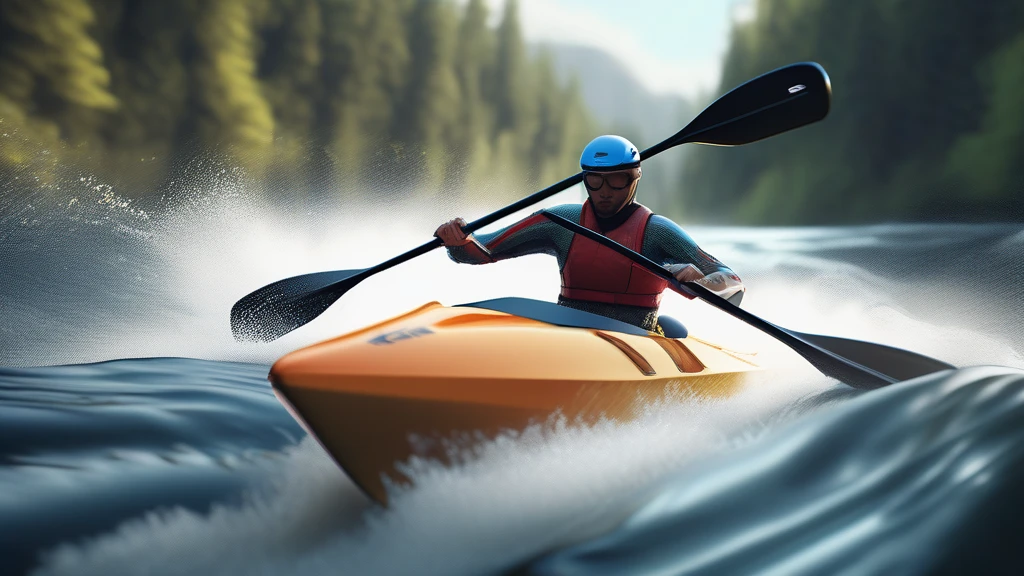
Slalom kayaking continues to captivate paddlers who seek a blend of speed, precision, and adrenaline on dynamic river courses. As we move through 2025, the world of slalom kayaks is evolving with innovations that push the boundaries of performance, durability, and environmental responsibility. Whether you're an aspiring competitive racer, a fitness paddler refining your technique, or an advanced kayaker eager to navigate challenging downriver courses, this year’s trends highlight exciting developments tailored to your needs.
In this article, we’ll explore the latest innovations in slalom kayak design, materials, and technology. We’ll also cover key features to consider when selecting your kayak, training insights for maximizing performance, and practical advice on maintenance and safety. Let’s dive into what’s hot right now in the high-performance slalom kayak arena.
Advanced Materials Shaping Performance and Durability
One of the most significant trends in 2025 is the continued refinement of kayak construction materials. Manufacturers are pushing the envelope to create boats that are exceptionally lightweight yet durable, a critical factor in slalom racing where every ounce counts.
Carbon Fiber and Kevlar Hybrids
Carbon fiber remains the gold standard for elite slalom kayaks due to its outstanding strength-to-weight ratio. This year, many models feature hybrid laminates combining carbon fiber with Kevlar. This blend enhances impact resistance while maintaining featherlight weight — often under 35 pounds — enabling rapid acceleration and agile maneuvering around gates.
For example, kayaks utilizing carbon-Kevlar composites provide a hull that resists cracking or puncturing from rocks and debris common in whitewater environments, without sacrificing the stiffness needed for sharp, responsive turns.
Fiberglass and Thermoformed ABS for Versatility
While top-tier racers gravitate toward carbon composites, intermediate paddlers and fitness enthusiasts benefit from kayaks built with fiberglass or thermoformed ABS. These materials offer a more affordable yet still lightweight option with good durability and UV resistance.
Thermoformed ABS kayaks are particularly appreciated for their weatherproof builds and moderate impact tolerance, making them ideal for training and recreational slalom runs. Fiberglass models strike a balance between rigidity and flexibility, providing smooth glide and control on varied water conditions.
Eco-Friendly Manufacturing
Sustainability is becoming a key consideration in kayak production. Brands are increasingly adopting recyclable materials and low-emission manufacturing processes to reduce environmental footprint. Some slalom kayaks now incorporate bio-resins and recycled fibers, combining high performance with eco-conscious design — a trend that resonates with the environmentally aware paddler community.
Streamlined Hull Designs for Speed and Stability
The hallmark of a slalom kayak is its ability to cut through water with minimal drag while maintaining excellent stability during swift maneuvers. In 2025, hull shapes have become even more refined, featuring aerodynamic profiles that optimize both speed and control.
Low-Drag, High-Agility Hulls
Modern slalom kayaks sport narrow, elongated hulls with pronounced rocker profiles. This design enhances the kayak’s ability to pivot quickly around gates and maintain momentum on river sprints. Advanced hydrodynamic modeling has led to subtle tweaks in hull curvature and chine placement, reducing water resistance without compromising stability.
Stability with Low Tipping Risk
Despite their sleek appearance, today’s slalom kayaks emphasize a low center of gravity and wide waterline beams to reduce tipping risk. This stability is essential when navigating turbulent rapids at high speed. Many models also feature reinforced hulls to withstand impacts while maintaining form, ensuring paddlers can push their limits confidently.
Ergonomic and Modular Features for Enhanced Comfort and Portability
Comfort and adjustability have gained prominence as paddlers demand kayaks that accommodate varied body types and extended paddling sessions. Meanwhile, portability remains a priority for athletes traveling to competitions and training sites.
Adjustable Seating and Footrests
Ergonomic seats with anti-slip padding and adjustable backrests are standard in 2025 slalom kayaks, helping paddlers maintain optimal posture and reduce fatigue. Adjustable footrests allow for customized leg positioning, improving stroke power and control during technical runs.
Spray Skirts and Weather Protection
Integrated spray skirts designed from durable, waterproof materials keep water out during rapid descents, enhancing comfort and safety. Many models now feature quick-release mechanisms on skirts and cockpit covers, allowing for swift exits in emergencies.
Modular and Foldable Designs
Portability innovations include modular kayak components and foldable frames that can be disassembled for easier transport and storage. Lightweight carry handles and balanced weight distribution further simplify handling off the water, a boon for paddlers who travel frequently.
Safety Innovations and Certifications
Safety remains paramount in slalom kayaking, given the high speeds and challenging conditions involved. In 2025, manufacturers emphasize compliant safety certifications and built-in features to protect paddlers.
Emergency Quick-Release Systems
Many slalom kayaks are now equipped with emergency quick-release seat and spray skirt mechanisms, allowing paddlers to exit rapidly if capsized or trapped. Reinforced hulls enhance impact resilience, reducing the risk of damage that could compromise flotation.
Industry Certifications
Look for kayaks bearing ISO, CE, TÜV, or recognized marine safety certifications. These indicate rigorous testing for stability, structural integrity, and user safety, providing peace of mind during intense racing or adventurous touring.
Choosing the Right Slalom Kayak: Skill Level and Use Case Considerations
Selecting a slalom kayak that matches your experience and intended use is key to enjoyment and progression.
For Intermediate Paddlers
If you’re improving your fitness and technique, consider fiberglass or thermoformed ABS kayaks. These models offer durability and manageable weight, making them suitable for training and recreational racing. Look for adjustable seating and moderate hull rocker to balance speed and control.
For Competitive Racers
Elite racers benefit most from carbon fiber/Kevlar hybrid kayaks with ultra-lightweight construction and highly streamlined hulls. Prioritize models with advanced ergonomic features, quick-release safety systems, and certified build quality. Solo kayaks dominate this category, optimized for maximum agility and speed.
Tandem and Adventure Touring Options
While less common, tandem slalom kayaks are emerging for fitness paddling and adventurous downriver runs. These boats combine stability and lightweight materials but may sacrifice some speed compared to solo counterparts. Integrated storage hatches and modular components enhance their versatility for longer trips.
Training Tips for Slalom Kayaking Success
Beyond equipment, mastering slalom kayaking demands focused training on fitness, technique, and safety.
- Strength and Endurance: Incorporate paddling drills and cross-training exercises targeting core, shoulder, and leg muscles.
- Technique Refinement: Practice gate navigation, quick turns, and controlled acceleration on varied water conditions.
- Safety Drills: Regularly rehearse emergency exits and capsizing recovery to build confidence.
- Equipment Familiarity: Spend time adjusting seats, footrests, and spray skirts to fit your body perfectly for maximum efficiency.
Maintenance Best Practices for Longevity
To keep your slalom kayak performing at its peak:
- Rinse thoroughly with fresh water after each use to remove debris and prevent salt buildup.
- Inspect hull and fittings regularly for cracks or wear, especially after impacts.
- Store kayaks in shaded, dry environments to protect against UV damage.
- Lubricate moving parts like seat tracks and quick-release mechanisms.
- Use repair kits designed for your kayak’s material if minor damage occurs.
Accessory Essentials for Enhanced Experience
Consider complementing your kayak with:
- Spray skirts tailored to your cockpit size for water protection.
- Repair kits crafted for carbon fiber, fiberglass, or ABS materials.
- Paddle leashes and high-performance paddles matched to your kayak’s speed profile.
- Transport cradles or roof racks for safe and convenient carrying.
Conclusion
The 2025 slalom kayak landscape is defined by cutting-edge materials, refined hull designs, ergonomic comfort, and safety innovations. Whether you’re chasing podium finishes or pursuing fitness goals, the latest trends offer a wealth of options tailored to your skill level and paddling ambitions.
By understanding the distinctions in construction, features, and use cases, you can confidently select a slalom kayak that aligns with your performance needs and lifestyle. Embrace these trends to elevate your paddling experience on river courses this year and beyond.