
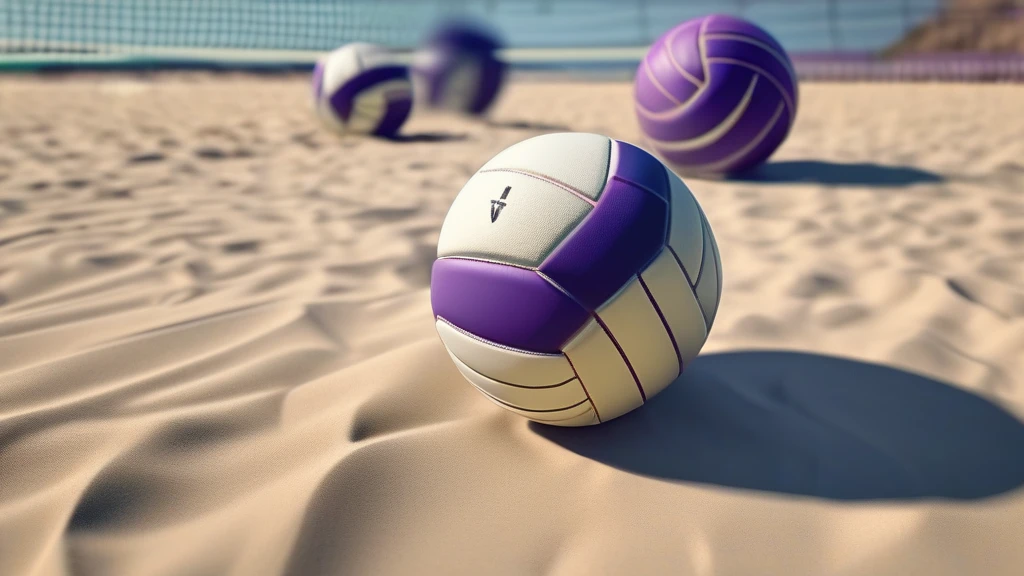
Volleyball continues to grow in popularity worldwide, with players and enthusiasts seeking the latest gear to elevate their game. In 2025, volleyballs have evolved significantly, blending cutting-edge materials, innovative designs, and eco-conscious manufacturing to meet the demands of professionals, coaches, and recreational players alike. Whether you're gearing up for indoor league matches, beach tournaments, or training sessions, understanding the newest trends can help you pick the perfect ball for your needs.
In this article, we’ll explore the hottest trends in volleyballs this year, focusing on material innovations, design improvements, certification standards, and sustainability initiatives shaping the market. We’ll also provide practical advice on choosing the right volleyball based on your playing environment, skill level, and training goals.
Material Innovations: The Backbone of Performance and Durability
Advanced Composite and Synthetic Leathers
One of the standout trends in 2025 is the widespread use of high-performance composite and synthetic leather covers. Unlike traditional leather, these materials offer superior durability and water resistance, essential for both indoor and outdoor play. Many volleyballs now feature microfiber composite surfaces that deliver a soft touch without sacrificing strength, enhancing control and comfort during intense rallies.
For example, indoor volleyballs often incorporate multi-layer microfiber composite covers with precise panel stitching to optimize ball flight and rebound consistency. Meanwhile, beach volleyballs use tougher synthetic leather blends combined with UV-resistant coatings to withstand sand abrasion and sun exposure.
Reinforced Stitching and High-Tension Panels
Durability remains a priority, especially for players logging hours of training and competitive play. This year, manufacturers are enhancing panel construction with reinforced stitching techniques and higher panel tension. These improvements prevent premature wear and deformation, ensuring the ball retains its shape and responsiveness over time.
Some models also incorporate seamless or thermally bonded panels to reduce water absorption and minimize irregularities in bounce and trajectory, a critical factor for beach volleyballs exposed to varying weather conditions.
High Air Retention Bladders for Consistent Play
Maintaining optimal air pressure is crucial for consistent ball performance. Volleyballs in 2025 commonly feature butyl or latex bladders engineered for superior air retention. Butyl bladders are celebrated for their airtight properties, keeping the ball inflated longer between sessions, which is ideal for tournament balls requiring regulation pressure throughout extended matches.
Latex bladders, while slightly more prone to pressure loss, offer a livelier bounce favored in training balls designed to mimic competitive conditions closely. Some training models now include adjustable pressure systems, allowing coaches and players to fine-tune ball responsiveness based on skill level or drill type.
Design Features Boosting Grip, Control, and Playability
Textured and Anti-Slip Surfaces
Grip technology is a game-changer in 2025 volleyballs. To improve ball handling, manufacturers are incorporating textured and anti-slip surfaces that enhance control during serves, sets, and spikes. These features are particularly valuable for players competing in humid indoor gyms or sandy outdoor courts where moisture and sweat can compromise grip.
For instance, beach volleyballs often utilize a finely textured rubberized coating that maintains tackiness even when wet, while indoor balls might feature micro-perforated surfaces that channel moisture away to keep the ball dry and manageable.
Waterproof and UV-Resistant Coatings
For outdoor play, the trend toward all-weather volleyballs continues to grow. Waterproof coatings prevent water absorption that can add unwanted weight and affect ball dynamics, especially during beach volleyball competitions. Additionally, UV-resistant finishes protect the ball’s colors and materials from sun damage, extending lifespan and preserving visibility during bright daylight matches.
Certification and Regulation: Ensuring Fair Play and Quality
Meeting International Standards
In 2025, the volleyball market emphasizes compliance with leading certification bodies such as FIVB (Fédération Internationale de Volleyball), NCAA (National Collegiate Athletic Association), TÜV, ISO, and CE. Certified volleyballs guarantee regulation size, weight, and bounce characteristics, providing confidence for tournament organizers and players.
When selecting a volleyball for competitive play, look for products explicitly labeled as FIVB or NCAA-approved, as these have undergone rigorous testing for performance and safety. Training balls may have less stringent certification but should still meet basic dimensional and weight standards to ensure effective practice.
Specialized Volleyball Types: Tailored for Every Environment
Official Tournament Balls
These balls represent the pinnacle of regulation volleyballs, crafted with premium composite leather, high-tension panel construction, and butyl bladders for consistent pressure. Tournament balls are designed to deliver precise flight trajectories, reliable bounce, and optimal grip under official match conditions.
Training Balls with Customizable Features
Training volleyballs are increasingly versatile, featuring adjustable pressure bladders and lightweight builds to accommodate varied skill levels and drill intensities. Some models offer smaller sizes or softer covers to reduce fatigue and impact during extended practice sessions, making them ideal for youth players and rehabilitation.
Beach Volleyballs Built for Sand and Sun
Beach volleyballs integrate durable synthetic leather with waterproof membranes and UV-resistant coatings. Their textured surfaces enhance grip in sandy, often moist environments, while reinforced panel stitching combats the abrasive nature of outdoor play. These balls typically weigh slightly more than indoor versions to counteract wind interference.
Multi-Surface Volleyballs for Versatile Play
For players who transition between grass, hard courts, and indoor environments, multi-surface volleyballs offer balanced construction that performs well across conditions. They blend synthetic leather durability with moderate water resistance and a slightly textured surface to adapt to variable grip demands.
Sustainability in Volleyball Manufacturing: Playing Green
Eco-Friendly Materials and Processes
A rising trend in 2025 is the adoption of recyclable and sustainable components in volleyball production. Manufacturers are incorporating recyclable synthetic leathers and non-toxic coatings to reduce environmental impact. Some brands use water-based adhesives and solvent-free manufacturing techniques to minimize chemical waste.
Commitment to Durability and Longevity
Sustainability also manifests in product longevity. Volleyballs designed with reinforced stitching, durable bladders, and weather-resistant finishes reduce the frequency of replacement, lowering waste over time. Buyers looking to make eco-conscious choices should prioritize balls with certifications or labels highlighting their environmental credentials.
Practical Tips for Selecting and Maintaining Your Volleyball
Matching the Volleyball to Your Playing Environment
- Indoor Play: Choose balls with microfiber composite covers, butyl bladders, and smooth yet textured surfaces for maximum control and durability on hardwood courts.
- Beach Play: Opt for waterproof, UV-resistant balls with textured synthetic leather and reinforced stitching to withstand sand and weather.
- Training: Look for adjustable pressure and lightweight, impact-resistant balls suitable for long practice sessions.
- Multi-Surface: Select volleyballs balancing durability and grip adaptable to various court types.
Checking Certification for Competitive Use
Ensure balls intended for tournaments carry FIVB, NCAA, or equivalent certification marks to meet official standards.
Maintaining Optimal Ball Performance
- Inflation: Use a pressure gauge to maintain recommended inflation levels, typically between 4.3-4.6 psi depending on ball type.
- Storage: Keep balls in a cool, dry place away from direct sunlight to preserve materials and bladder integrity.
- Repairs: Consider repair kits for minor punctures or leaks, especially for training and recreational balls.
- Cleaning: Wipe textured surfaces with mild soap and water to remove dirt and maintain grip without damaging coatings.
Conclusion
The volleyball landscape in 2025 is defined by innovation, sustainability, and tailored performance. Whether you're a professional athlete, coach, or casual player, understanding the latest trends in volleyball materials, design features, and certifications can greatly influence your playing experience. From eco-friendly manufacturing to advanced grip technologies and multi-environment adaptability, today’s volleyballs offer something for every level and style of play.
By selecting the right volleyball based on your environment, skill level, and training needs — and maintaining it properly — you can enjoy long-lasting performance and elevate your game to new heights. The future of volleyball is bright, responsive, and greener than ever.