
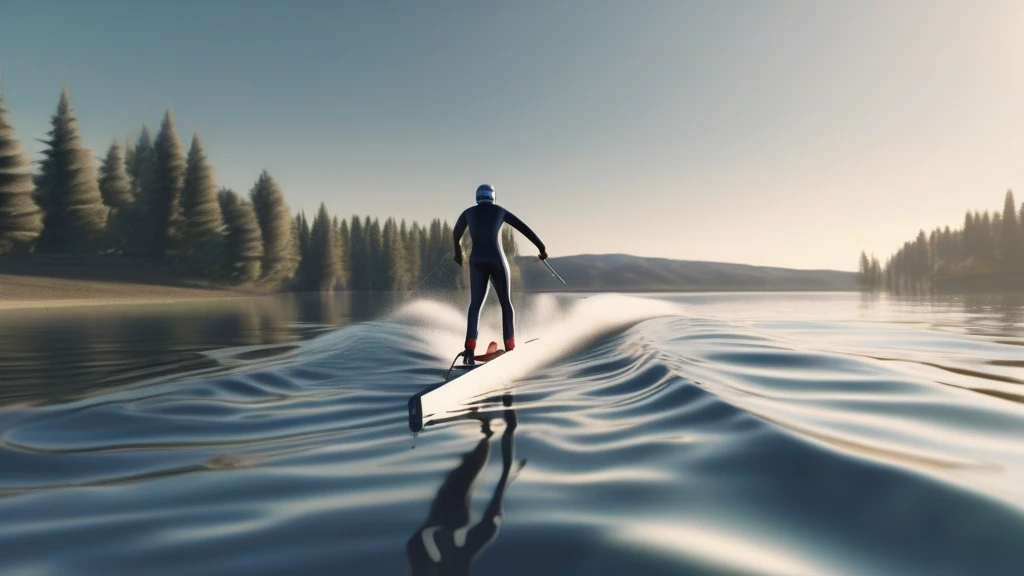
Water skiing continues to captivate enthusiasts of all skill levels, blending athleticism, adventure, and the thrill of gliding across water. As we move through 2025, the water skiing world is witnessing exciting trends and innovations that enhance performance, comfort, safety, and sustainability. Whether you are a beginner seeking stability or an elite athlete chasing precision and speed, understanding these developments can elevate your water skiing experience.
In this article, we explore the latest trends in water skiing equipment, materials, styles, and safety features, providing you with practical insights to make informed choices for your next water skiing adventure.
Evolving Water Ski Designs for Every Skill Level and Style
Water skis have diversified extensively to cater to a broad spectrum of users—from first-timers to freestyle pros and competitive racers. This year, the emphasis is on specialized designs that optimize performance and control for each unique style of skiing.
Recreational and Beginner Skis: Stability Meets Comfort
For beginners and casual riders, 2025 sees an increase in skis prioritizing ease of use and stability. These skis commonly feature wider bodies and longer lengths, which provide more surface area to balance on calm or choppy waters. Many models incorporate polyurethane cores combined with fiberglass layers to offer lightweight yet impact-resistant construction.
Bindings and boots in this category are ergonomically shaped with adjustable straps and soft, anti-slip surfaces to ensure comfort and safety during longer sessions. Quick-release systems have become standard, allowing skiers to disengage easily in case of falls or emergencies.
Freestyle Skis: Innovation Fuels Tricks and Jumps
Freestyle water skiing demands agility and responsiveness. New freestyle skis in 2025 are constructed using advanced carbon fiber and Kevlar composites, reducing weight while maximizing strength and flexibility. These materials enable skiers to perform complex tricks, spins, and aerial maneuvers with confidence.
Detachable fins and customizable bindings allow skiers to tweak their setup for different water conditions or trick styles. Additionally, many freestyle skis now feature reinforced edges and smooth contours to minimize drag and improve water flow during rapid turns and landings.
Speed and Slalom Skis: Precision and Agility at the Forefront
Competitive skiers seeking speed and sharp turning capabilities benefit from the latest innovations in slalom and speed skis. These skis are typically narrower with tapered tips, constructed from layered carbon fiber and aluminum reinforcements to balance rigidity and flexibility.
Adjustable fin systems enable fine-tuning for maximum grip on the water surface, essential during tight slalom courses. Enhanced weatherproof coatings ensure durability against sun exposure and saltwater corrosion, while lightweight designs improve acceleration and responsiveness.
Show Skis: Performance Meets Spectacle
Show skiing—team-based performances and entertainment on water—requires skis that combine stability with maneuverability. The 2025 range includes models featuring eco-friendly fiberglass and recycled composite materials, reflecting a growing commitment to environmental sustainability in the sport.
Show skis often come with modular bindings and boots that can be quickly adjusted or replaced during performances. Their construction emphasizes durability to withstand repeated use and impact during choreographed routines.
Advanced Materials and Sustainable Manufacturing
One of the standout trends this year is the integration of cutting-edge materials and environmentally responsible manufacturing processes.
Carbon Fiber, Kevlar, and Fiberglass: Strength Without Weight
Water skis made with carbon fiber and Kevlar composites provide unparalleled strength-to-weight ratios. Carbon fiber offers stiffness and minimal weight, while Kevlar adds impact resistance and durability. Fiberglass layers complement these materials by adding flexibility and smooth water interaction.
These materials not only improve performance—allowing quicker response times and longer-lasting gear—but also resist wear from UV rays, water exposure, and temperature fluctuations, extending the life of the skis.
Polyurethane Cores and Aluminum Reinforcements
The internal core of many 2025 skis utilizes polyurethane foam, prized for its buoyancy and shock absorption. This core is often sandwiched between fiberglass or carbon fiber layers and reinforced with lightweight aluminum strips to enhance structural integrity without adding excessive weight.
Eco-Friendly Manufacturing
Responding to environmental concerns, manufacturers increasingly adopt sustainable practices such as using recycled materials, reducing chemical solvents, and implementing energy-efficient production methods. Some models proudly carry certifications that verify eco-conscious manufacturing, appealing to environmentally aware consumers.
Customization and Portability: Tailoring Your Experience
Adjustability and portability remain key features that enhance usability and convenience for water skiers.
Adjustable Fins, Bindings, and Boots
Modern water skis offer a range of detachable and adjustable components to optimize stability and control. For example, interchangeable fins allow skiers to select between sharper turns or straighter tracking based on water conditions. Adjustable bindings accommodate different foot sizes and preferences for tightness, improving comfort and control.
Ergonomically designed boots with cushioned liners and anti-slip soles reduce fatigue during extended use. Quick-release mechanisms ensure safety while making on-the-fly adjustments practical.
Lightweight and Foldable Designs
Portability is essential for skiers who travel frequently or participate in competitions across various locations. The latest skis emphasize lightweight construction and foldable or modular designs that fit easily into compact carry bags.
Many packages now include repair kits and protective covers, enabling skiers to maintain their equipment on the go—an important factor in extending the lifespan of water skis while ensuring peak performance.
Safety Innovations and Certification Standards
Safety is paramount in water skiing, and 2025 brings heightened focus on protective features and compliance with international standards.
Quick-Release and Anti-Slip Features
Bindings and boots equipped with reliable quick-release systems minimize the risk of injury during falls by allowing rapid detachment from the skis. Anti-slip footbeds and textured surfaces prevent accidental slips when mounting or dismounting skis.
Ergonomic Designs and Smooth Edges
Modern ski designs prioritize ergonomics to reduce strain on joints and muscles, allowing longer, more comfortable sessions. Smooth, rounded edges reduce the risk of cuts or abrasions if contact occurs during falls or collisions.
Certifications: ISO, CE, TÜV, and Marine Safety
Many water skiing products now come with internationally recognized safety certifications such as ISO (International Organization for Standardization), CE (Conformité Européenne), TÜV (Technischer Überwachungsverein), and Marine Safety approvals. These certifications ensure that the skis meet rigorous standards for structural integrity, user safety, and environmental resistance.
Practical Tips for Choosing Your 2025 Water Ski
With such a broad selection available, choosing the right water ski requires careful consideration of your skill level, intended use, and local water conditions.
-
Assess Your Skill Level: Beginners should opt for wider, stable skis with comfortable, adjustable bindings. Advanced skiers may prefer lightweight carbon fiber models designed for specific styles like freestyle or slalom.
-
Consider Your Primary Activity: Recreational skiing calls for versatile skis with durability, while competitive athletes need specialized designs emphasizing speed, agility, or trick performance.
-
Evaluate Material Preferences: If environmental impact matters to you, seek skis manufactured with sustainable processes and recycled materials.
-
Prioritize Safety Features: Ensure your skis have quick-release bindings, anti-slip surfaces, and recognized safety certifications.
-
Think About Portability: If you travel often, lightweight and foldable skis with included carry bags and repair kits can be invaluable.
Conclusion
Water skiing in 2025 blends tradition with innovation, delivering equipment that enhances performance, safety, and sustainability. From beginner-friendly recreational skis to advanced freestyle and racing models, the latest developments focus on material technology, customization, and eco-conscious manufacturing.
By understanding these trends and product features, you can select water skis that perfectly match your goals and conditions—ensuring every glide across the water is enjoyable, safe, and exhilarating.
Whether you’re mastering your first run or pushing competitive limits, this year’s water skiing trends offer something fresh and exciting for every enthusiast.