
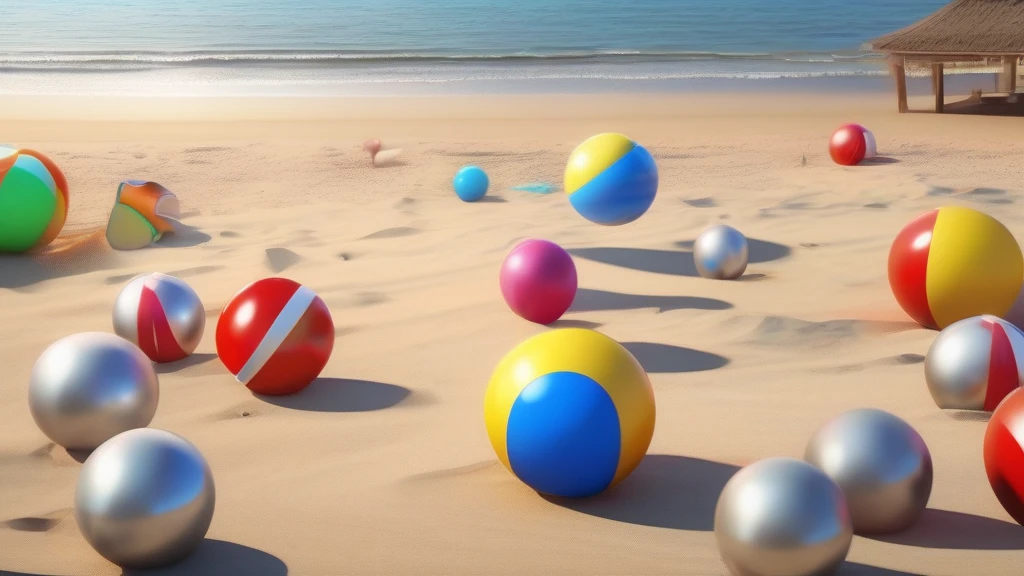
Beach balls are the quintessential symbol of summer fun, evoking images of sunny days by the ocean, poolside relaxation, and lively outdoor games. But not all beach balls are created equal. Depending on your activity, age group, and personal preferences, selecting the right beach ball can make a significant difference in enjoyment and usability. In this article, we’ll break down the various types of beach balls by their design features, materials, and sizes, then match them to specific use cases to help you find the perfect ball for your next outing.
Understanding Beach Ball Basics: Materials and Design Features
Before diving into use cases, it’s important to understand the key characteristics that differentiate beach balls in this category:
- Sizes: Beach balls range from compact mini sizes (~12 inches diameter) ideal for children and group games, to jumbo-sized variants (~48 inches) designed for adults and festive parties.
- Materials: Durable waterproof materials like PVC, nylon, neoprene, and rubber dominate the market. Many manufacturers now also incorporate eco-friendly plastics that are recyclable or sustainably sourced.
- Durability Enhancements: High-quality beach balls often include UV resistance to prevent fading and brittleness, tear- and impact-resistance for rough play, and child-safe, non-toxic coatings to ensure safety.
- Inflation Systems: Dual-valve designs allow for quick inflation and deflation, compatible with both manual and electric pumps. Some models come with repair patches and storage bags for convenience.
- Special Features: Glow-in-the-dark surfaces and LED light-up options enhance usability during nighttime play, while anti-slip or textured panels improve grip for water volleyball or relay games.
- Safety Certifications: Products frequently meet standards such as CE EN 71, ASTM F2040, TÜV, or ISO, indicating compliance with safety and quality benchmarks.
With these features in mind, let’s explore which beach ball types best fit different activities, skill levels, and user needs.
Mini Beach Balls (~12 inches): Perfect for Young Children and Group Games
Use Case: Toddlers and Preschoolers Learning to Play
Mini beach balls are an excellent choice for young children just starting to explore ball games. Their small size and lightweight construction make them easy for little hands to catch, throw, and kick without strain. Typically made from soft, non-toxic PVC or eco-friendly plastics, these balls prioritize safety with child-safe coatings and rounded edges.
Why Mini Beach Balls Work Well:
- Portable and easy to carry in a backpack or picnic bag
- Ideal for gentle tossing games and sensory play
- Often feature bright, multi-colored panels to attract children’s attention
- Safe for indoor and outdoor use, including sand and water
Use Case: Large Group Activities and Party Favors
The compact size also makes mini beach balls popular for group games such as relay races or "keep it in the air" contests at pool parties or beach outings. Their affordability and quick inflation mean you can have multiple balls in play simultaneously, encouraging social interaction and active play.
Standard-Sized Beach Balls (~16-24 inches): Versatile Fun for Families
Use Case: Family Beach Days and Casual Play
Standard-sized beach balls offer a sweet spot in terms of size and ease of handling, making them the most common choice for family outings. Their buoyant design ensures they float easily on water surfaces, perfect for poolside games and ocean play.
Key Features to Look For:
- Durable PVC or nylon construction with UV-resistant coatings to withstand sun exposure
- Textured or anti-slip surfaces to maintain grip when wet
- Dual-valve inflation systems for quick setup and deflation
- Safety certifications ensuring materials are free of harmful chemicals
Families benefit from these balls’ versatility: they can be tossed, kicked, or used in simple water volleyball games. Their vibrant, multi-colored panels are visually appealing and easy to spot in busy environments.
Use Case: Recreational Water Volleyball
For casual water volleyball or beach toss games, a standard-sized ball balances buoyancy and control. Look for models with textured surfaces and impact resistance for durability during fast-paced play. Some variants even include glow-in-the-dark features or LED lights, extending playtime into the evening.
Jumbo Beach Balls (~36-48 inches): Party Entertainment and Group Fitness
Use Case: Adult Pool and Beach Parties
When hosting a beach or pool party, jumbo beach balls create a festive atmosphere and encourage interactive games among adults and teenagers. Their large size makes them perfect for group volleying, relay races, and unique fitness challenges like balance or agility drills.
Considerations for Jumbo Balls:
- Made with heavy-duty PVC or neoprene for enhanced tear resistance
- Bright, multi-panel designs to maximize visibility in large spaces
- Quick inflation valves compatible with electric pumps to save setup time
- Often include repair kits and storage bags due to their size and material investment
Use Case: Nighttime Outdoor Events
Some jumbo beach balls come equipped with LED light-up features or glow-in-the-dark coatings, making them ideal for nighttime beach bonfires, pool parties, or dusk festivals. These features increase visibility and add an exciting visual element to evening play.
Specialty Beach Balls: Eco-Friendly, Glow-in-the-Dark, and More
Use Case: Environmentally Conscious Consumers
Eco-friendly beach balls made from recyclable plastics or sustainably sourced materials are gaining popularity among buyers who prioritize environmental responsibility. These models maintain durability and UV resistance while reducing ecological impact.
When shopping for eco-conscious options, look for:
- Certifications indicating recycled content or biodegradable properties
- Non-toxic, phthalate-free coatings and inks
- Packaging made from recycled materials
Use Case: Evening and Low-Light Play
Glow-in-the-dark and LED-illuminated beach balls enhance outdoor fun after sunset. These balls use phosphorescent materials or battery-powered LED lights embedded inside, providing a safe and captivating way to extend playtime.
Benefits include:
- Increased visibility to prevent accidents
- Unique ambiance for parties and social gatherings
- Durable waterproof casings to protect lighting components
Matching Beach Balls to Your Needs: A Quick Reference Guide
| Use Case | Recommended Beach Ball Type | Key Features to Prioritize |
|---|---|---|
| Toddlers & Preschoolers | Mini (~12 inches) | Soft PVC, child-safe, lightweight, bright colors |
| Large Group Games & Party Favors | Mini or Standard (~12-24 inches) | Multiple balls, quick inflation, durable |
| Family Beach Days & Casual Play | Standard (~16-24 inches) | UV-resistant, textured surface, buoyant |
| Recreational Water Volleyball | Standard (~18-24 inches) | Impact-resistant, anti-slip, safety certifications |
| Adult Pool & Beach Parties | Jumbo (~36-48 inches) | Heavy-duty materials, quick inflation, vibrant |
| Nighttime Outdoor Events | Jumbo or Standard with Glow/LED features | Glow-in-the-dark, LED lights, waterproof |
| Eco-Friendly Buyers | Any size with sustainable materials | Recyclable plastics, non-toxic coatings |
Practical Tips for Maximizing Your Beach Ball Experience
- Inflation: Use dual-valve beach balls for faster inflation and deflation. Manual pumps work well for small sizes, while electric pumps save time for jumbo balls.
- Maintenance: Keep beach balls out of extreme heat when not in use to prevent material degradation. Repair small punctures promptly with included patches.
- Safety: Always supervise children during water play and ensure balls meet relevant safety certifications.
- Storage: Deflate and store balls in included bags to protect from dust and damage between uses.
- Sustainability: Dispose of old or damaged balls responsibly, and consider eco-friendly options when purchasing new ones.
Conclusion
Choosing the right beach ball involves understanding your specific needs, activity types, and user profiles. Whether you’re looking for a fun, safe ball for toddlers, a versatile standard-sized model for family fun, or a jumbo party ball with glowing features, the market offers solutions tailored to every scenario. By considering size, materials, durability, and special features, you can select a beach ball that maximizes your outdoor enjoyment and fits seamlessly into your lifestyle.
Next time you plan a beach trip or pool party, use this guide to pick the perfect beach ball — and get ready to make lasting memories under the sun (and stars).