
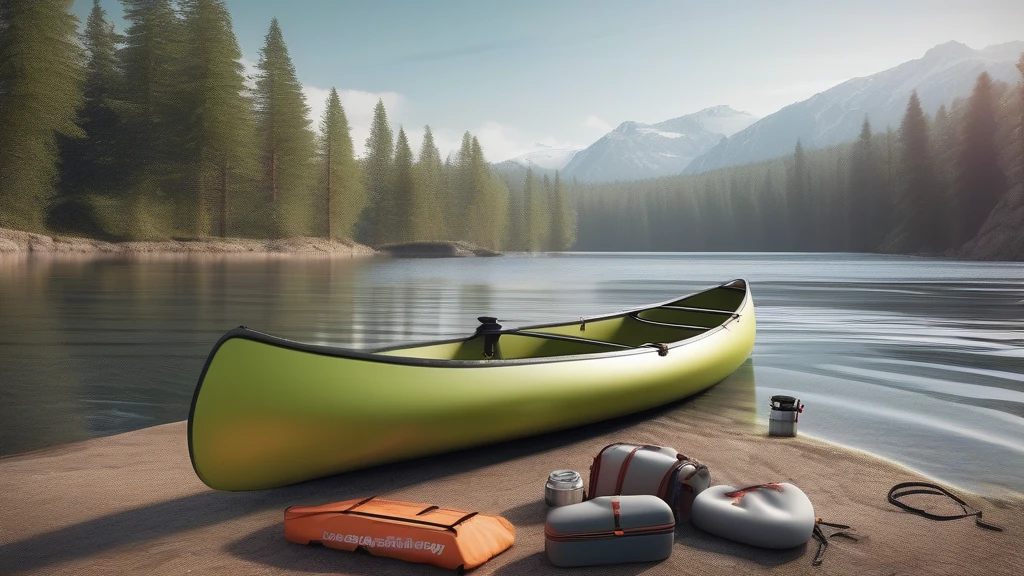
Canoe storage bags, commonly known as drybags, are essential accessories for anyone venturing out on the water. Whether you’re a casual paddler, an avid water sports enthusiast, or part of a professional rescue team, selecting the right canoe storage bag can make a significant difference in protecting your gear and enhancing your overall experience. This article breaks down the different types of canoe storage bags by use case, activity, skill level, and user needs, helping you make an informed choice tailored to your specific boating and water sports adventures.
Understanding Canoe Storage Bags: Key Features and Materials
Before diving into use cases, it’s important to understand what sets canoe storage bags apart in the boating and rafting category. These drybags are designed primarily to keep your belongings dry and secure amid wet and often rough environments.
Typical features include:
- Waterproof Construction: Made from materials such as abrasion-resistant polypropylene, UV-resistant nylon, polyester, or braided polyethylene, ensuring protection against water intrusion and harsh sunlight.
- Durability: Marine-grade materials that resist wear, tearing, and fading.
- Safety Features: Floating ropes or buoyant EVA foam handles for easy retrieval if dropped in water, reinforced loops for secure attachment, and quick-release mechanisms for emergency situations.
- Portability: Compact, foldable designs with ergonomic or anti-slip grips for comfortable carrying.
- Certifications & Ratings: Many carry ISO, CE, TÜV, or marine safety ratings, with tow ropes and drybag tensile strengths ranging from 1,000 to 2,500 lbs.
- Sustainability: Use of eco-friendly and recyclable materials with low carbon footprint manufacturing processes.
- Extras: Often include tow ropes, carabiners, storage pouches, and detailed manuals.
Use Case 1: Recreational Boaters and Casual Canoeists
What You Need
If you’re an occasional paddler or enjoy leisurely canoe trips on calm lakes or rivers, your priorities are lightweight, easy-to-use storage solutions that offer reliable waterproof protection without adding bulk.
Recommended Features
- Material: Lightweight nylon or polyester with UV resistance to prevent sun damage during extended daylight use.
- Size & Portability: Compact, foldable drybags that can be stowed easily when not in use.
- Handles: Ergonomic grips or floating EVA foam handles for quick retrieval if dropped.
- Closure: Roll-top sealing that’s simple yet effective for keeping water out.
Practical Example
A 10-15L drybag made from abrasion-resistant polyester with a buoyant handle is ideal for storing essentials like phones, wallets, snacks, and first-aid kits during a day trip. Its durable construction withstands occasional bumps against rocks or logs, while the UV resistance preserves the bag’s integrity over time.
Use Case 2: Water Sports Enthusiasts (Wakeboarding, Water Skiing, Towable Tubing)
What You Need
For wakeboarders, water skiers, and towable tube riders, gear is often exposed to splashes and spray, sometimes even submersion. Storage bags for these activities need to combine durability, security, and ease of transport.
Recommended Features
- Materials: Marine-grade polypropylene or braided polyethylene for maximum abrasion and water resistance.
- Safety: High tensile strength tow ropes (1,500–2,500 lbs) and quick-release safety clips are essential to prevent accidents.
- Visibility: Bright colors or reflective elements to locate gear quickly on the water.
- Security: Reinforced loops and reliable sealing to avoid accidental openings.
- Additional Accessories: Carabiners and storage pouches included for organizing smaller items.
Practical Example
A 20-30L drybag constructed with UV-resistant polypropylene featuring a quick-release buckle and a heavy-duty tow rope is perfect for storing wetsuits, gloves, or water shoes. The floating rope and reinforced loops ensure that the bag remains secure even during high-impact activities, while the bright color scheme enhances visibility on the water.
Use Case 3: Professional Rescue Teams and Emergency Responders
What You Need
Rescue personnel require specialized canoe storage bags that prioritize safety, durability, and immediate accessibility in high-pressure situations.
Recommended Features
- Materials: Tough, abrasion-resistant polyester or nylon with marine safety certifications (ISO, CE, TÜV).
- Safety Features: High-visibility colors (often fluorescent), quick-release mechanisms for rapid deployment, and buoyant handles to prevent loss.
- Strength: Tow ropes and tensile strength ratings toward the upper end (2,000+ lbs) for towing or anchoring rescue equipment.
- Ergonomics: Anti-slip grips for secure handling even with gloves or wet hands.
- Extras: Detailed instruction manuals and waterproof compartments for radios, medical kits, or rescue tools.
Practical Example
A 30L storage bag built from UV-resistant nylon with TÜV safety certification, featuring a 2,500 lbs rated tow rope, quick-release safety buckles, and buoyant EVA foam handles, meets the demanding needs of rescue operations. Its design ensures gear remains dry and accessible while supporting rapid response in emergencies.
Use Case 4: General Boating and Docking Needs
What You Need
For general boating or docking, canoe storage bags serve multiple functions from storing personal items to acting as docking aids or anchor bags.
Recommended Features
- Multi-functionality: Some drybags double as floating anchor bags when filled with water or sand.
- Material: Durable polyester or polypropylene with high UV resistance.
- Handles and Loops: Reinforced loops for securing to docks or boat cleats.
- Portability: Foldable, lightweight design for easy storage on board.
- Safety: Floating handles and high-visibility colors.
Practical Example
A 15L drybag that transforms into a floating anchor bag when filled, made of abrasion-resistant polypropylene with reinforced loops for secure attachment, is a versatile choice. It keeps valuables dry while doubling as practical boating equipment.
Additional Considerations When Choosing Your Canoe Storage Bag
Material Comparison
- Polypropylene: Highly abrasion-resistant and UV stable; excellent for rugged water sports.
- Nylon: Lightweight and flexible with good UV resistance; suitable for casual paddling and rescue.
- Polyester: Balanced durability and UV protection; often used in eco-friendly options.
- Braided Polyethylene: Superior strength and resistance; favored in professional-grade bags.
Environmental Impact
Many manufacturers now focus on eco-conscious production using recyclable materials and minimal waste processes. Choosing these sustainable options supports marine conservation while ensuring long-lasting performance.
Maintenance Tips
- Rinse your drybag with fresh water after exposure to salt or dirt.
- Avoid prolonged sun exposure to preserve material integrity.
- Store in a cool, dry place folded loosely to prevent creases.
- Inspect seams and closures regularly for wear.
Conclusion
Selecting the right canoe storage bag hinges on understanding your specific boating or water sports needs. Whether you’re a casual paddler seeking lightweight waterproof storage, a wakeboarder needing rugged gear protection, a rescue professional requiring certified safety features, or a general boater wanting versatile accessories, there is a drybag tailored to your situation.
By focusing on materials, safety features, size, and certifications, and considering environmental responsibility, you can find a canoe storage bag that not only protects your gear but also enhances your water-based adventures with reliability and peace of mind.