
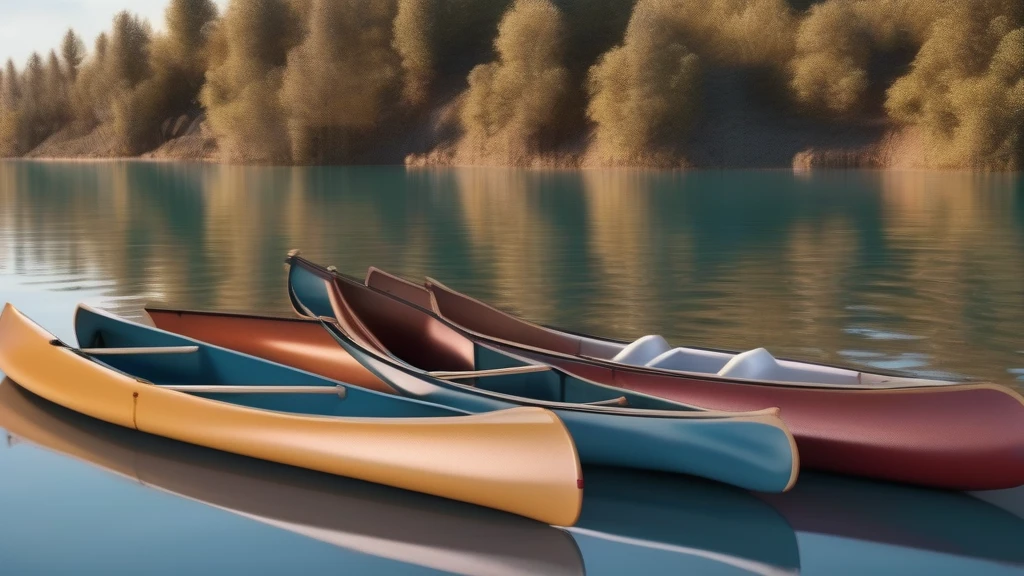
Choosing the perfect canoe can be an exciting yet daunting task, especially with the variety of designs, materials, and features available in today’s market. Whether you're a beginner looking for a stable craft to explore calm lakes, a fishing enthusiast seeking specialized gear storage, or a wilderness camper planning extended expeditions, understanding how different canoes match specific use cases is essential. This guide breaks down the types of canoes and their characteristics to help you make an informed choice tailored to your activity, skill level, and needs.
Understanding Canoe Types and Materials
Before diving into specific use cases, it’s important to grasp the two main categories of canoes and the materials they are made from:
Traditional Hard-Shell Canoes
These are crafted from materials like fiberglass, Royalex, marine-grade polyethylene, Kevlar composites, and aluminum. They often feature classic designs with wood accents such as cedar strips and cane seats, blending aesthetics with performance.
- Fiberglass and Kevlar: Lightweight and durable, offering good speed and agility. Kevlar is especially strong and ideal for those valuing performance and portability.
- Royalex and Polyethylene: Known for impact resistance and ruggedness, making them great for beginners and rougher water conditions.
- Aluminum: Extremely durable and low maintenance but heavier, suited for those prioritizing toughness over portability.
Inflatable Canoes
Constructed from PVC, Hypalon, or reinforced vinyl, inflatable canoes prioritize portability and ease of storage. They come with features like high-pressure pumps and repair kits, making them convenient for spontaneous outings or trips with limited storage space.
Matching Canoes to Use Cases
1. Beginners and Leisure Paddlers
Ideal Canoe Types: Wide, flat-bottom or shallow arch hulls made from polyethylene or Royalex.
- Why? Stability is paramount for beginners. Flat or shallow arch hulls offer excellent steadiness on calm lakes, ponds, and gentle rivers, helping new paddlers feel secure.
- Features to Look For: Padded or webbed seats for comfort, carry yokes for easy transport, and durable materials that tolerate occasional bumps.
- Example Scenario: A family looking for a safe, easy-to-maneuver canoe for weekend trips on local lakes will appreciate a polyethylene canoe with comfortable seating and simple gear tie-down points.
2. Fishing Enthusiasts
Ideal Canoe Types: Stable hull designs such as flat or wide V-bottoms constructed from Royalex, polyethylene, or fiberglass.
- Why? Stability and ample storage are critical when fishing. These hull shapes provide a steady platform for casting and reeling, while durable materials withstand contact with fishing gear.
- Features to Look For: Multiple gear tie-down points, built-in rod holders (if available), dry storage compartments, and comfortable, adjustable seats.
- Example Scenario: An angler who wants to fish on slow-moving rivers or bays benefits from a canoe with integrated storage hatches and a hull design that minimizes rocking during casting.
3. Families and Recreational Outings
Ideal Canoe Types: Larger, stable models with flat or shallow arch bottoms, often built with polyethylene or fiberglass.
- Why? Family trips require canoes that balance stability with comfort and capacity. Larger canoes accommodate multiple passengers and gear safely.
- Features to Look For: Multiple padded seats or cane seats, spacious interiors, safety certifications such as ISO or CE, and easy entry/exit designs.
- Example Scenario: A group planning a day on a calm lake will benefit from a canoe with removable portage wheels for transport, multiple tie-down points for picnic gear, and durable construction to handle casual use.
4. Wilderness Campers and Expedition Paddlers
Ideal Canoe Types: Lightweight Kevlar or fiberglass canoes with V-bottom or asymmetrical hulls.
- Why? These users prioritize speed, maneuverability, and weight for long trips. Kevlar composites offer superior strength-to-weight ratios, helping reduce fatigue during portages.
- Features to Look For: Dry storage hatches for gear protection, wood gunwales for durability and traditional style, carry yokes or shoulder harnesses, and long-lasting hull warranties.
- Example Scenario: An experienced paddler embarking on multi-day river expeditions will benefit from a canoe that glides efficiently, withstands rugged conditions, and carries necessary camping gear securely.
5. Portability-Focused Users
Ideal Canoe Types: Inflatable canoes made from PVC, Hypalon, or reinforced vinyl.
- Why? Inflatable canoes are lightweight, compact, and easy to store, making them ideal for users with limited vehicle space or those who want quick setup.
- Features to Look For: High-pressure pumps for rapid inflation, repair kits for safety, multiple air chambers for redundancy, and straps or carry bags for transport.
- Example Scenario: Urban dwellers with small cars who want to explore nearby calm bays can benefit from an inflatable canoe that rolls up compactly and inflates in minutes.
Key Features to Consider Across All Use Cases
- Hull Shape: Stability vs. speed trade-offs. Flat bottom hulls maximize stability, ideal for beginners and fishing. V-bottoms and asymmetrical hulls enhance tracking and speed, preferred for expeditions.
- Material Durability: Toughness matters if you expect rocks, logs, or rough handling. Polyethylene and Royalex offer resilience, while Kevlar and fiberglass balance durability with lightness.
- Comfort: Padded, webbed, or cane seats reduce fatigue during long paddles. Adjustable seating can add flexibility for different users.
- Storage and Gear Management: Dry hatches, tie-down points, and built-in compartments help keep gear organized and protected.
- Portability: Carry yokes, removable wheels, shoulder straps, and inflatable designs improve ease of transport and storage.
- Safety and Certifications: Look for ISO, TÜV, or CE certifications that ensure quality and safety standards are met.
- Eco-Friendly Materials: Some canoes incorporate sustainable or recyclable materials, appealing to environmentally conscious users.
Practical Tips for Choosing Your Canoe
- Assess Your Primary Activity: Are you fishing, touring, camping, or paddling casually? Let this guide your choice of hull shape and material.
- Consider Your Skill Level: Beginners should prioritize stability and ease of use, while experienced paddlers may want performance-oriented designs.
- Think About Transport and Storage: Do you have space for a traditional hard-shell canoe, or would an inflatable better suit your lifestyle?
- Check for Comfort Features: If you plan long trips, prioritize seats and paddling ergonomics.
- Factor in Maintenance: Materials like aluminum and polyethylene require less upkeep, while wood-accented canoes may need more care.
- Review Warranty Coverage: Longer hull warranties indicate manufacturer confidence and product durability.
Conclusion
Selecting the right canoe involves balancing your intended use, skill level, and practical considerations like transport and maintenance. By understanding how different hull shapes, materials, and features serve various activities—from stable beginner paddling to rugged wilderness expeditions—you can confidently choose a canoe that enhances your water adventures. Whether it’s a traditional fiberglass craft with classic wooden details, a tough Royalex model for family fun, or a compact inflatable for spontaneous outings, the perfect canoe awaits to meet your unique needs on the water.