
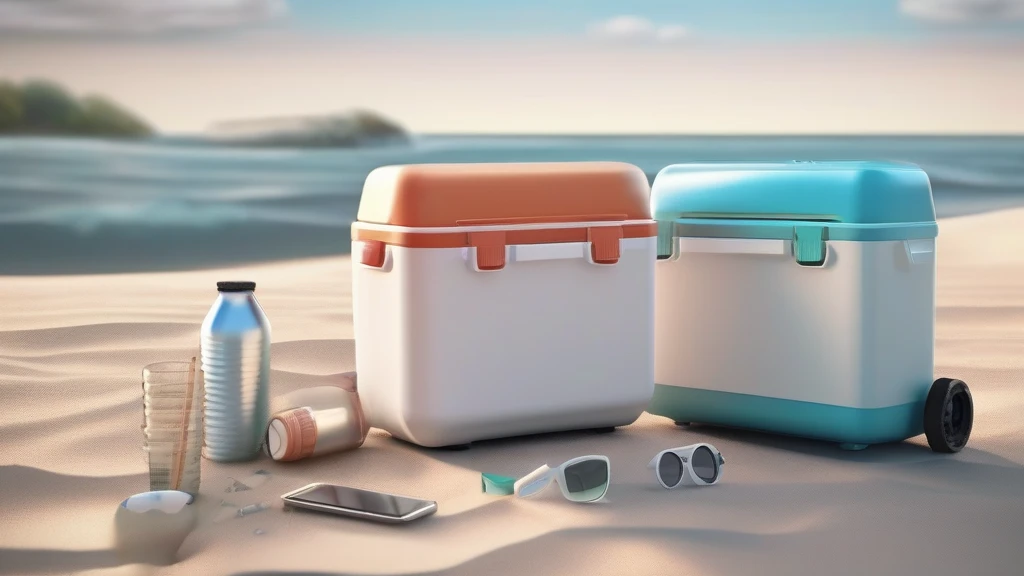
Choosing the right cooler can make or break your outdoor experience—whether you’re heading out on a weekend camping trip, organizing a family picnic, or enjoying a day at the beach. With an array of options spanning hard-shell rotomolded coolers, soft-sided fabric coolers, electric coolers, backpacks, wheeled units, and collapsible designs, selecting the best portable cooling solution tailored to your specific needs can be challenging.
This article breaks down cooler types by use case, activity, and user preferences. We’ll explore key product characteristics such as materials, insulation technologies, portability features, and maintenance tips to help you make an informed choice that aligns perfectly with your lifestyle and outdoor adventures.
Understanding Cooler Types and Their Core Features
Before diving into use cases, it’s important to understand the fundamental differences between cooler types and their characteristic features:
| Cooler Type | Materials & Construction | Insulation Technology | Portability Features | Typical Capacity & Use |
|---|---|---|---|---|
| Hard-Shell Rotomolded | Rotomolded plastic, stainless steel accents | Double-walled, vacuum-sealed, hybrid foam | Non-slip handles, lockable lids, sometimes wheels | Large capacity (40–75 quarts), multi-day trips, rugged conditions |
| Soft-Sided Fabric | High-density polyester nylon, EVA foam | Gel-based or hybrid insulation | Lightweight, backpack straps, collapsible | Compact to medium (12–24 cans), day trips, picnics, light hiking |
| Backpack Coolers | Durable nylon, EVA foam | Gel or hybrid insulation | Ergonomic backpack straps, lightweight | Small to medium, hands-free portability for active use |
| Wheeled Coolers | Rotomolded or fabric with reinforced frames | Double-walled or gel-based | Telescoping or foldable handles, rugged wheels | Medium to large, road trips, tailgating, beach outings |
| Collapsible Coolers | High-density nylon with waterproof liners | Gel-based insulation | Foldable design, lightweight | Small to medium, space-saving for infrequent use |
| Electric Coolers | Plastic shells with insulated interiors | Thermoelectric or compressor-based cooling | Plug-in, some with battery packs | Medium, multi-day cooling without ice, convenient for vehicles |
Match Your Cooler to Your Activity and Needs
1. Camping and Multi-Day Outdoor Adventures
Recommended Cooler Type: Hard-Shell Rotomolded Coolers or Large Wheeled Coolers
For extended outdoor stays, durability and long-lasting ice retention are paramount. Hard-shell rotomolded coolers excel here, constructed from impact-resistant rotomolded plastic with vacuum-sealed insulation that can keep ice frozen for up to 72 hours or more. Their lockable lids and rugged build protect contents from wildlife and harsh weather.
Key Features to Look For:
- High-capacity (50+ quarts) to store food and beverages for multiple days
- Leakproof liners and easy-drain systems for hassle-free cleanup
- Anti-stain coatings to maintain a fresh look despite heavy use
- Heavy-duty, ergonomic handles or wheels for transport over rough terrain
Example Use Case: A family camping trip requires a 65-quart rotomolded cooler with double-walled insulation and reinforced wheels to hold enough supplies and endure dirt, rocks, and sun exposure.
2. Beach Outings and Picnics
Recommended Cooler Type: Soft-Sided Fabric Coolers, Wheeled Coolers, or Collapsible Coolers
Beaches and picnics often call for lightweight, portable coolers that are easy to carry and store. Soft-sided coolers built with high-density polyester nylon and gel-based insulation provide a good balance of chill retention (12–24 hours) and lightness. Collapsible coolers are a great space-saving option for infrequent use.
If you prefer wheeled coolers, look for those with telescoping handles and sturdy wheels that glide easily over sand or picnic grounds.
Key Features to Look For:
- Lightweight, compact designs for easy carrying or stowage in car trunks
- Waterproof, leakproof liners to prevent sand or moisture damage
- Removable dividers to organize snacks and drinks efficiently
- Built-in bottle openers or cup holders for added convenience
Example Use Case: A beachgoer opts for a 24-can soft-sided cooler with padded backpack straps and an anti-stain coating to keep drinks cool during an afternoon in the sun.
3. Fishing Trips and Hiking Excursions
Recommended Cooler Type: Backpack Coolers or Small Soft-Sided Fabric Coolers
Hands-free portability is essential for fishing or hiking, making backpack coolers the ideal choice. These models feature reinforced nylon or EVA foam with gel or hybrid insulation to maintain temperature while allowing easy movement. Smaller soft-sided coolers can also work if you’re traveling short distances or using a boat.
Key Features to Look For:
- Ergonomic, adjustable backpack straps with padded backs for comfort during long treks
- Compact size (12-18 cans) to keep weight manageable
- Leakproof and waterproof liners to protect gear and catch
- Multiple compartments or pockets for organizing bait, tackle, or snacks
Example Use Case: An angler selects a 15-can backpack cooler with vacuum-sealed insulation and a foldable waterproof liner for a full day on the lake.
4. Tailgating and Backyard Parties
Recommended Cooler Type: Wheeled Coolers, Hard-Shell Rotomolded Coolers, or Electric Coolers
For social gatherings where convenience and capacity matter, wheeled coolers and large rotomolded units dominate. They offer ample space for beverages and ice, while features like lockable lids and cup holders add to the party atmosphere.
Electric coolers present a modern alternative, using compressor technology or thermoelectric systems to keep drinks cold for days without ice, ideal for tailgaters with access to power sources.
Key Features to Look For:
- Large capacities (40+ quarts) with removable dividers for beverage organization
- Durable construction with weatherproofing for outdoor use
- Built-in bottle openers, cup holders, and anti-slip feet for stability
- For electric coolers: portability with vehicle plug adapters or rechargeable batteries
Example Use Case: A tailgate host picks a 50-quart wheeled cooler with a telescoping handle and integrated bottle opener to keep drinks cold while easily moving between parking spots.
Tips for Maximizing Ice Retention and Cooler Organization
Regardless of cooler type, some practical strategies optimize cooling performance and usability:
- Pre-chill your cooler: Place ice or frozen gel packs inside the cooler a few hours before loading food to reduce initial temperature shock.
- Use block ice over cubed ice: Blocks melt slower, extending cooling duration.
- Keep the cooler out of direct sun: Shade reduces heat exposure and preserves ice longer.
- Minimize lid opening: Each time the cooler is opened, cold air escapes and warm air enters.
- Use removable dividers: Organize contents to avoid searching and unnecessary lid openings.
- Layer with dry ice carefully: For extended trips, dry ice can dramatically improve cool times but requires safety precautions.
Eco-Friendly Coolers: Aligning Your Purchase with Sustainability
Many modern coolers incorporate eco-conscious materials and manufacturing processes, such as BPA-free plastics, recyclable components, and water-based coatings. Brands using high-density polyester nylon and EVA foam often emphasize sustainability, choosing materials that reduce environmental impact without sacrificing performance.
When shopping, look for:
- Coolers labeled BPA-free and made from recyclable plastics
- Durable designs that extend product lifespan, reducing waste
- Brands that use water-based or low-VOC (volatile organic compound) coatings for insulation and exterior finishes
Investing in a sustainable cooler supports both your outdoor lifestyle and environmental stewardship.
Maintenance and Cleaning Best Practices
Proper care extends the life and performance of your cooler:
- Hard-shell coolers: Clean interiors and exteriors with mild soap and water. Avoid abrasive cleaners that can damage coatings. Use the easy-drain plug to empty melted ice water and rinse regularly.
- Soft-sided coolers: Spot clean with a damp cloth and mild detergent. For stubborn stains, use gentle scrubbing brushes. Air dry completely to prevent mold or mildew.
- Electric coolers: Follow manufacturer instructions for cleaning electronic components. Disconnect power sources before cleaning.
- Store coolers with lids slightly open to allow airflow and prevent odors.
- Regularly inspect seals and gaskets to maintain leakproof performance.
Conclusion: Choose the Cooler That Fits Your Lifestyle
Selecting the right cooler depends heavily on your activity type, duration, group size, and portability needs. Hard-shell rotomolded coolers suit rugged, extended trips; soft-sided fabric and backpack coolers excel in lightweight day outings; wheeled and electric coolers shine at social gatherings and road trips.
By understanding the materials, insulation technologies, and ergonomic features available, you can confidently pick a cooler that keeps your food and drinks perfectly chilled, enhances convenience, and complements your outdoor adventures—all while considering eco-friendly options and maintenance ease.
No matter your choice, a well-selected cooler is an investment in memorable, refreshing experiences under the sun.