
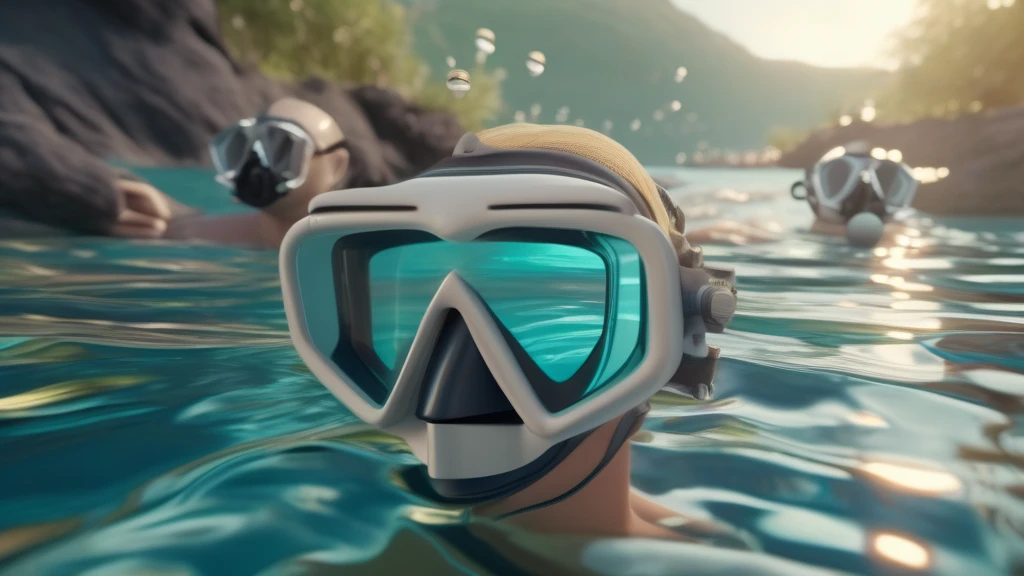
Exploring beneath the water’s surface opens a world of wonder — from vibrant coral reefs to mysterious shipwrecks. But to truly enjoy these underwater adventures, having the right diving or snorkeling mask is essential. With so many types of masks available, each designed for different activities, skill levels, and user needs, choosing the perfect one can be overwhelming.
This guide breaks down the key diving and snorkeling mask types and matches them to specific use cases, helping you understand what features matter most for your underwater pursuits. Whether you’re a beginner snorkeler, a freediving enthusiast, or an underwater photographer, knowing how to select the right mask will enhance your experience, comfort, and safety.
Understanding the Basics: What Makes a Good Diving & Snorkeling Mask?
Before diving into use cases, it’s important to understand the common characteristics that define quality masks in this category:
-
Skirts and Straps: Most masks feature eco-friendly, hypoallergenic silicone skirts and adjustable straps. Silicone ensures a soft, comfortable, and leak-resistant seal against your face. Adjustable or quick-release buckles allow personalized fitting and easy removal.
-
Lens Material: Tempered glass lenses are standard for durability and safety. Many masks incorporate coatings such as anti-fog treatments to maintain clarity, hydrophobic layers to repel water, polarized or mirrored finishes to reduce glare, and UV protection to shield your eyes.
-
Design and Volume: Masks vary from single-lens to dual-lens designs, frameless to flexible framed, and low to medium internal volume. Lower volume masks reduce buoyancy and make equalizing pressure easier, favored by freedivers. Frameless masks often offer a wider field of view and greater flexibility.
-
Visibility Range: Wide or panoramic lenses expand your underwater vision, which is especially useful for underwater photographers and snorkelers exploring open waters.
-
Portability: Some masks fold compactly or come with storage cases, making them convenient for travel.
-
Safety Certifications: Look for masks certified by ISO, CE, or TÜV, which ensure adherence to safety and quality standards.
Use Case Breakdown: Matching Masks to Activities and Skill Levels
1. Recreational Snorkeling — Comfort and Ease of Use
For beginners and casual snorkelers, comfort and simplicity are paramount. Recreational masks typically feature:
- Medium volume for easy breathing and comfortable fit without complex equalization.
- Dual-lens designs with wide skirts for a broad, unobstructed view.
- Adjustable silicone straps with quick-release buckles for hassle-free adjustments.
- Anti-fog and UV-protective coatings to maintain clarity during long surface swims.
- Traditional masks rather than full-face snorkel masks, which are easier to clear if water enters.
Example: A recreational snorkeling mask with tempered glass lenses treated with anti-fog coating, a wide silicone skirt for secure seal, and adjustable quick-release buckles offers an excellent balance of comfort and performance. Portability features such as foldability and a travel case add value for vacationers.
2. Scuba Diving — Durability and Versatility
Scuba divers require masks that can withstand pressure and provide excellent visibility at depth:
- Medium to low internal volume to ease pressure equalization during descent.
- Framed or semi-framed designs for structural durability.
- Tempered glass lenses with anti-fog treatment for safety and clear vision.
- Adjustable silicone skirts with leak-proof seals.
- Wide field of view to maintain situational awareness underwater.
- Compatibility with other gear such as regulators and dive helmets.
Tip: Scuba divers should prioritize masks with ISO or CE safety certification to ensure reliability under pressure.
3. Freediving and Spearfishing — Performance and Streamlining
Freediving and spearfishing demand specialized masks optimized for breath-hold diving and minimal drag:
- Low internal volume to reduce buoyancy and facilitate easy equalization.
- Frameless or flexible framed designs that conform closely to the face, reducing water resistance.
- Single-lens masks are common, providing a wider field of view and less bulk.
- Hypoallergenic silicone skirts and straps that can be customized for a secure, leak-free fit.
- Polarized or mirrored lenses to reduce glare when hunting or exploring in bright conditions.
Example: A freediving mask with a low-volume, frameless silicone skirt and tempered glass lens treated with hydrophobic coating enhances both comfort and visibility while minimizing drag.
4. Underwater Photography — Wide Field of View and Distortion-Free Vision
Capturing stunning underwater images requires masks designed to maximize visibility and reduce optical distortion:
- Panoramic or wide-angle lenses that provide an expansive field of view.
- Single or dual-lens designs with high optical clarity.
- Tempered glass lenses with anti-fog and hydrophobic coatings to ensure a clear lens despite changing conditions.
- Comfortable silicone skirts with adjustable straps for long shooting sessions.
- Flexible framed or frameless masks that minimize visual obstruction on the edges.
Tip: Some masks include compatibility with prescription lenses or inserts, aiding photographers who need vision correction.
5. Full-Face Snorkel Masks — Convenience vs. Traditional Masks
Full-face snorkel masks cover the entire face, combining mask and snorkel in one piece:
- Pros: They offer natural breathing through nose and mouth, anti-leak dry-top snorkels, and panoramic views.
- Cons: Bulkier design, more challenging to clear if flooded, and generally higher internal volume which is not suitable for diving.
Full-face masks are best suited for recreational surface snorkeling in calm waters, especially for children or casual users prioritizing comfort over performance.
Additional Considerations When Choosing a Diving or Snorkeling Mask
Face Shape and Fit
A mask’s seal depends heavily on how well its skirt fits your face shape. Wider or rounder faces may require masks with larger skirts or more flexible silicone. Narrow faces benefit from slimmer skirts and adjustable straps. Trying masks on before purchase or choosing brands offering multiple skirt sizes can prevent leaks and discomfort.
Maintenance Tips for Longevity and Clarity
- Prevent fogging: Use anti-fog treatments or natural remedies like diluted baby shampoo before each dive.
- Rinse with fresh water immediately after use to remove salt, sand, and chlorine.
- Store in a protective case away from sunlight and extreme temperatures to avoid silicone degradation.
- Avoid touching the inner lens surface with fingers to prevent oil smudges that encourage fogging.
Environmental Impact and Sustainability
Many manufacturers now use eco-friendly, hypoallergenic silicone and sustainable production methods to reduce environmental footprints. Choosing masks from companies committed to sustainability supports ocean conservation efforts.
Safety Certifications Explained
- ISO Certification: Indicates compliance with international standards for safety and quality.
- CE Marking: Confirms conformity with European health, safety, and environmental protection standards.
- TÜV Certification: Independent testing for product safety and performance.
Opting for certified masks ensures they meet rigorous standards for underwater use.
Conclusion: Matching Your Mask to Your Underwater Adventure
Choosing the right diving or snorkeling mask hinges on understanding your activity, skill level, and personal preferences:
| Activity | Recommended Mask Features | Key Benefits |
|---|---|---|
| Recreational Snorkeling | Medium volume, dual-lens, anti-fog, adjustable straps | Comfort, easy use, wide view |
| Scuba Diving | Medium/low volume, framed, safety certified, wide view | Durability, ease of equalization |
| Freediving/Spearfishing | Low volume, frameless, single-lens, polarized lenses | Streamlined fit, minimal drag |
| Underwater Photography | Wide/panoramic lenses, anti-fog, flexible skirt | Distortion-free vision, clarity |
| Full-Face Snorkeling | Full-face design, dry-top snorkel, panoramic view | Natural breathing, wide field, surface use only |
By focusing on specific product characteristics—such as silicone skirt quality, lens coatings, frame design, and volume—you can select a mask that enhances your underwater experience while ensuring comfort and safety.
Remember, the best mask is one that fits well, suits your activity, and provides clear, reliable vision beneath the waves. Take time to research, try different designs, and maintain your gear properly to enjoy years of memorable aquatic adventures.