
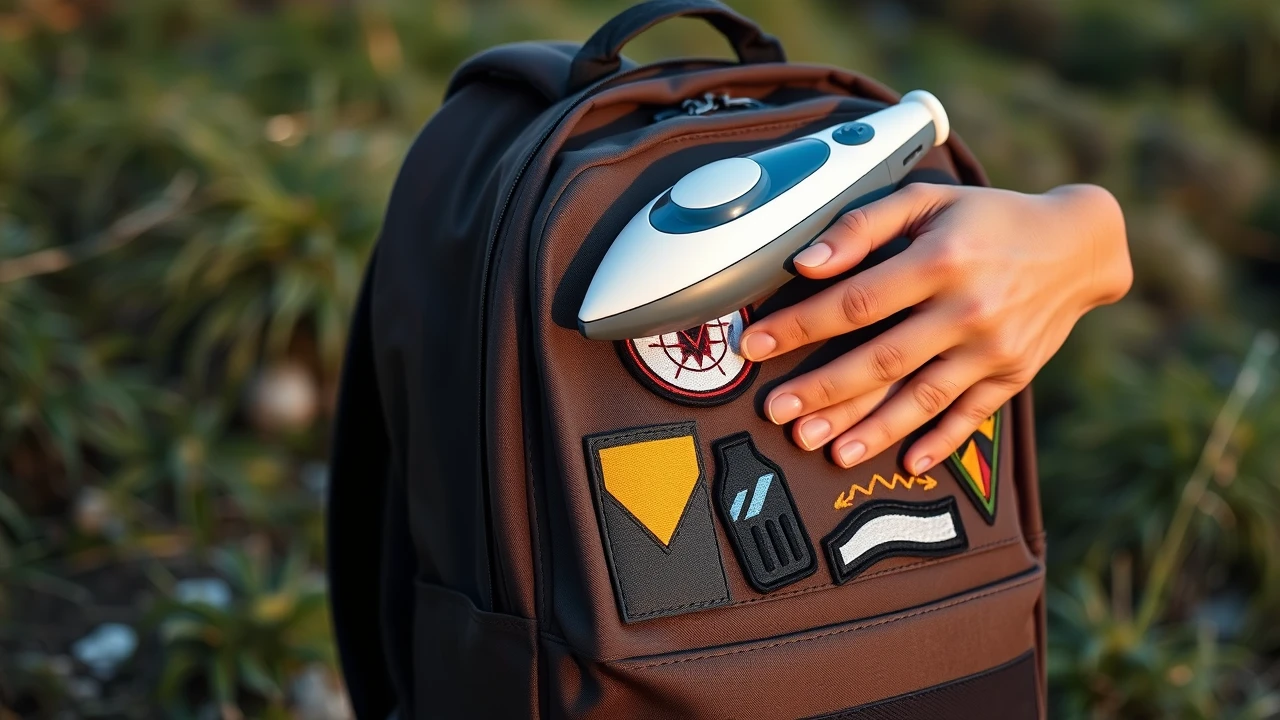
Fabric patches have become a versatile and popular way to personalize apparel, gear, and accessories. Whether you’re an outdoor enthusiast, a parent helping kids express their creativity, or a traveler wanting to add unique flair to your backpack, the right fabric patch can combine style, function, and durability. However, with a wide array of patch types, materials, and application methods available, choosing the perfect patch for your needs can feel overwhelming.
In this guide, we’ll break down the types of fabric patches by use case, activity, skill level, and user needs. You’ll learn how to select patches based on their materials, durability features, and application methods, helping you make informed decisions that suit your lifestyle and creative goals.
Understanding Fabric Patch Types and Application Methods
Before diving into specific use cases, it’s important to understand the core categories of fabric patches and how they adhere to surfaces.
Iron-On Patches
Iron-on patches come with a heat-activated adhesive backing. They are ideal for quick, no-sew customization on cotton or polyester fabrics. With clear, concise application instructions, they are perfect for beginners or anyone seeking a fast, durable bond. These patches often feature embroidered textiles or vinyl materials with UV and fade-proof coatings, making them suitable for apparel and backpacks used outdoors.
Sew-On Patches
Sew-on patches require stitching and are favored for maximum durability and versatility. They work well on a wide range of materials including denim, canvas, and leather. Sew-on patches are ideal for users with basic sewing skills or those wanting a more permanent, washable solution. Materials like PVC or rubber-backed patches are common in this category, especially for outdoor gear that must withstand harsh conditions.
Peel-and-Stick Patches
Peel-and-stick patches utilize a pressure-sensitive adhesive, offering an easy, temporary customization option. They are great for users who want to switch patches frequently or apply them to sensitive fabrics that may be damaged by heat or stitching. These patches typically use hypoallergenic, non-toxic adhesives and often come with waterproof coatings for short-term outdoor use.
Velcro Patches
Velcro-backed patches provide modularity and portability, allowing users to attach and remove patches quickly. Common among outdoor enthusiasts, military-style gear users, and collectors, these patches often employ durable polyester or rubber materials with UV resistance. Velcro patches are perfect for travelers or athletes who need to customize gear on the go without permanent alteration.
Use Case Breakdown: Matching Fabric Patches to Your Needs
1. Outdoor Enthusiasts and Adventure Seekers
Recommended Patch Types: Sew-on, Velcro, and Iron-on patches with waterproof and UV-resistant features.
Materials: PVC, rubber, embroidered polyester with fade-proof finishes.
Why: Outdoor gear such as hiking backpacks, jackets, and surfboards require patches that withstand sun exposure, rain, and abrasion. Sew-on patches offer long-term durability, while Velcro patches enable quick customization for different trips. Iron-on patches with waterproof coatings provide a balance of ease and resilience.
Example: A reflective, glow-in-the-dark Velcro patch on a hiking backpack increases visibility during low-light conditions, enhancing safety without permanent alteration.
2. Kids and Creative Beginners
Recommended Patch Types: Iron-on and Peel-and-stick patches with hypoallergenic adhesives.
Materials: Soft embroidered textiles and eco-friendly polyester blends.
Why: Children benefit from easy-to-apply patches that don’t require sewing skills and are safe for sensitive skin. Peel-and-stick patches allow for creative experimentation without commitment, while iron-on patches create more lasting personalization on school bags, jackets, or hats.
Example: A set of colorful, tropical-themed iron-on patches with non-toxic adhesives lets kids decorate their belongings while parents appreciate the sustainable manufacturing process.
3. Travelers and Nomads
Recommended Patch Types: Velcro and Peel-and-stick patches with compact, travel-friendly packaging.
Materials: Lightweight polyester and vinyl, with scratch resistance and fade-proof finishes.
Why: Travelers need patches that are easy to apply and remove, enabling frequent customization of luggage, backpacks, or travel jackets. Reflective patches add an extra layer of safety when navigating unfamiliar environments during nighttime.
Example: A glow-in-the-dark peel-and-stick patch that can be removed and reapplied to different travel gear offers flexibility and enhances visibility in dimly lit airports or campsites.
4. Collectors and Fashion Enthusiasts
Recommended Patch Types: Sew-on and Iron-on patches featuring vintage, holographic, or inspirational designs.
Materials: Embroidered textiles with UV resistance and fade-proof finishes, sometimes incorporating metallic threads or specialized vinyl.
Why: Collectors value high-quality, durable patches that maintain their aesthetic appeal over time. Sew-on patches provide longevity on jackets or bags, while iron-on options allow for quick styling changes. Sustainability and eco-friendliness also appeal to fashion-conscious buyers.
Example: A vintage-inspired embroidered patch with recyclable packaging provides both style and environmental responsibility to a collector’s curated jacket.
5. DIY Crafters and Hobbyists
Recommended Patch Types: Sew-on and Iron-on patches with diverse designs and eco-friendly materials.
Materials: Sustainable polyester blends, non-toxic adhesives, and recyclable packaging.
Why: Hobbyists appreciate patches that are easy to customize and integrate into creative projects, such as personalized surfboards, home décor, or custom apparel. Durable materials with UV and scratch resistance ensure their creations last.
Example: A set of tropical-themed iron-on patches allows crafters to personalize beach gear with waterproof finishes that hold up against sun and sand exposure.
Tips for Choosing the Right Fabric Patch
Consider Your Activity Level and Environment
Are you using the patch on gear exposed to sun, water, or rough terrain? Opt for patches with waterproof coatings, UV resistance, and scratch-proof finishes for outdoor applications.
Match Application Method to Skill Level
If you’re comfortable sewing, sew-on patches offer the most durability. For quick and easy application, iron-on or peel-and-stick patches are ideal. Velcro patches provide flexibility for frequent changes.
Think About Patch Materials and Comfort
For apparel, hypoallergenic embroidered textiles are best to prevent skin irritation. For bags and gear, PVC or rubber patches provide ruggedness and longevity.
Prioritize Sustainability
Look for patches made with eco-friendly fabrics, non-toxic adhesives, and recyclable packaging to reduce environmental impact.
Evaluate Design and Functionality
Reflective or glow-in-the-dark patches enhance safety, especially for nighttime outdoor use. Vintage or holographic designs elevate style for fashion-conscious users.
Maintaining and Caring for Fabric Patches
- Iron-on patches: Follow specific heat and time instructions carefully. Avoid excessive washing heat to maintain adhesive strength.
- Sew-on patches: Use durable thread and reinforce stitching periodically to prevent fraying.
- Peel-and-stick patches: Clean surfaces before application and avoid prolonged exposure to water.
- Velcro patches: Keep both sides free of debris for strong attachment and regularly check for wear.
Storing patches in their original packaging or a compact container can preserve adhesive quality and ease future use.
Conclusion
Choosing the right fabric patch depends largely on your intended use, activity level, and personal preferences. Whether you prioritize durability for outdoor adventures, ease of application for kids’ projects, or stylish versatility for fashion, understanding patch materials, application methods, and key features like waterproofing and UV resistance will help you find the perfect match.
By selecting patches tailored to your needs, you can confidently personalize your belongings with creative flair, sustainability, and functionality — ensuring your patches look great and last through every journey and creative endeavor.