
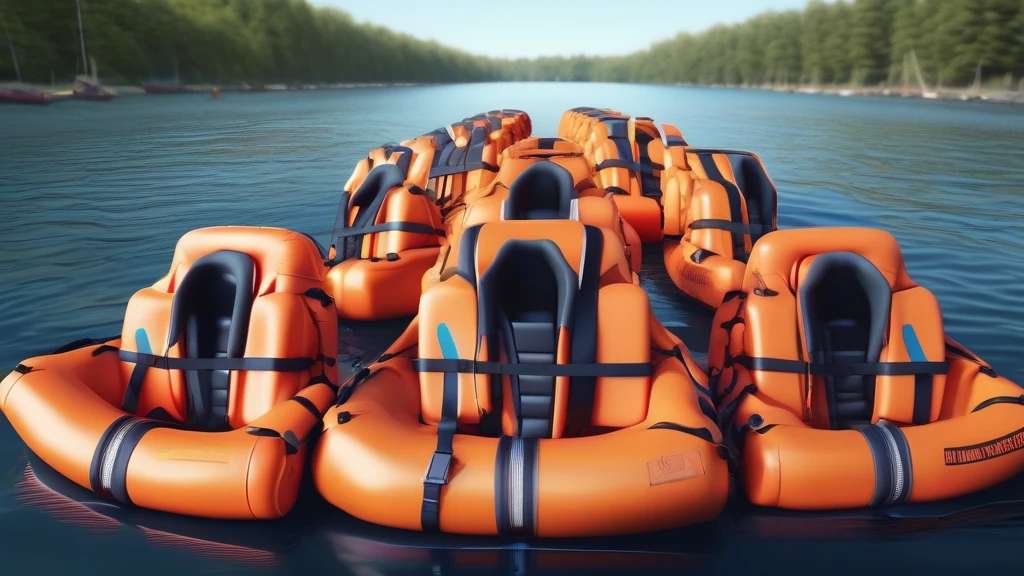
When it comes to water safety, choosing the right life jacket is essential. With a variety of types, materials, and features available, selecting the appropriate personal flotation device (PFD) can feel overwhelming. This guide breaks down life jackets by use case, activity, skill level, and user needs — helping you make an informed decision that prioritizes safety, comfort, and performance on the water.
Understanding Life Jacket Types: Matching Safety to Activity
The U.S. Coast Guard classifies life jackets into five main types, each designed for specific environments and use cases. Knowing these types and their characteristics is the first step to selecting the right PFD.
Type I: Offshore Life Jackets — Maximum Buoyancy for Open Water
- Use Case: Offshore boating, commercial mariners, emergency rescue operations
- Buoyancy: Typically 22 pounds or more, designed to turn an unconscious wearer face-up
- Material & Design: Durable, UV-resistant fabrics like ripstop nylon or marine-grade vinyl with closed-cell foam cores; often bulkier due to maximum flotation
- Features: High-visibility colors (orange, yellow), reflective tape, whistle attachments, emergency light mounts
- Why Choose Type I: Ideal for rough, open water conditions where rescue may be delayed and maximum flotation is critical
Type II: Near-Shore Vests — Moderate Buoyancy for Calm Waters
- Use Case: Recreational boating near shore, fishing, casual paddling
- Buoyancy: Approximately 15.5 pounds, designed to turn some unconscious wearers face-up
- Material & Design: Typically made with polyester shell and foam cores; less bulky than Type I for increased comfort
- Features: Adjustable buckles, reflective accents, whistles, and rescue handles for easy grabs
- Why Choose Type II: Suitable for calm water activities where help is likely nearby, balancing safety and wearability
Type III: Recreational Life Jackets — Comfort and Flexibility
- Use Case: Kayaking, paddleboarding, sailing, family water activities
- Buoyancy: Generally around 15.5 pounds; designed for conscious users who can float or swim
- Material & Design: Lightweight polyester or hybrid foam with ergonomic cuts for freedom of movement; often include soft, breathable materials
- Features: Quick-release buckles, adjustable straps, multiple sizes including youth and children, bright colors with reflective strips
- Why Choose Type III: Best for extended wear and active pursuits requiring mobility and comfort
Type IV: Throwable Devices — Emergency Use Only
- Use Case: Emergency rescue on boats, docks, or pools
- Buoyancy: Cushion or ring buoy forms that provide flotation for a person in the water but are not wearable
- Material & Design: Durable vinyl or plastic shells with closed-cell foam cores; brightly colored with reflective tape
- Features: Grab handles and attachment points for quick deployment
- Why Choose Type IV: Essential as a supplementary safety device, not a substitute for wearable life jackets
Type V: Specialized Life Jackets — Activity-Specific Solutions
- Use Case: Whitewater rafting, water skiing, windsurfing, commercial fishing, or other specialized water sports
- Buoyancy: Varies by design and intended use; often includes inflatable bladder technology
- Material & Design: Advanced materials like hybrid foam and inflatable bladders encased in UV-resistant polyester or ripstop nylon
- Features: Quick-inflate mechanisms, ergonomic designs, reinforced panels, emergency whistles, and rescue handles
- Why Choose Type V: Tailored to specific activities with enhanced features for safety and performance
Activity-Specific Life Jacket Recommendations
Different water sports and roles come with unique demands. Below, we explore how life jacket features align with popular boating and water activities.
Kayaking and Paddleboarding
- Preferred Type: Type III or Type V inflatable
- Key Features: Lightweight, ergonomic fit, adjustable straps for mobility, breathable materials to prevent overheating
- Materials: Polyester or ripstop nylon shells with closed-cell foam or inflatable bladders for compactness
- Additional Tips: Look for models with anti-slip designs and multiple adjustment points to accommodate layering and quick removal
Fishing and Recreational Boating
- Preferred Type: Type II or Type III, depending on proximity to shore
- Key Features: Moderate buoyancy, multiple pockets or attachment points for gear, high visibility colors for safety
- Materials: Durable marine-grade vinyl or polyester to withstand exposure to sun and water
- Additional Tips: Consider jackets with reinforced buckles and quick-release features for convenience
Sailing and Offshore Boating
- Preferred Type: Type I or Type V (inflatable with manual/automatic inflation)
- Key Features: Maximum flotation, ability to turn an unconscious wearer face-up, emergency light mounts, rescue handles
- Materials: UV-resistant ripstop nylon or polyester with hybrid foam and inflatable bladder technology for enhanced buoyancy
- Additional Tips: Prioritize jackets with high-visibility colors and reflective strips for rescue readiness
Commercial Mariners and Rescue Personnel
- Preferred Type: Type I and specialized Type V
- Key Features: Extra durability, maximum buoyancy, ergonomic fit for long wear, emergency whistles, integrated harnesses
- Materials: Marine-grade, UV-resistant materials with hybrid foam cores and robust hardware
- Additional Tips: Look for products backed by extended warranties and certifications like ISO and TÜV for professional reliability
Family and Youth Users
- Preferred Type: Type III with youth sizing
- Key Features: Comfortable fit, moderate buoyancy, bright colors, reflective tape, adjustable straps
- Materials: Soft polyester shells with closed-cell foam cores, lightweight for ease of wear
- Additional Tips: Ensure life jackets are Coast Guard-approved for children’s safety and include safety whistles
Innovations in Life Jacket Materials and Sustainability
Modern life jackets increasingly incorporate eco-conscious materials and manufacturing techniques:
- Biodegradable Coatings: Reduce environmental impact by breaking down naturally without harmful residues
- Recyclable Foams: Use closed-cell or hybrid foam cores that can be recycled at end of life
- Low Carbon Footprint Manufacturing: Processes that minimize energy consumption and waste
- Durable UV-Resistant Fabrics: Ripstop nylon and marine-grade polyester extend product longevity, reducing replacement frequency
These advances not only contribute to environmental stewardship but also enhance durability and user comfort.
Essential Safety Features to Look For
Choosing a life jacket means assessing safety beyond buoyancy ratings:
- Adjustable and Reinforced Buckles: Ensure secure fit and easy removal in emergencies
- Quick-Release Mechanisms: Vital for rapid removal or donning under stress
- High-Visibility Colors and Reflective Tape: Boost visibility for rescuers in low light or rough conditions
- Whistles and Rescue Handles: Aid in signaling and quick retrieval
- Emergency Light Mounts: Allow attachment of waterproof lights for night-time rescue
Proper Fit and Maintenance Tips
A life jacket’s effectiveness depends on fit and upkeep:
- Fit Guidelines: The jacket should be snug but not restrictive; test by lifting at the shoulders—if it slips over the chin or ears, it’s too loose
- Regular Inspection: Check buckles, straps, seams, and flotation material for wear or damage
- Cleaning: Rinse with fresh water after use, especially in saltwater; avoid harsh detergents
- Storage: Keep in a cool, dry place away from direct sunlight to prevent material degradation
Regulatory Certifications and Their Importance
Look for life jackets certified by recognized authorities:
- US Coast Guard Approval: Ensures compliance with U.S. safety standards
- ISO (International Organization for Standardization): Indicates global safety and quality benchmarks
- CE Mark (Conformité Européenne): Required for European markets, certifying conformity with health, safety, and environmental protection standards
- TÜV Certification: German testing body verifying safety and reliability
Certifications guarantee that a life jacket meets rigorous performance criteria, offering peace of mind on the water.
Inflatable Life Jackets: Advantages and Considerations
Inflatable PFDs (often Type V) feature compact designs with inflatable bladders activated manually or automatically:
- Advantages: Lightweight, less bulky, greater freedom of movement, excellent for experienced swimmers
- Considerations: Require regular maintenance and inspection; must be worn snugly to ensure proper inflation; not recommended for non-swimmers or children
- Use Cases: Popular for sailing, kayaking, and offshore fishing where mobility and comfort are priorities
Emergency Preparedness: Throwable Devices as a Backup
In addition to wearable life jackets, throwable flotation devices (Type IV) are critical safety components:
- Types: Ring buoys and cushion-style throwables made from durable, brightly colored materials with reflective elements
- Placement: Should be easily accessible on boats, docks, or pools
- Function: Provide immediate flotation support to a person in the water until rescue or flotation with a wearable PFD can be achieved
Conclusion
Selecting the right life jacket depends on understanding your specific water activity, environment, and safety requirements. By considering life jacket types, materials, features, and certifications, you can find a PFD that offers optimal safety and comfort. Whether you’re paddling down a calm river, fishing offshore, or working in commercial maritime settings, the right life jacket is your essential companion for peace of mind on the water. Prioritize fit, maintenance, and emergency preparedness to make the most of your life jacket and ensure a safe aquatic experience.